Peat, peatlands, and bogs: What they are and why they matter
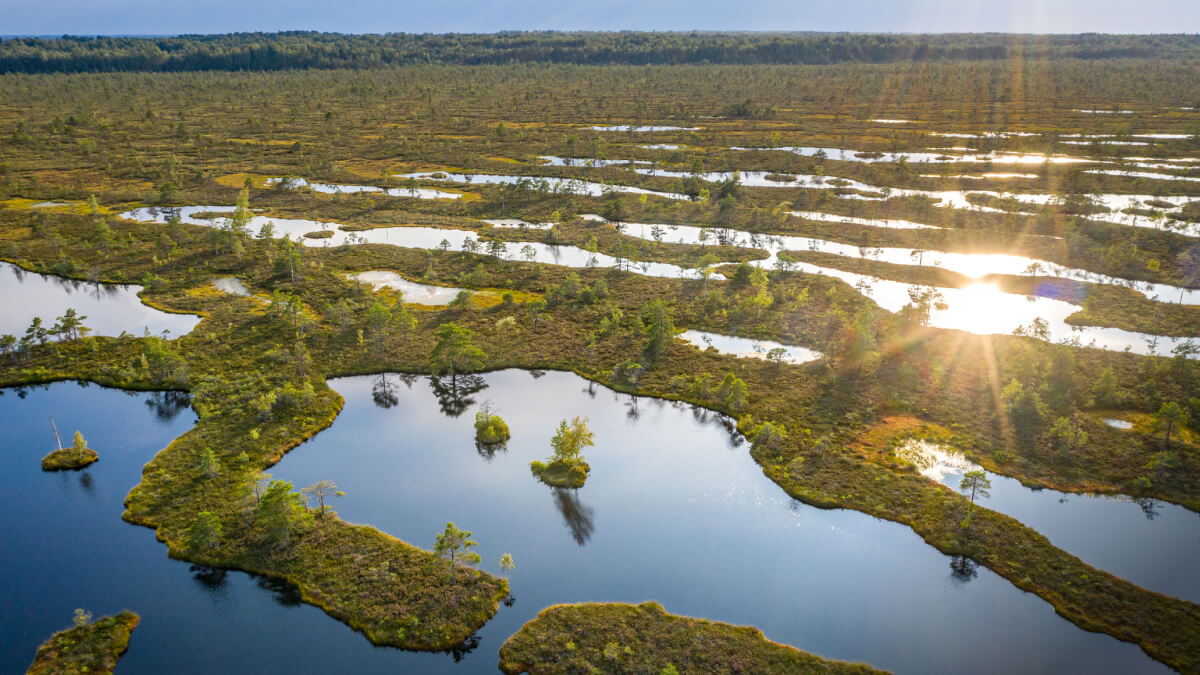
Peatlands, which include all bogs, fens, and other kinds of wetlands, are some of the world’s most misunderstood ecosystems — yet they store more carbon than all the world’s forests combined. Often dismissed as muddy wastelands, peatlands are actually home to incredible species and unique wildlife, and losing them entirely could have all kinds of consequences for the planet.
But what exactly are peatlands, and why do they have such a bad reputation? This article explains what peat is, what’s so special about it, and why protecting peatlands matters so much for biodiversity, climate change, and sustainable land use.
What is peat?
Peat is a type of soil made from partially decomposed plant material that builds up in waterlogged areas over thousands of years. It forms in places where water doesn’t flow or drain, which leaves the land permanently flooded. Because of this constant flooding, oxygen can’t reach plants after they die, which dramatically slows their decomposition. Without oxygen, the microbes that would normally break plant material down are unable to do their job.
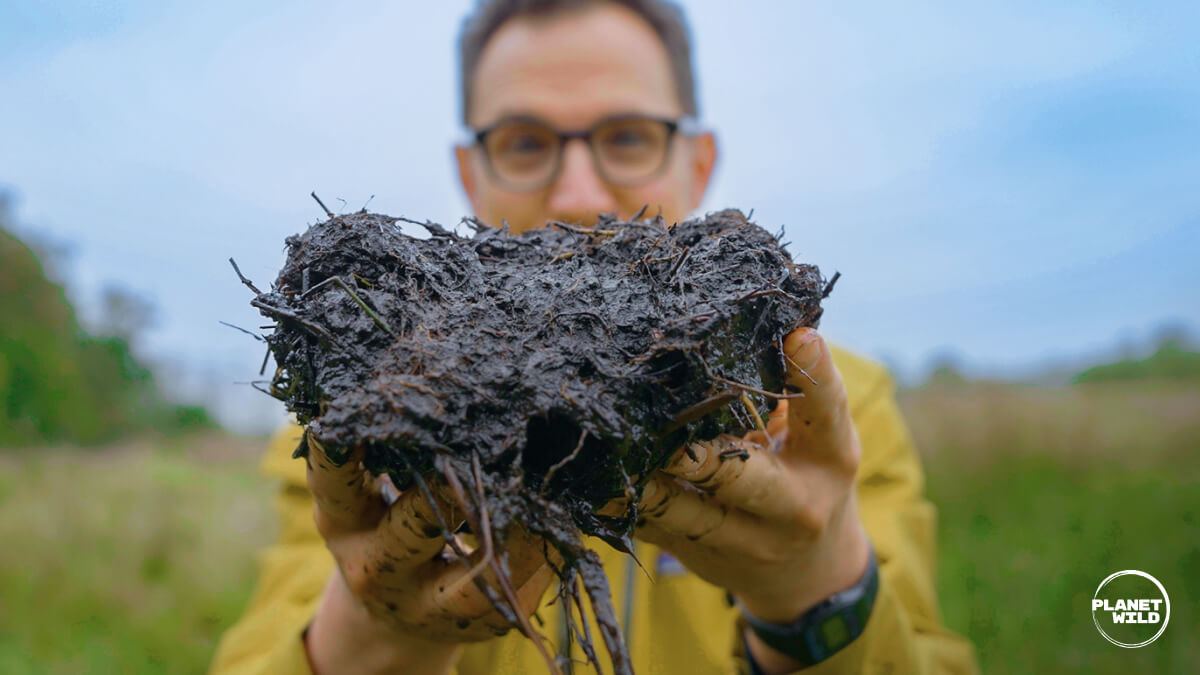
As a result, layer upon layer of dead, undecomposing plant matter begins to accumulate in the wet ground, and over time, they create the deep peat soils that define peatlands. This process takes hundreds of years, with the peat growing just one centimeter per decade — that’s one meter every thousand years.
What are peatlands?
Peatlands, as the name suggests, are the ecosystems that form around the peat. They are defined by their permanent waterlogging and are dynamic living systems. Water levels in peatlands rise and fall with the seasons, pools appear and disappear, and vegetation shifts over time. This constant movement makes them resilient when intact but highly vulnerable when drained.
The all-important water found in peatlands, especially ancient bogs, is incredibly acidic. As plant material partially breaks down, it releases organic acids into the peat. As there is little water movement, these acids accumulate instead of being flushed out. This gives rise to unique, wild, and often highly specialized biodiversity that can’t be found anywhere else.
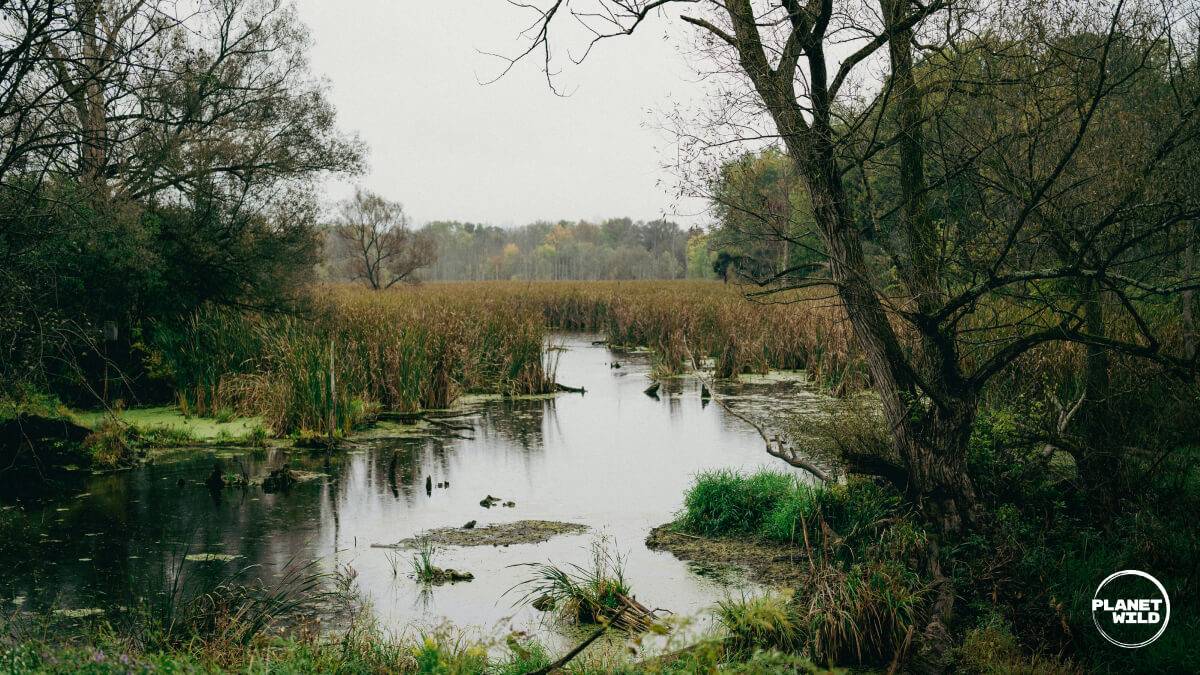
Long seen as mythical or dangerous in folklore, peatlands have often been associated with spirits, legends, and even death. Perhaps it has something to do with how their acidic conditions preserve and mummify human bodies — you may have heard of “bog bodies” being found relatively intact after hundreds of years.
Understanding bogs, fens, moors, and peatlands
You may hear peatlands and wetlands referred to as bogs, moors, fens, mires, etc. While they’re often used interchangeably, in a scientific context there are differences based on how they get water, how acidic they are, and the kinds of plants and animals they support.
Bogs v fens: What’s the difference?
Peatlands are commonly divided into just two basic types: bogs and fens. Bogs refer to peatland fed almost exclusively by rainfall, while fens are usually low-lying areas fed by groundwater and surface runoff as well as rain. This means that bogs are highly acidic and low in nutrients, while fens are less acidic (sometimes neutral or slightly alkaline) and richer in nutrients due to minerals gathered from groundwater.
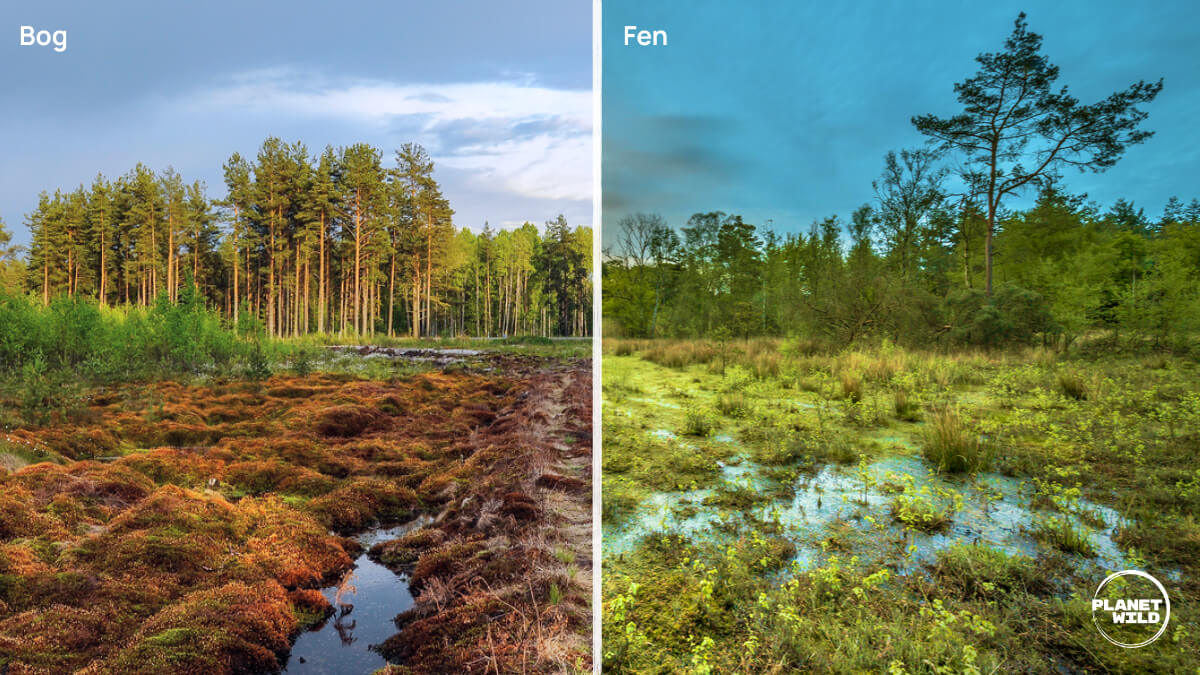
As a result of the high acidity, bogs are dominated by sphagnum moss, which releases hydrogen ions into the water in exchange for nutrients like calcium and magnesium. This lowers the pH levels of the bog and makes conditions more acidic. Fens, on the other hand, tend to support a wider variety of plants, including sedges, grasses, reeds, wildflowers, and sometimes even shrubs and small trees.
A mire is often used as an umbrella term in ecology to describe peatlands as a whole, encompassing both bogs and fens. A moor refers to an open peat-covered landscape where peat has built up over time and vegetation remains largely treeless. Having said all this, sometimes the landscape is not so clear-cut. Sometimes bogs, fens, and moors overlap, creating a diversity of important ecosystems that are all important.
Why are peatlands so important?
Peatlands are special habitats, not just for their ancient lore, but for their scientifically proven ability to store vast amounts of carbon. What’s more, they help balance the water cycle, keep the landscape from eroding, and are home to countless plants and animals.
Peatlands are a carbon sink
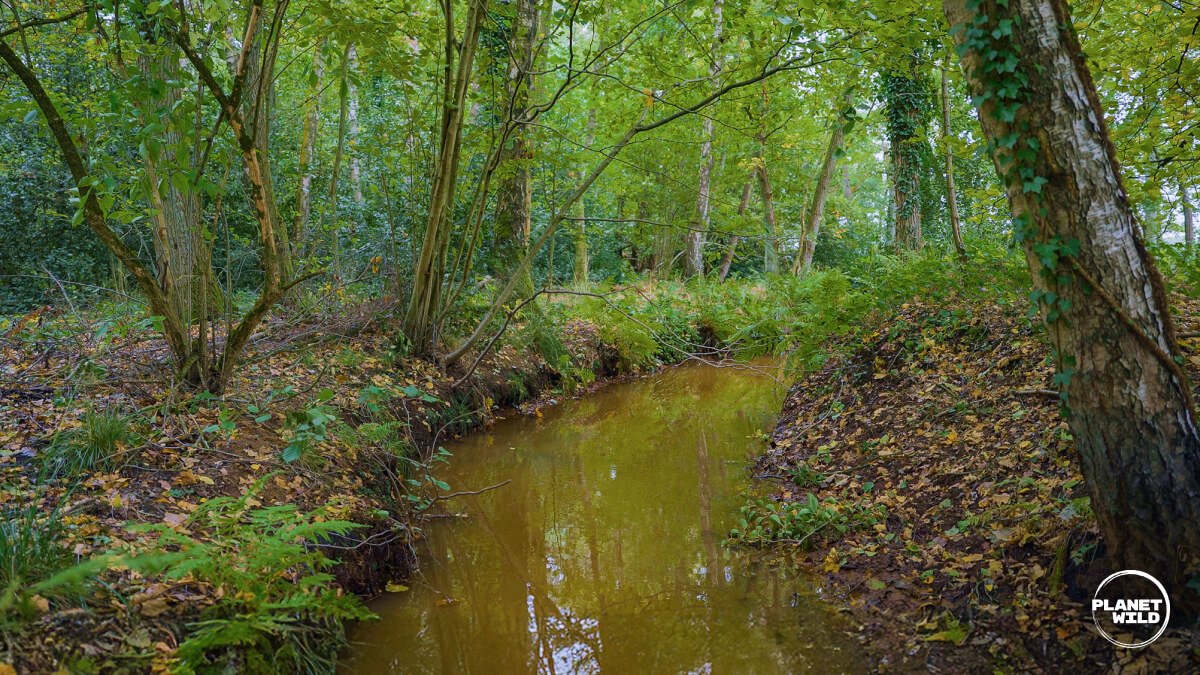
Because plant material doesn’t fully decompose, the carbon it contains remains locked inside the soil. This makes peatlands some of the most carbon-dense ecosystems on the planet. Although they cover less than 3-4% of the world’s land, they store more carbon than all the world’s forests combined. This is why it’s so important for peatlands to remain intact, because the destruction of a single peat bog could release thousands of years worth of stored carbon in one fell swoop. Globally, drained peatlands account for around 5% of human greenhouse gas emissions.
They are home to wildlife found nowhere else
The wet, acidic, and nutrient-poor conditions of peatlands create highly specialized habitats where only adapted plants and animals can thrive. These extreme conditions limit competition, allowing rare mosses, insects, birds, and carnivorous plants to survive where they cannot elsewhere. As peatlands develop slowly over thousands of years, different stages of their formation provide a range of habitats, supporting diverse wildlife throughout their long life cycle.
They are vital for the water cycle
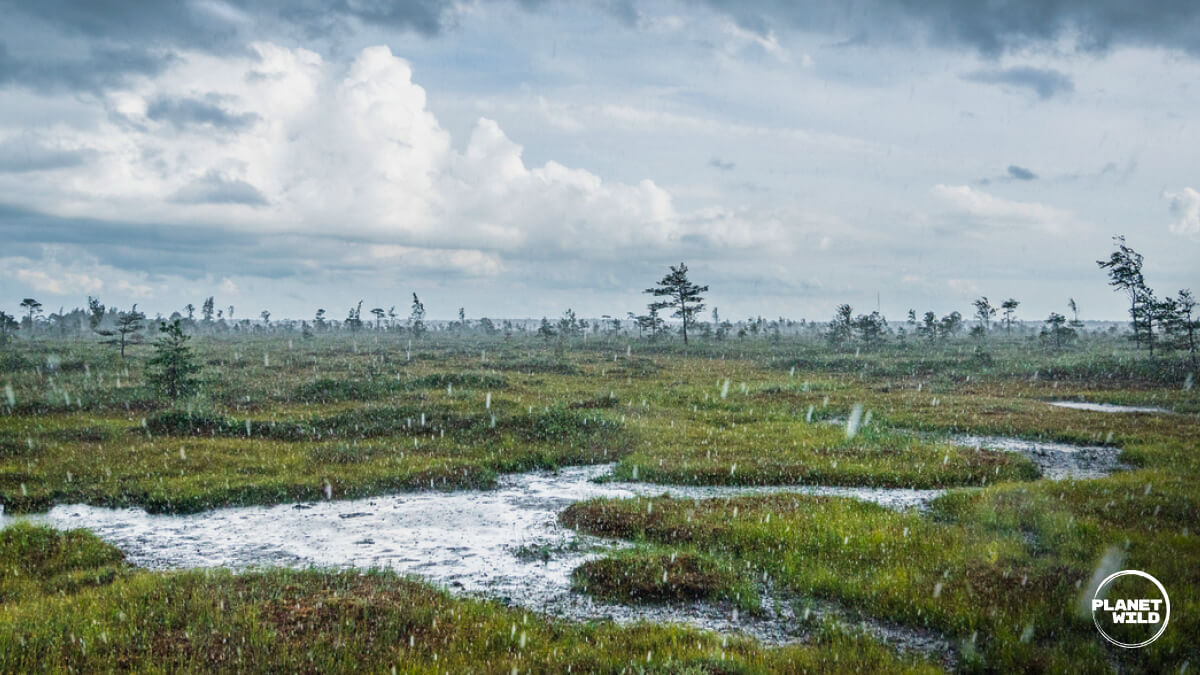
Peat acts like a natural sponge, able to hold and store enormous amounts of water. This means peatlands catch rainfall and snowmelt, releasing it slowly into rivers and streams, which helps prevent flooding. They also filter the water of pollution and sediment, keeping it clean.
Peatlands help the landscape stay resilient
Peatlands act as natural buffers against environmental extremes, like flooding and drought. They gradually release water during dry periods which maintains rivers and keeps surrounding soils moist. At the same time, intact peatlands stabilize the landscape, helping surrounding ecosystems better withstand heavy rainfall and the long-term impacts of climate change.
What kinds of wildlife live in peatlands?
Despite their harsh conditions, peatlands are extraordinarily rich in life. In some cases, only highly specialized species can survive. Carnivorous sundews, rare ants, bogberries, and countless insects thrive in this seemingly hostile environment.
A single lowland peat bog can support more than 3,000 insect species, 800 flowering plants, and hundreds of mosses. Among the most important is sphagnum moss, which acts like a sponge, soaking up water and creating the perfect habitat for life to burrow, nest, and grow.
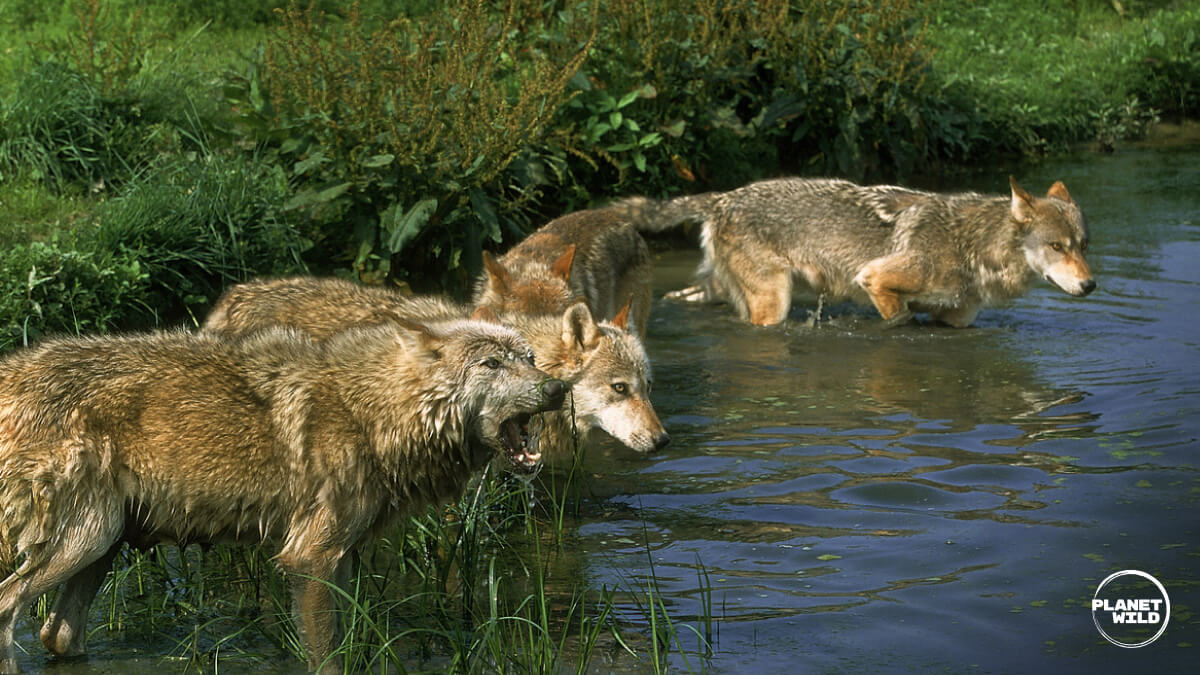
Larger birds and mammals also depend on bogs. For keystone species such as wolves, the wet, open ground and thick vegetation provide room to travel, hunt, and raise pups with little human disturbance, as peatlands are often remote and difficult to access. These landscapes also support healthy populations of deer, moose, beavers, and small mammals by offering reliable water, food, and shelter.
Why are peatlands so threatened?
For thousands of years, Europe was full of wetlands. After the last Ice Age, a vast and dominant ecosystem emerged across the continent: an interconnected mosaic of peatlands, mires, lakeshores, and floodplains carved into the landscape by retreating glaciers. These waterlogged environments took thousands of years to form, slowly accumulating life, carbon, and biodiversity.

Yet in just a few hundred years, Europe (more than anywhere else in the world) has systematically drained this ancient landscape. Deep trenches were cut into the landscape to drain the water away, transforming living wetlands into dry, degraded land. Ecosystems that took thousands of years to develop have been altered over the span of just a few generations, often with the belief that wetland was wasted land: something to be drained, filled in, burned off, and repurposed.
Today, roughly 12% to 15% of the world's peatlands have been drained and degraded in the last 100 years, releasing thousands of tons of carbon into the atmosphere and destroying countless habitats — so how do we fix it?
How can we protect and save peatlands?
Saving peatlands is no easy task, but even though they take thousands of years to form, that doesn’t mean it's hopeless. In Belgium, Ecotree and Natuurpunt are doing something about it.
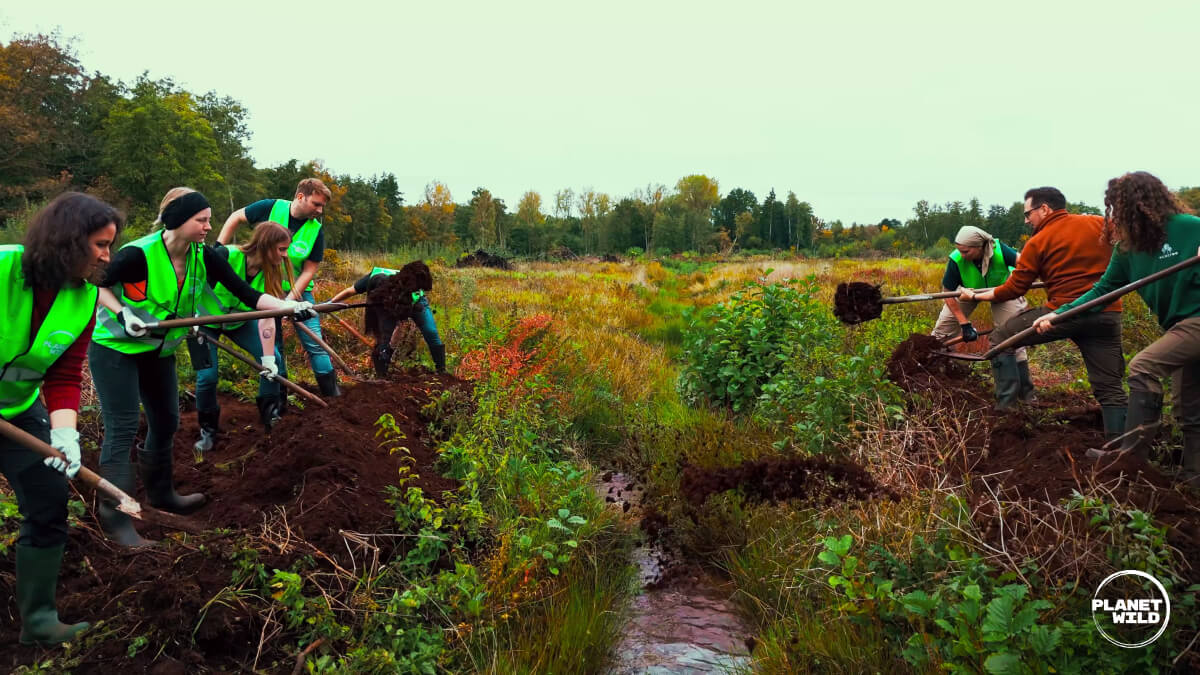
Over the last century, more than 80% of Europe’s wetlands were drained to make the land more farmable. By digging long, straight drainage ditches, excess water is channeled into streams, which has completely dried out the land. In Belgium’s Black Creek Valley alone, over 1,000 kilometers of ditches have been dug, drying out the ancient peat and releasing carbon into the atmosphere. For the first time, the Planet Wild team was joined by members of our dedicated community, who kindly volunteered their time to come to the Black Creek Valley to help start the process of transforming farms back into biodiverse peatland.
Peatlands may cover only a small fraction of the Earth’s surface, but their impact is immense. They store more carbon than all the world’s forests combined, support unique wildlife, regulate water systems, and help landscapes withstand floods and droughts. Yet human activity has drained and degraded large areas, releasing carbon and destroying habitats. Protecting and restoring peatlands is critical, not just for biodiversity, but for climate stability, clean water, and the health of ecosystems that sustain life on our planet.