In defense of fire: The history and science of cultural burning
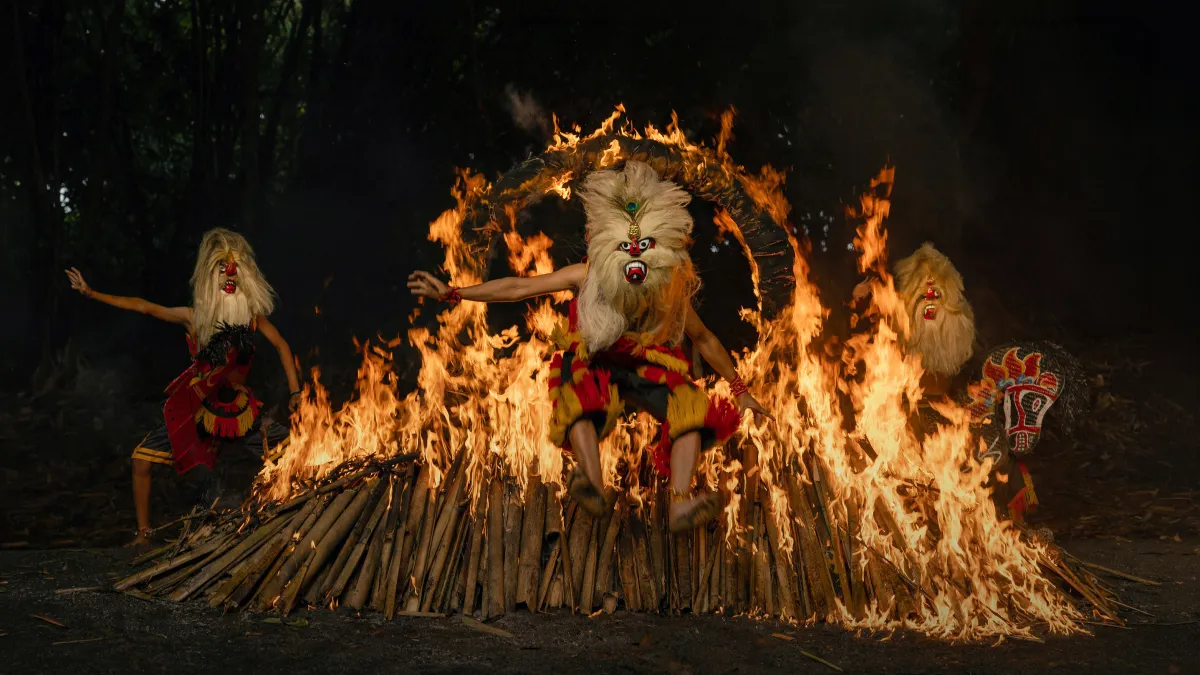
Fire is one of the most destructive forces on the planet. When left unchecked, the results can be catastrophic and these days fires are only seen as a disaster — but that’s not always been the case. Indigenous peoples have long understood the benefits of fire, and how it can be used as a tool to shape productive and sustainable landscapes, using ancient knowledge that for the most part has been forgotten and dismissed.
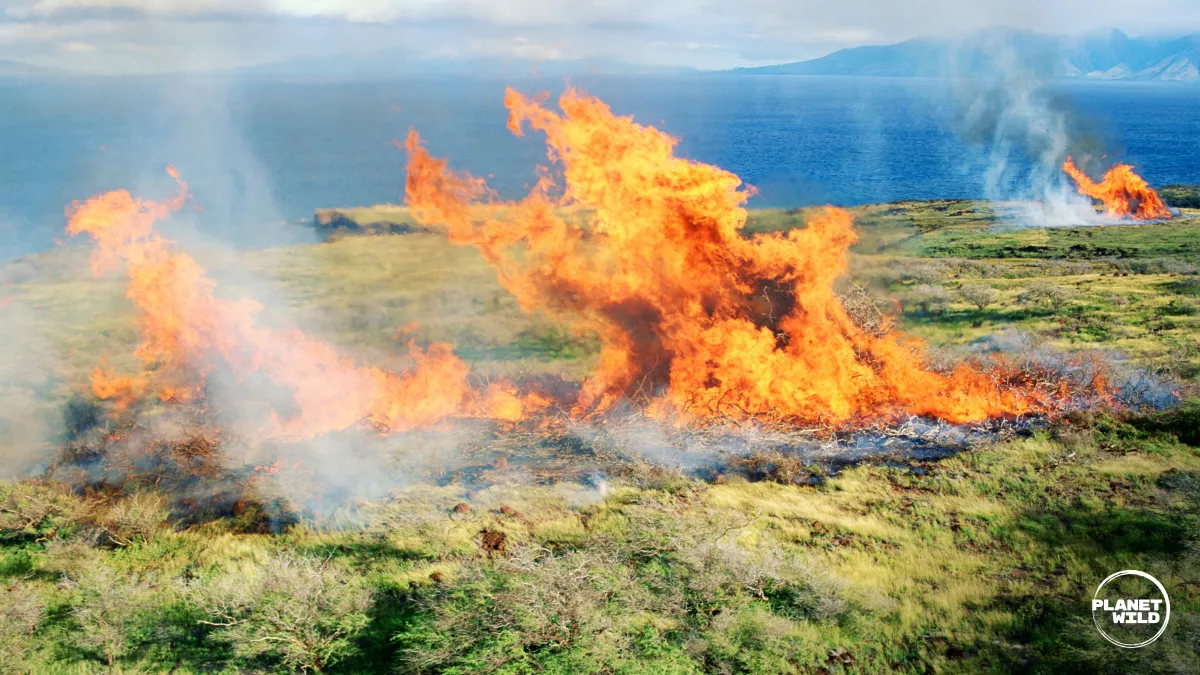
In this article, we will explore the science behind these cultural fire practices, and consider ways we can use this lost knowledge today to rewild ecosystems and serve the communities that live within it.
Why do healthy ecosystems need fire?
Fire has always been an important and natural part of ecosystem regeneration. It’s a natural part of both forest and grassland ecology, where it breaks down dead plant material like leaves, bark, woody debris, returning nutrients like phosphorus and potassium directly to the soil much faster than decomposition alone. Fire clears away dead vegetation, creating a clean slate for new plants to grow, and manages areas overpopulated by fungi, pathogens, or insects.
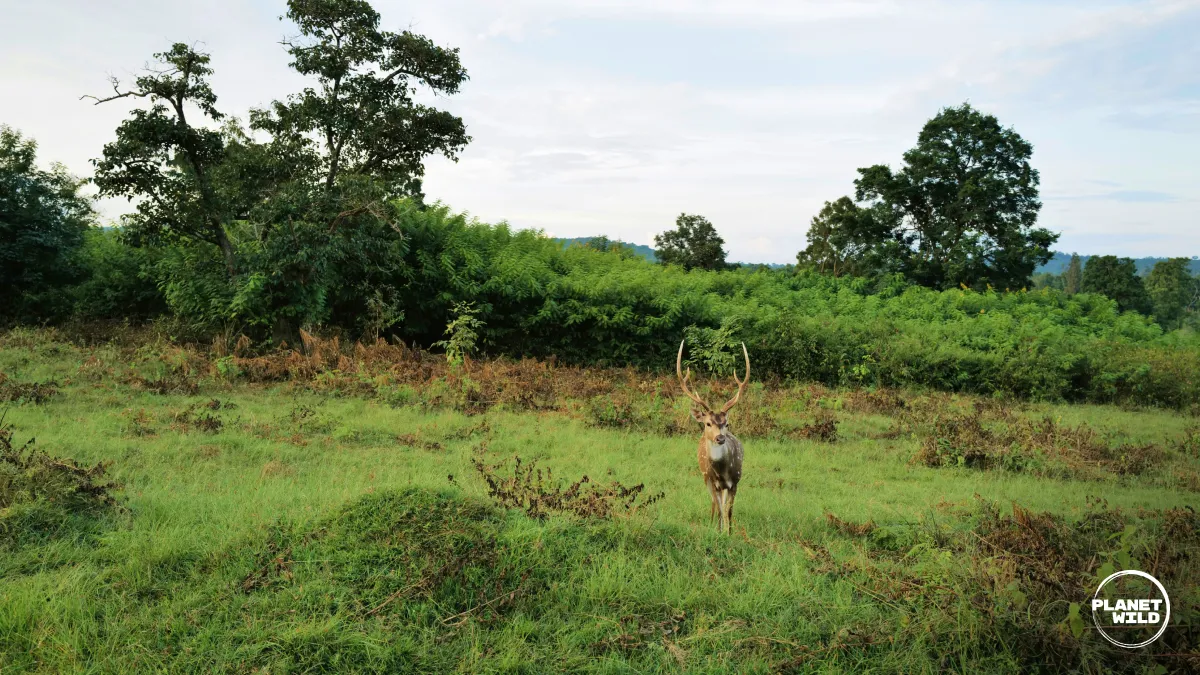
Some plants (known as Pyroendemics) even rely on heat and smoke to germinate their seeds, because they possess an ancient protein that responds to karrikins, a compound found in smoke. Karrikins dissolve in water, so when rain falls after a fire, it carries the karrikins down into the soil where dormant seeds are waiting.
Once a seed absorbs this karrikin-laced water, it acts as a wake-up signal: the chemical interacts with the seed's internal hormone system and triggers it to germinate. Over 1,300 plant species are thought to respond to smoke or smoke-saturated water, which shows just how deeply intertwined fire is to plant evolution.
What is the difference between controlled burning and wildfires?
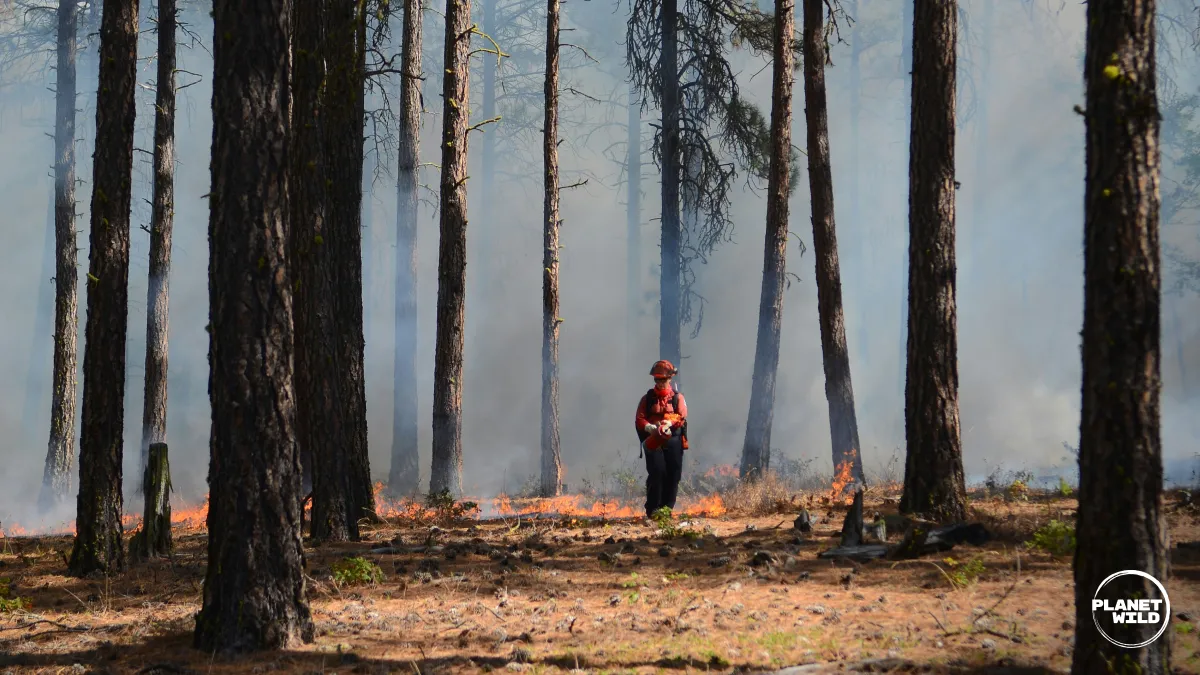
Controlled burning is a deliberate, planned fire set by knowledgeable professionals under carefully chosen conditions, like wind speed and direction, humidity, and temperature. They are set to achieve specific goals, like clearing dead vegetation, improving soil health, or reducing the risk of future wildfires. These burns are low-intensity, contained within firebreaks, and are closely monitored from start to finish. As they're set in cooler, moister conditions and on a small scale, controlled fires burn slowly and predictably.
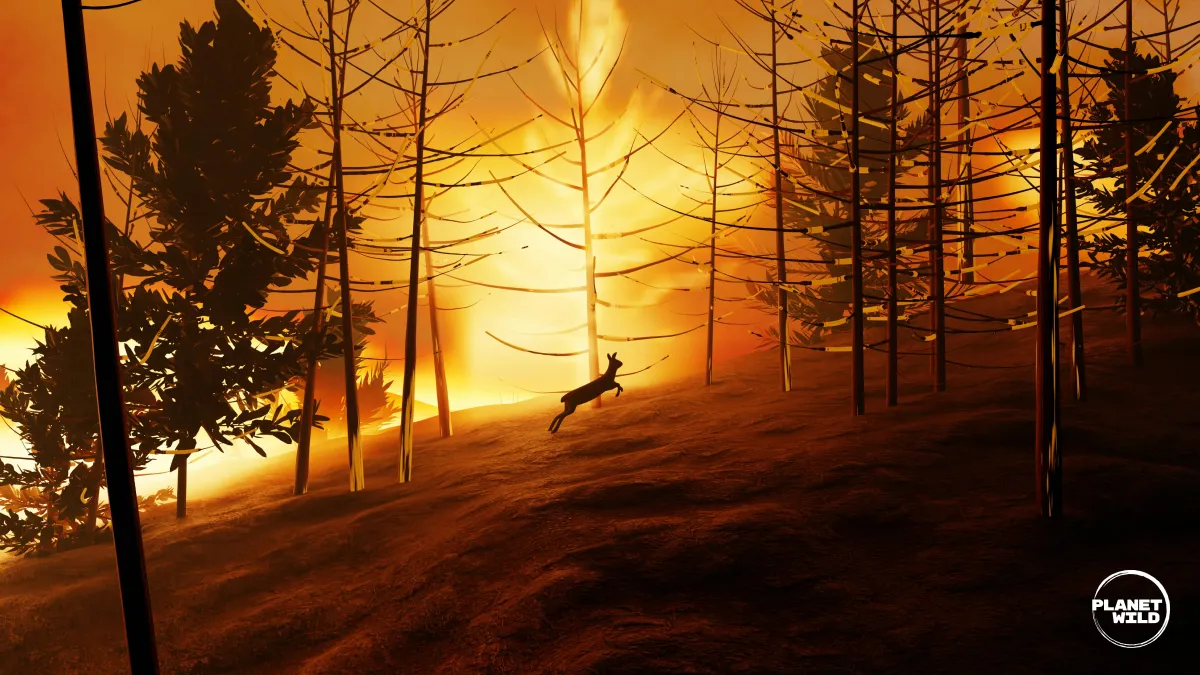
Wildfires, on the other hand, are unplanned and uncontrolled. They can start from natural causes like lightning or human error, and once they begin, they spread based on whatever wind, heat, and fuel happen to be present. Without limits on intensity or direction, wildfires often burn far hotter and faster than controlled burns, especially in areas where dead vegetation has been able to build up for years. This is why decades of fire suppression can actually make wildfires worse: all that built-up fuel gives an uncontrolled fire much more to burn through once it gets started.
What is cultural burning?
For thousands of years, indigenous communities have used controlled burns to shape the land into a productive environment. These techniques transformed landscapes in ways that are far better for the earth than the modern methods of land management we use today, for example industrial agriculture.
How do different cultures approach cultural burning?
Other styles of cultural burning are used by Indigenous groups across the world. Seasonal burning, which was (and still is) used across savanna regions in East and Southern Africa, would be tied to rainfall. Communities would time burns to maximize fresh regrowth right before the rains.
Cultural burning has also long been tied directly to food production. A 2022 study on cultural burning in the Bolivian Amazon showed that it appeared alongside maize cultivation roughly 5,700 years ago, and was later part of a broader polyculture* system growing maize, manioc, and leren. For ancient Bolivians and other Indigenous peoples, fire wasn't separate from farming, but a core part of how these communities grew food.
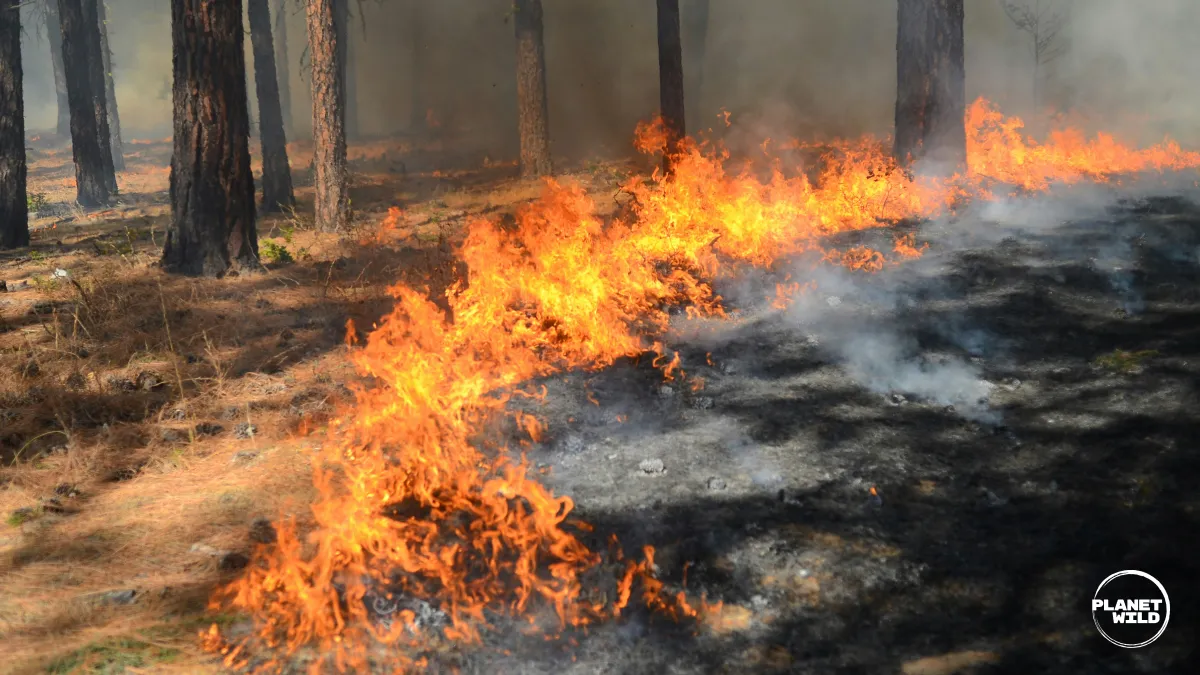
While controlled burning is used today, the modern, western approach tends to be very goal-focused and episodic (burn once to achieve a certain outcome, like wildfire prevention), but most indigenous/cultural cultural burning is typically continuous and deeply embedded in long-term land stewardship, using fire as an ongoing practice of care for the land, and not just a one-time intervention.
What is firestick farming?
Long before British colonialists arrived in Australia, Aboriginal people were farming vast landscapes using methods that long predate anything we use today. The method they used is called “firestick farming,” which would transform the landscape into a vast "mosaic" of carefully managed habitats, featuring staggered patchworks of vegetation.
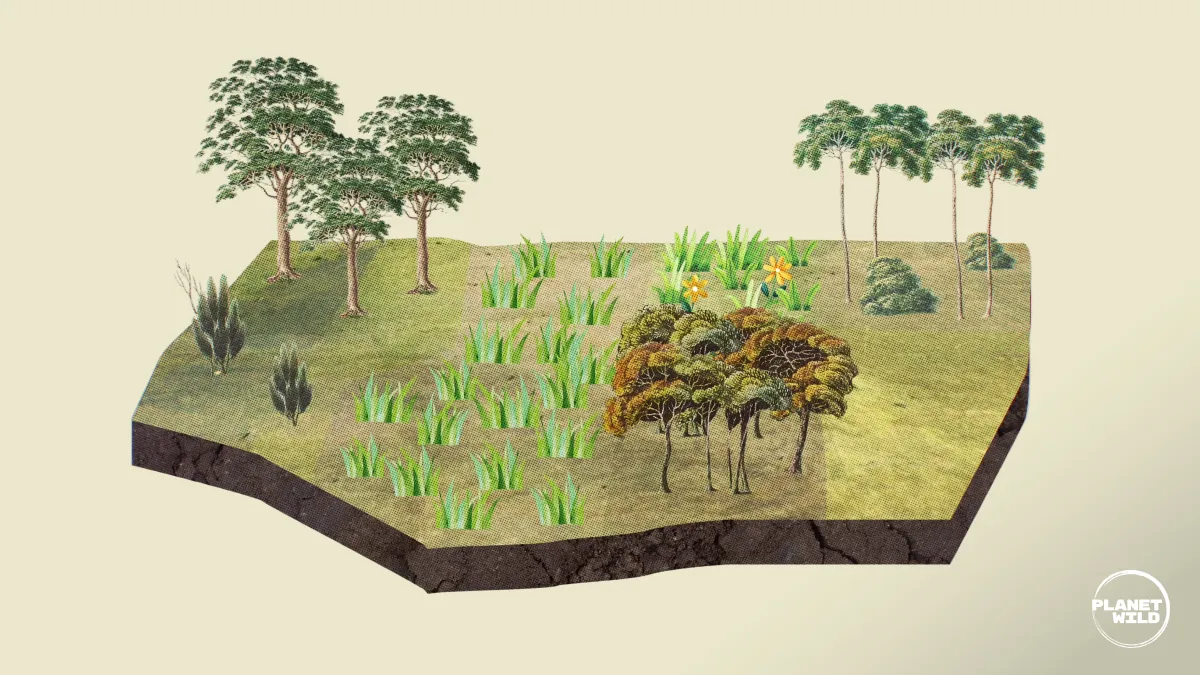
They did this by carefully assessing the moisture in the plants, temperature, and weather patterns to accurately predict how a controlled burn would spread. They then set cool/low-intensity burns and batted out flames that moved in the wrong direction. This way, these gentle fires would move slowly through grass and undergrowth without damaging tree canopies or killing wildlife.
Over time, this technique would create a patchwork of environments at different stages of regrowth, providing new habitats that welcomed a variety of plants and animals. For example, a freshly burned patch would quickly produce new green shoots of Kangaroo Grass, which would lure kangaroos out of the dense brush to feed on the new plants.
For early Aboriginals, this style of pre-colonial geo-engineering* created incredible terraced hillsides for yam production and vast fields of grain as the eye could see. Traditional fire management effectively transformed the continent into an abundant, reliable resource without harming the ecosystem longterm. In Australia, approximately 70% of plants now tolerate or rely on fire, proving that without it, you cannot successfully rewild the country’s natural environment.
Why was cultural burning so successful?
Cultural burning was so successful because it was built on thousands of years of generational knowledge and connection to the land. Practitioners knew exactly how a particular patch of land would respond to fire, which plants thrived post-burn, and which animals returned, because that knowledge had been tested, passed down, and refined across countless burns and countless generations.
Many ecosystems evolved with periodic fire already part of their life cycles. For example, many plants need smoke to germinate, grasslands need fire to stay open, and soils benefit from ash. Cultural burning didn't remove these natural cycles, but instead worked with them to apply fire at the frequency and intensity that the land already needed. Furthermore, the process removed the dangerous buildup of dry vegetation, which made dangerous wildfires much less frequent.
Lastly, by burning patches of land at different times rather than an entire landscape at once, cultural burning created habitats at different stages of regrowth. This meant animals always had unburned refuges nearby, and the overall landscape supported far more diversity than either constant fire or complete fire suppression would.
Unfortunately the most obvious evidence of cultural burning’s success is what has happened since the tradition was halted. Colonization suppressed these practices across Australia, North America, and elsewhere, because they were not efficient enough. The result has been larger, hotter, more destructive wildfires as fuel loads built up unchecked. We have also adopted much more harmful methods of land clearing, which have devastated ecosystems and are one of the major reasons for the ongoing biodiversity crisis.
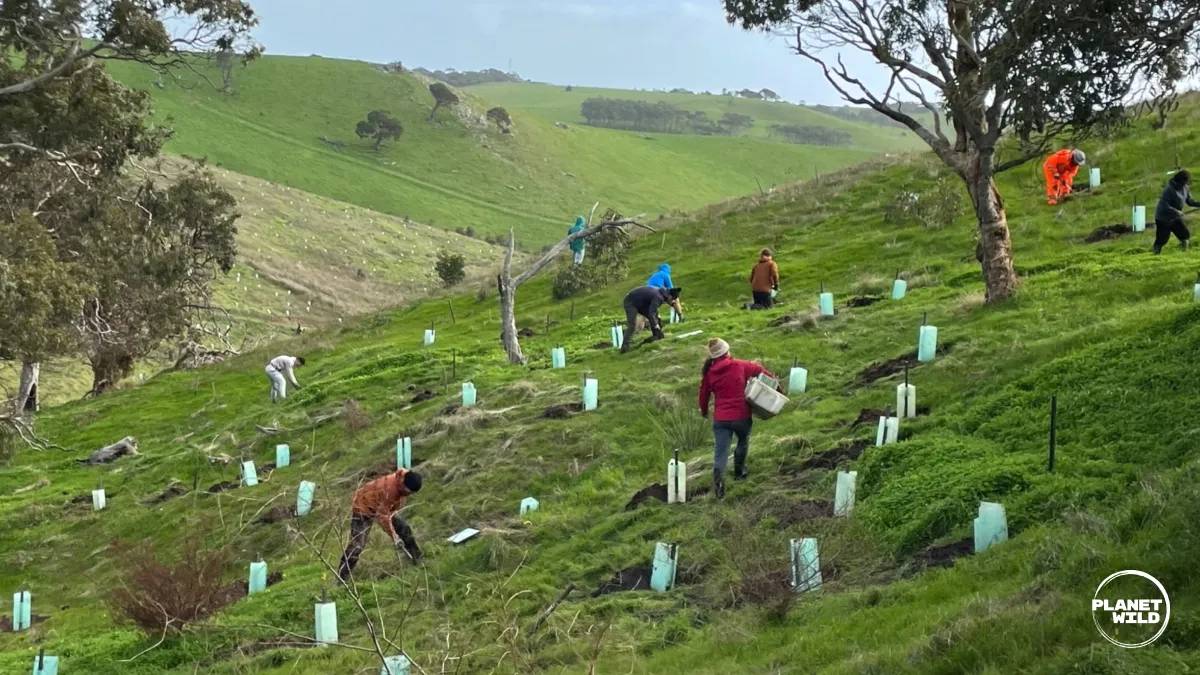
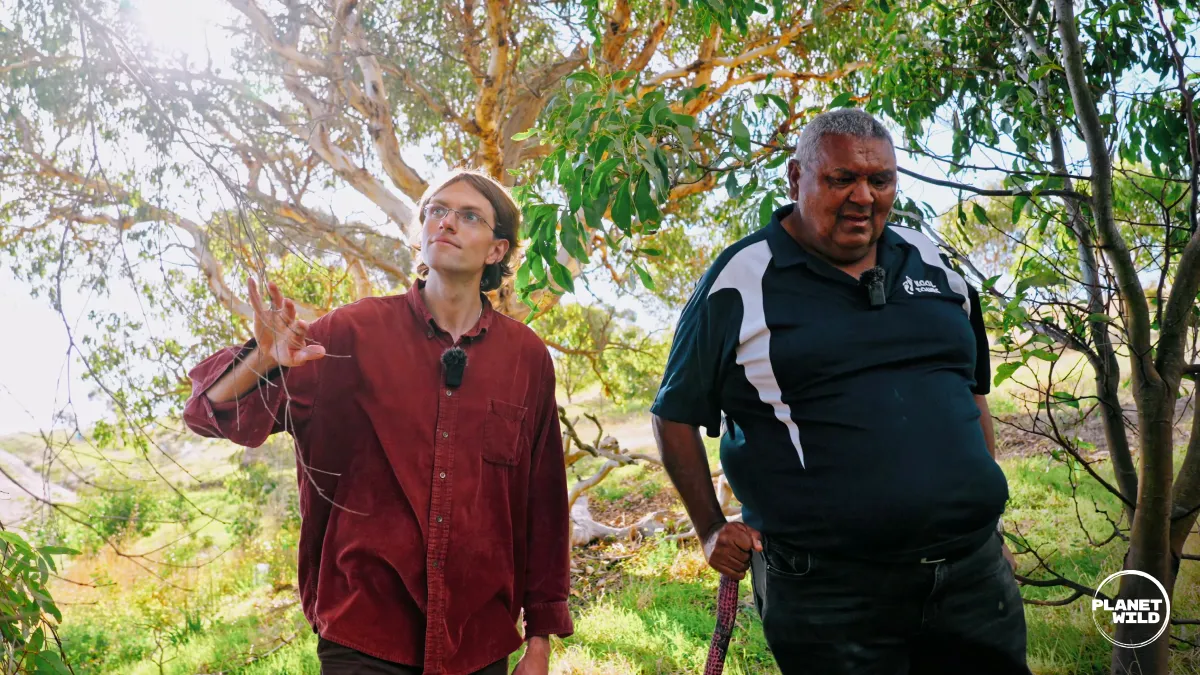
In our most recent Plant Wild mission, we teamed up with the Forktree Project in Australia who are bringing these lost ecosystems back, and educating communities on the importance of land stewardship and the benefits of cultural burning.
Fire isn't just destructive, it can also be a tool. Indigenous cultural burning shows us that with the right knowledge, fire can sustain ecosystems, support biodiversity, and prevent the very disasters we now associate with it. As wildfires grow more frequent and severe worldwide, it’s becoming more apparent that we need to return to these time-tested practices in partnership with the communities who developed them.
Glossary of terms
Polyculture: The practice of growing multiple different crops together in the same space, rather than a single crop alone.
Geo-engineering: The deliberate, large-scale manipulation of the Earth's climate or environment to counteract effects like global warming, such as by reflecting sunlight away from the planet or removing carbon dioxide from the atmosphere.