What happens when ecosystems collapse (and what we can do to stop it)
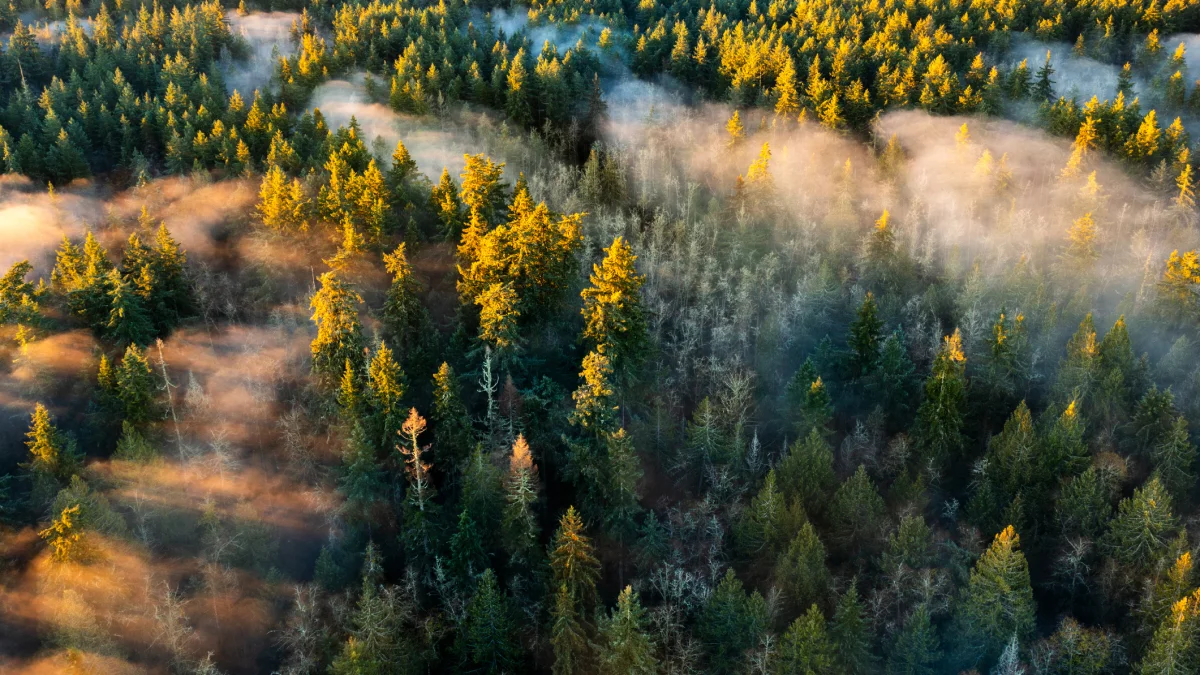
We are losing plants and animals at a rate never seen before in human history, and the planet’s lost ecosystems are the proof. Monitored wildlife populations (mammals, birds, reptiles, amphibians, and fish) have shrunk by 73% on average since 1970, according to WWF's Living Planet Report 2026. The UN's global biodiversity assessment puts today's extinction rate at tens to hundreds of times higher than the average over the past 10 million years, with around one million species threatened.
This is happening because ecosystems are tightly interconnected webs, so the loss of one species can set off a chain of further losses, known as extinction cascades. Scientists now warn that we may be at the start of a global unraveling, driven by human activity.
We know this because we have already seen it. A once biodiverse sea is now a toxic desert, and islands have lost entire forests and their giant animals. But it’s not all doom and gloom; understanding how ecosystems fail is the first step toward saving the ones that remain. Ecosystems can recover, and fast, we just have to let them.
What is ecosystem collapse?
Ecosystem collapse happens when an ecosystem rapidly loses its basic structure and function to the point that it cannot return to its former state. When it gets bad enough, the species, the relationships between them, and the services they provide, break down altogether. To compensate, a simpler version of the ecosystem takes over, which is often less able to cope with future disruptions. Fewer species, fewer habitats, and fewer connections make it harder for ecosystems to recover.
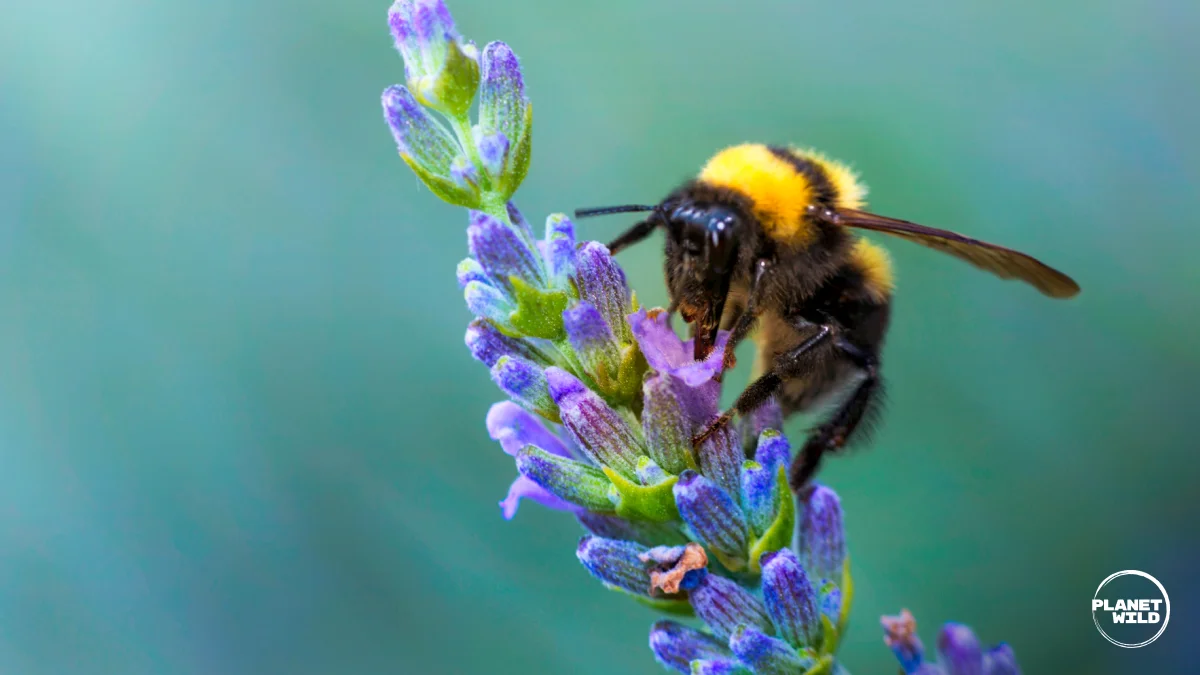
The biodiversity crisis is a major driver of ecosystem collapse, as we continue to erode populations, the web thins. Fewer species and less genetic variety mean that when one disappears, there aren’t enough of the species to take over its role, and as a result the whole system becomes less able to withstand climate shocks such as drought, disease, or heat.
Trophic cascades and extinction cascades
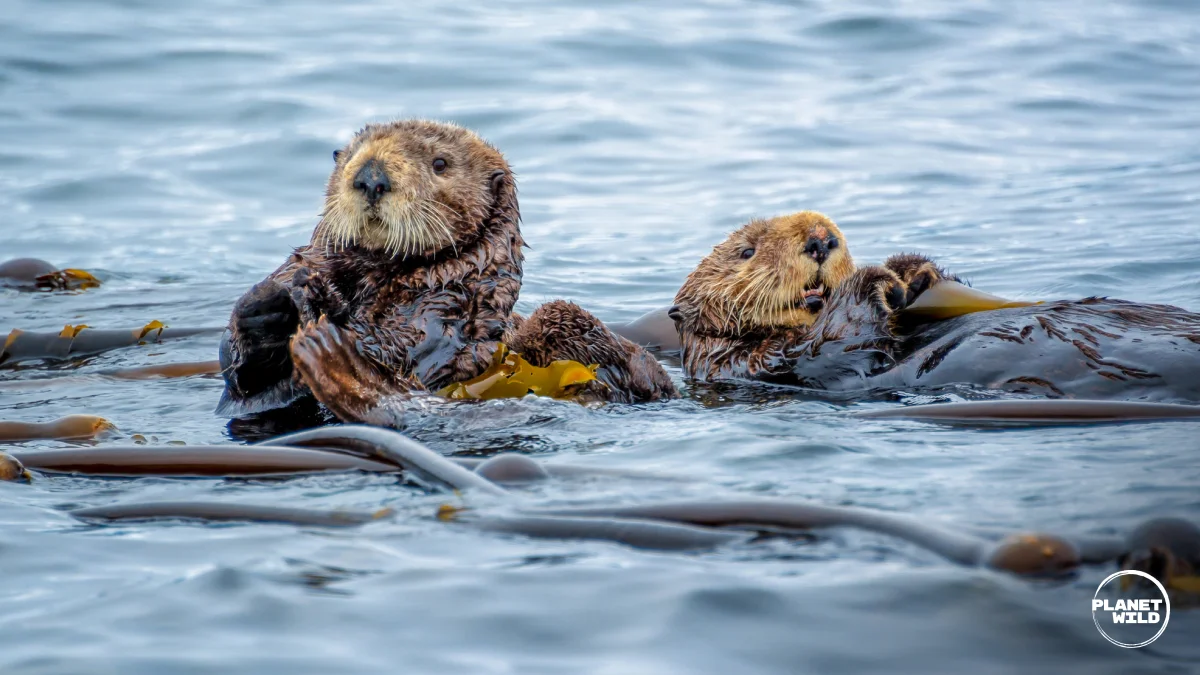
Something ecologists monitor closely are trophic cascades. A trophic cascade is a ripple effect where a change at one level of the food chain travels up or down to the others. The classic example of this is the sea otter, a keystone species. During the 1700s and 1800s, fur hunters nearly wiped out all the otters along the Northern Pacific coast.
In places where the otters disappeared, sea urchin populations exploded. The overpopulation of urchins led to over-grazed kelp forests, and thousands of fish, bird, and invertebrate species that depend on kelp lost their habitat and also vanished. Thankfully, sea otter reintroduction in Oregon and California have helped bring those lost kelp forests and seagrasses back.
While trophic cascades send a ripple effect through the food chain, causing alternations, an extinction cascade is a domino effect where the loss of one species directly or indirectly causes the complete extinction of other dependent species. This can happen when a food source or mutualistic partner is lost completely, so those dependent on it also disappear.
How does ecosystem collapse happen?
Mass extinction and ecosystem change is nothing new, but it’s the rate at which it is happening now that is most concerning. Life on Earth has already been through five extinctions, but this one is different; it’s manmade. The UN's global assessment found that the current rate of species loss is at least tens to hundreds of times higher than the average over the past 10 million years.
According to the UN, the five main drivers of ecosystem change over the past 50 years are changes in land and sea use, direct exploitation of organisms, climate change, pollution, and invasive species. Most ecosystems face more than one of these issues.
For a long time, the climate crisis and biodiversity loss were seen as two separate catastrophes, but it’s now clear that they are closely linked. Studies have shown that even moderate global warming can trigger cascades of coextinctions across entire food webs. At the same time, healthy, intact ecosystems are part of how we cope with climate change, so as ecosystems become more fragmented, the harder it is to tackle the problem at all.
Examples of lost and altered ecosystems
The Aral Sea
The Aral Sea was once the world’s fourth-largest lake, covering about 68,000 square kilometers (roughly the size of Tasmania) in Central Asia. Until the 1960s its fisheries were responsible for around 80,000 tons of fish a year. But when Soviet planners diverted the two rivers that fed it to irrigate their cotton and rice fields, more than 90% of the lake's surface area dried up.
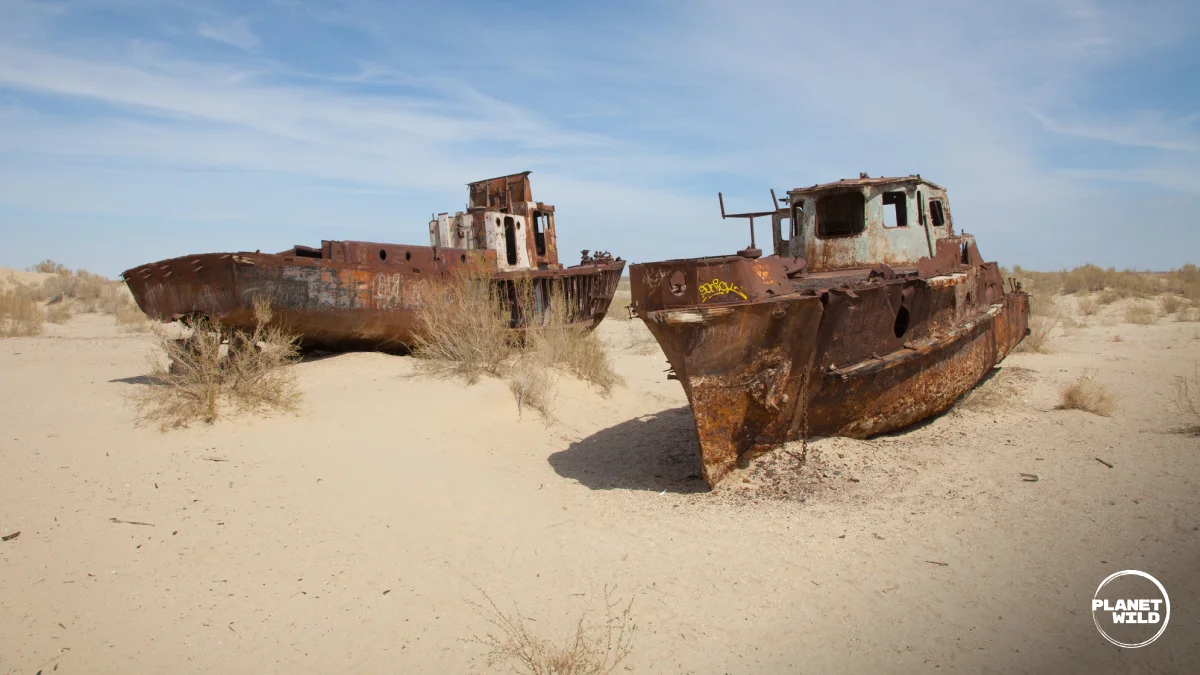
As the water shrank, salinity climbed until all 24 native freshwater fish species were gone and the vast fishing industry died with them. The exposed seabed became the Aralkum Desert, which is now laced with pesticide and fertilizer residue, a toxic dust that is blown toward nearby villages. The sea ended up split in two: a northern part that has since been partly revived, and a southern part that is gone.
North Atlantic marine ecosystem
Overfishing is often a cause of trophic cascades, as aggressive fishing practices lead to the decimation of key fish species, either by targeted fishing or through bycatch. In the 1990s, Atlantic cod populations plunged to just 1% of their numbers pre-1950. A big reason for the collapse was the introduction of equipment and technology (namely trawlers) that were able to catch cod much faster than the fish could reproduce.
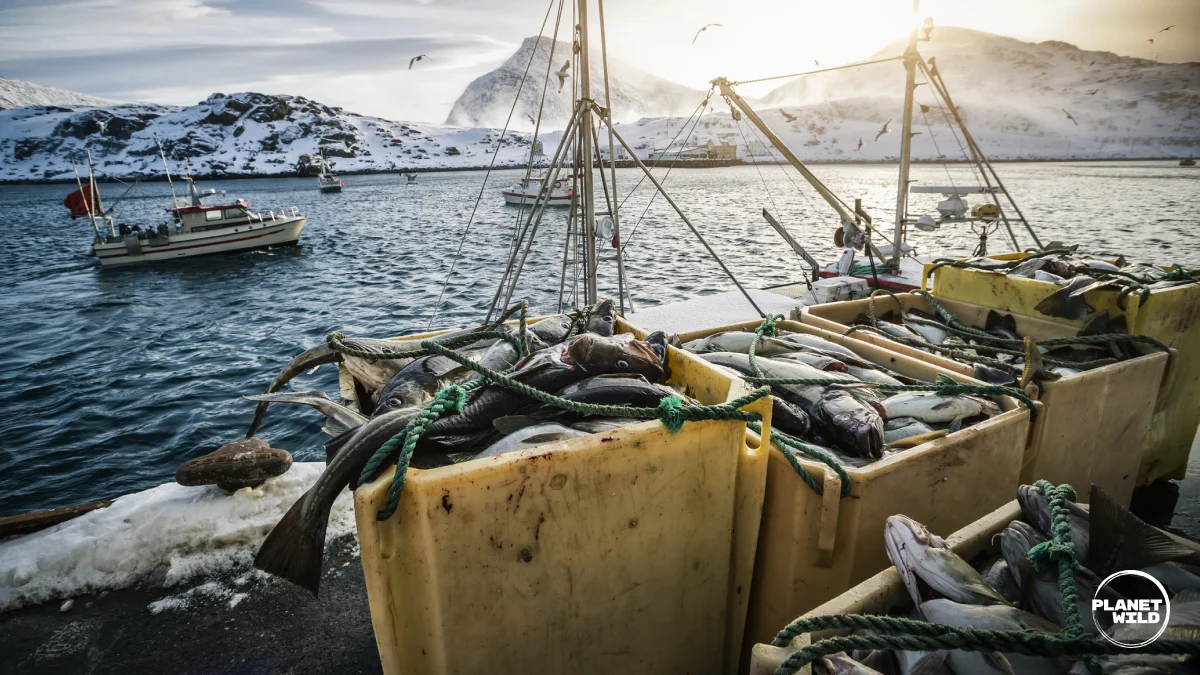
Beyond the loss of thousands of jobs and the collapse of the northwest cod fisheries, Atlantic cod is an apex predator, and its removal caused a trophic cascade, allowing a boom in prey species like capelin and herring. Furthermore, generations of overfishing is thought to have led to rapid evolution among remaining cod populations, meaning they mature earlier and remain smaller to give them a better chance at survival.
The good news is, there are not that many clear-cut cases of ecosystem collapse. The Aral Sea is the textbook example, and even there the North Aral has partly refilled since a dam went up in 2005. In the North Atlantic, fish populations are rebounding thanks to limits and regulations on fishing.
Can ecosystems recover?
While it’s clear ecosystems can recover, the speed at which they do so varies widely. During the Toarcian extinction event roughly 183 million years ago, when massive volcanic activity drove up global temperatures by 37.4°F to 44.6°F (3°C-7 °C), it took marine populations around 7 million years to fully recover. That being said, even ecosystems that need thousands of years to return to their pristine state can become new, productive ecosystems in the meantime.
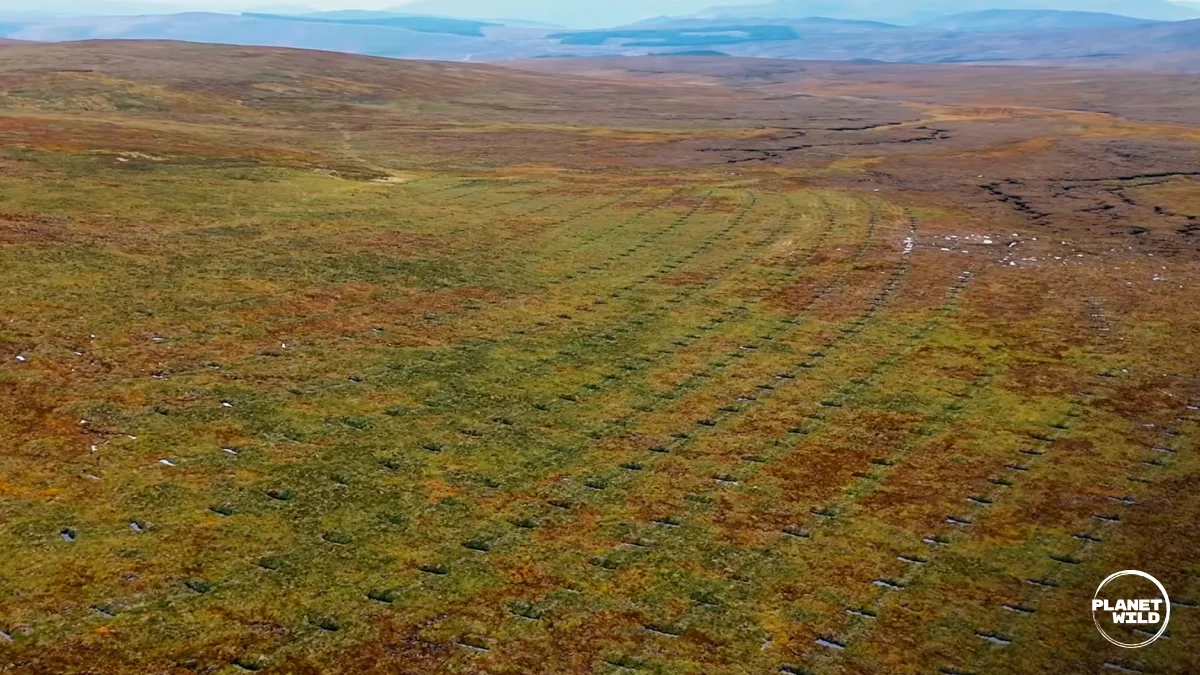
A great example are peatlands, which are created through the formation of layers of undecomposed organic matter. It only grows 1 centimeter per year — meaning that it takes 1000 years to grow just one meter. Even though it takes so long to return to its former state, reflooded wetlands welcome new species almost immediately, and bring back landscapes teeming with life. This is exactly the plan in Scotland, when the Planet Wild crew teamed up with the Durrell Wildlife Conservation Trust.
Their ambitious 100-year plan is to restore large swathes of the Scottish Highlands which were drained, cleared, and dammed in the last 100 years, completely eradicating the ancient forests and swamps that existed before. Thankfully, when given the opportunity to recover, peatland ecosystems quickly start to thrive.
Whether an ecosystem takes 10 years or 1,000 years to recover, the key is how fast we act. Damage compounds over time, and each loss makes the next one easier, until a tipping point makes recovery impossible. Recovery also depends on what survives, such as seed banks, pollinators, and nearby habitats, and every year of delay shrinks those key lifelines. Acting now, while these building blocks remain, is what makes recovery possible.
While this all may sound really depressing, it’s key to know that collapse is not inevitable. Given room (and a little help from us), nature rebounds faster than we expect, but recovery has limits, and the window is closing. We must continue to protect what remains, because a collapsed ecosystem cannot be rebuilt within our lifetimes. The work already being done in Scotland is a prime example of what we can do right now, with benefits that will stretch well into the future.
Support Planet Wild
Planet Wild is committed to rewilding the planet through monthly missions that work directly with grassroots organizations dedicated to fighting the biodiversity crisis. When you become a Planet Wild member, your contribution will directly fund innovative and exciting projects all over the world, so you can make a difference from home. Learn more about what we do here.