Ecosystem engineers: Nature’s most important architects
While it could be argued that all creatures are in some way nature’s architects, given that everything on earth shapes its surroundings in one way or another, a select group takes it a step further: their presence can reshape landscapes, and their absence can cause it to collapse.
These creatures are known as ecosystem engineers — organisms that physically shape, create, or maintain a habitat. Many ecosystem engineers are also considered keystone species, since their engineering has an outsized effect on the species around them, and their presence (or loss) can be a strong indicator of an ecosystem's health.
In this article we will break down what it means to be an ecosystem engineer, what makes them different from other species, and why they are so important.
What are ecosystem engineers?
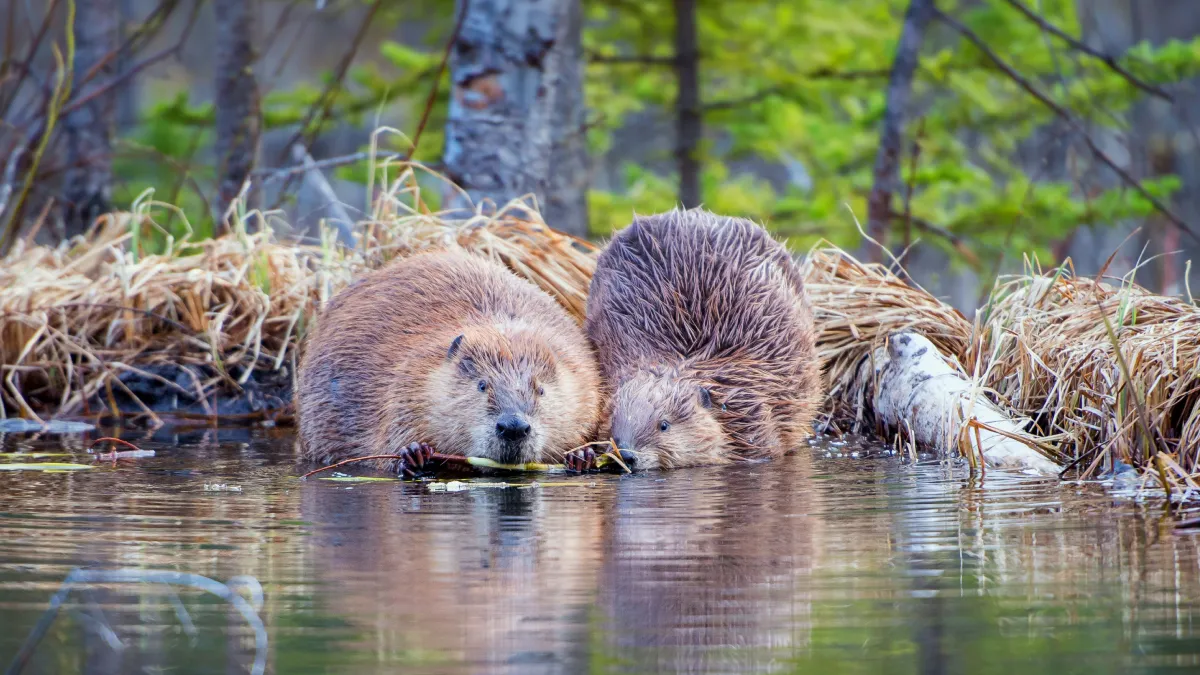
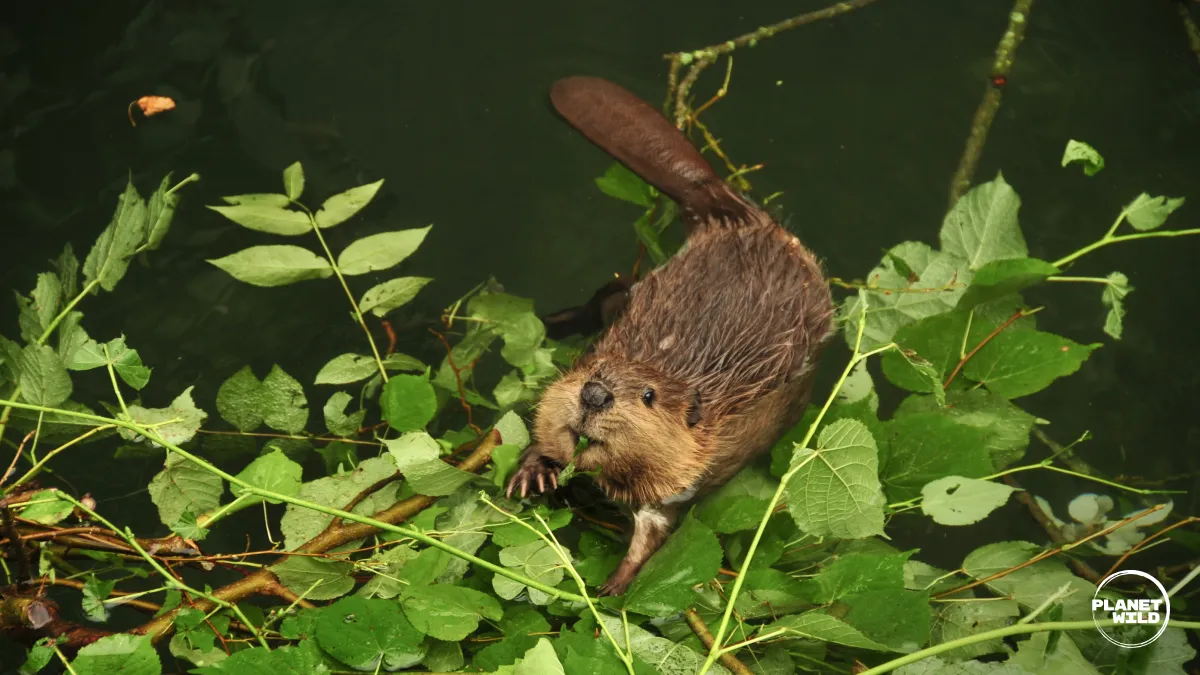
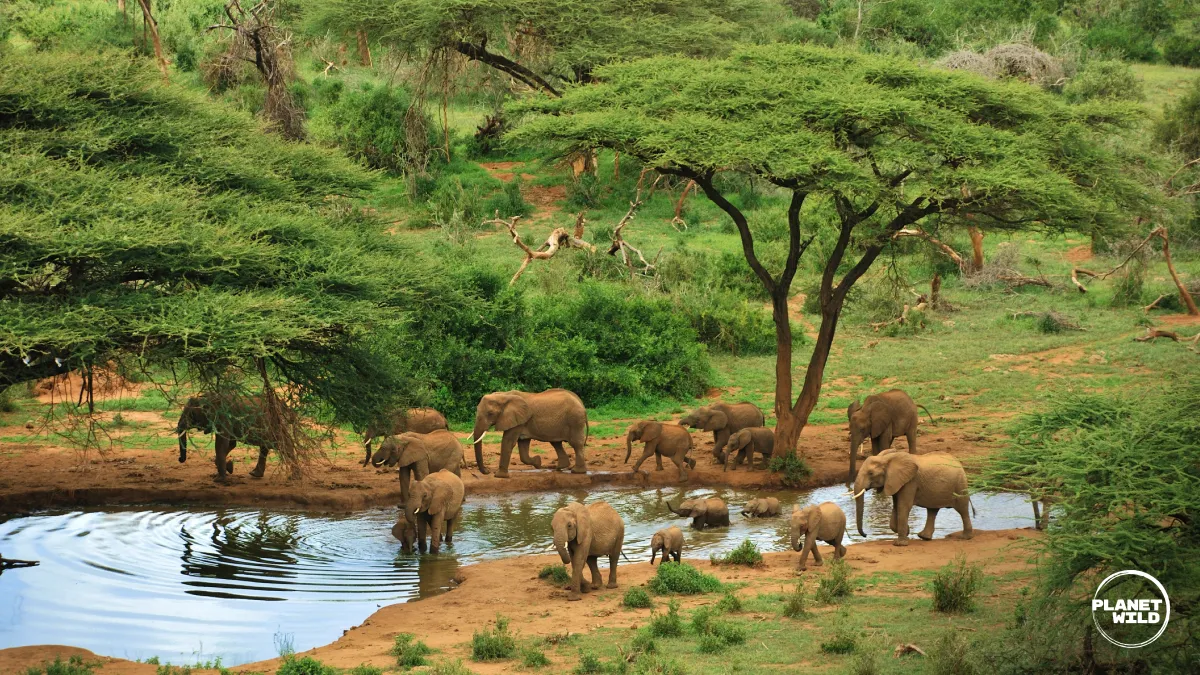
The broad definition of an ecosystem engineer is any species that creates, changes, or maintains a habitat in a way that has a big effect on other species living there. When elephants move through the bush, they rip down dense vegetation, opening the canopy and letting new growth take over. When beavers build dams, they divert the water from rivers and streams into ponds and wetlands, creating whole new ecosystems that support millions of species. These actions make these species important architects of their environment.
Ecologists have two buckets which ecosystem engineers fall into: allogenic engineers and autogenic engineers.
- Allogenic engineers change the environment by transforming other materials, living or non-living, from one physical form into another. They act on the environment outside their own bodies. Famous examples include beavers and elephants.
- Autogenic engineers change the environment using their own physical growth or structure, and not by manipulating outside materials. Their body itself becomes the habitat. Almost every plant is technically an autogenic engineer to some degree, as trees, corals, mosses, seagrass, cacti, and even the lawn in your backyard create habitats for species as they grow.
Examples of ecosystem engineers
The best ways to explain ecosystem engineers and the impact they have on their surroundings is by looking at some key examples, including beavers, woodpeckers, earthworms, and kelp.
Beavers
Beavers are the most famous example of an allogenic ecosystem engineer, as their lifelong pursuit of decluttering and damming rivers and streams has a massive impact on the habitat around it. Beavers are biologically programmed to dam running water when they hear it, with the goal of creating a pond deep enough to submerge the entrance to their lodge, so no land predator can follow them home.
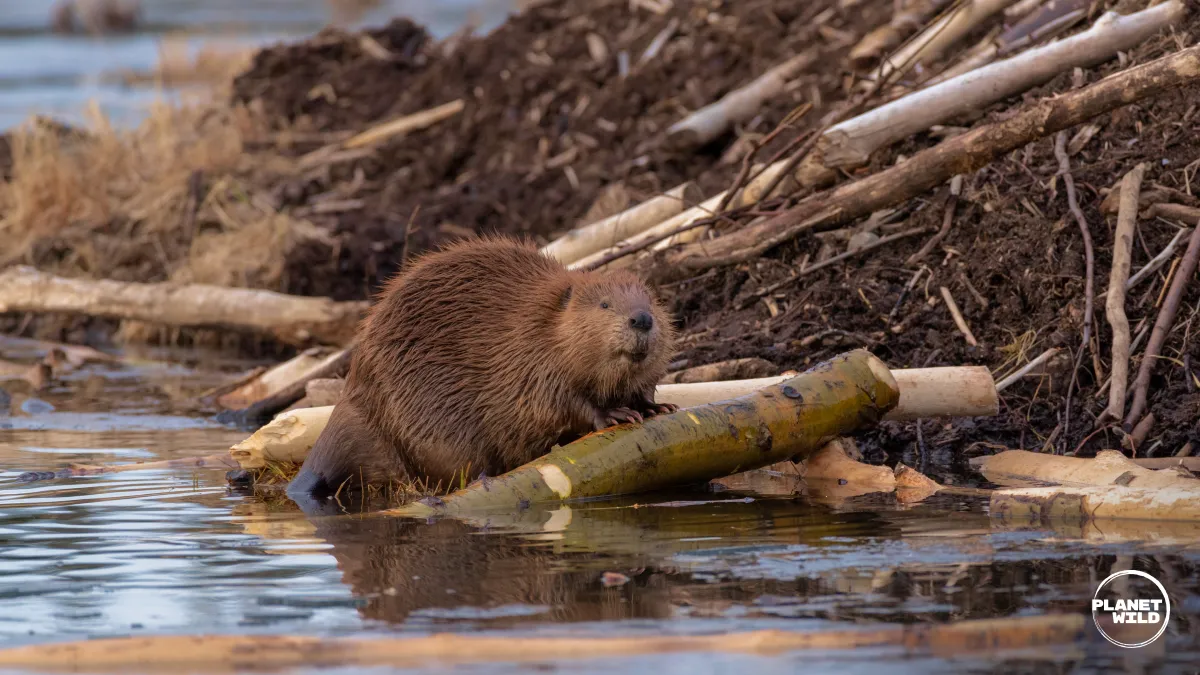
When beavers build their dams, they inadvertently create a pond where a stream once was, which becomes an open water habitat for fish, amphibians, waterfowl, and aquatic insects. Wetland vegetation forms around the pond's shallow edges, and any dead trees left behind by the flooding become nesting and perching sites for birds. The dams also trap sediment and impurities, which makes the water cleaner, and downstream water flow slows, creating cooler, oxygenated waters that can benefit fish species like trout.
This is also why beavers are considered a keystone species as well as an ecosystem engineer. When beavers manipulate waterways for their own benefit, they create a habitat for many other species. If you remove beavers from an area, you lose the ponds, the wetlands, the dead-wood habitat, and everything downstream of it that depends on those slower, richer waters.
Kelp
The world’s kelp forests are some of the planet’s most biodiverse ecosystems. A great example of an autogenic engineer, kelp creates its habitat simply by growing. This fast-growing aquatic plant creates towering underwater "forests" all the way from the ocean floor to the surface, and in turn creates shelters, nursery grounds, and hunting territory for an enormous range of species.
Fish use the canopy and understory to hide from predators and lay eggs, sea otters wrap themselves in kelp fronds to keep from drifting while they sleep, and invertebrates like snails, urchins, and crustaceans live on the blades and holdfasts.
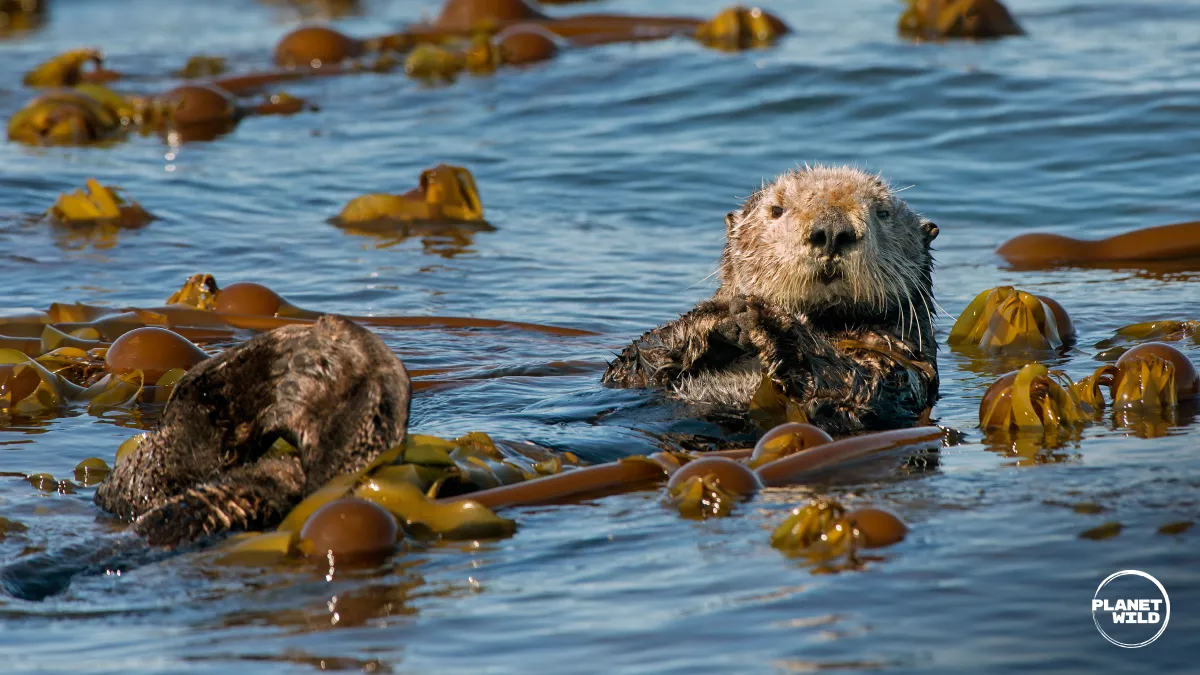
But the kelp forests also need its inhabitants to survive. Sea otters love to feast on urchins, who in turn love to feat on the kelp. Without predators like sea otters to keep sea urchin populations in check, the urchins can overgraze kelp forests, taking down the entire forest in a matter of days, as well as everything that depends on it. The entire ecosystem relies on the balance between each level of the hierarchy.
Earthworms
Another great example of an allogenic engineer that is also widely considered a keystone species is the humble earthworm, because without them our soils would not be able to do their job. Soil structure underpins nearly everything growing above it, so the small actions of billions of earthworms has an outsized impact on the planet.
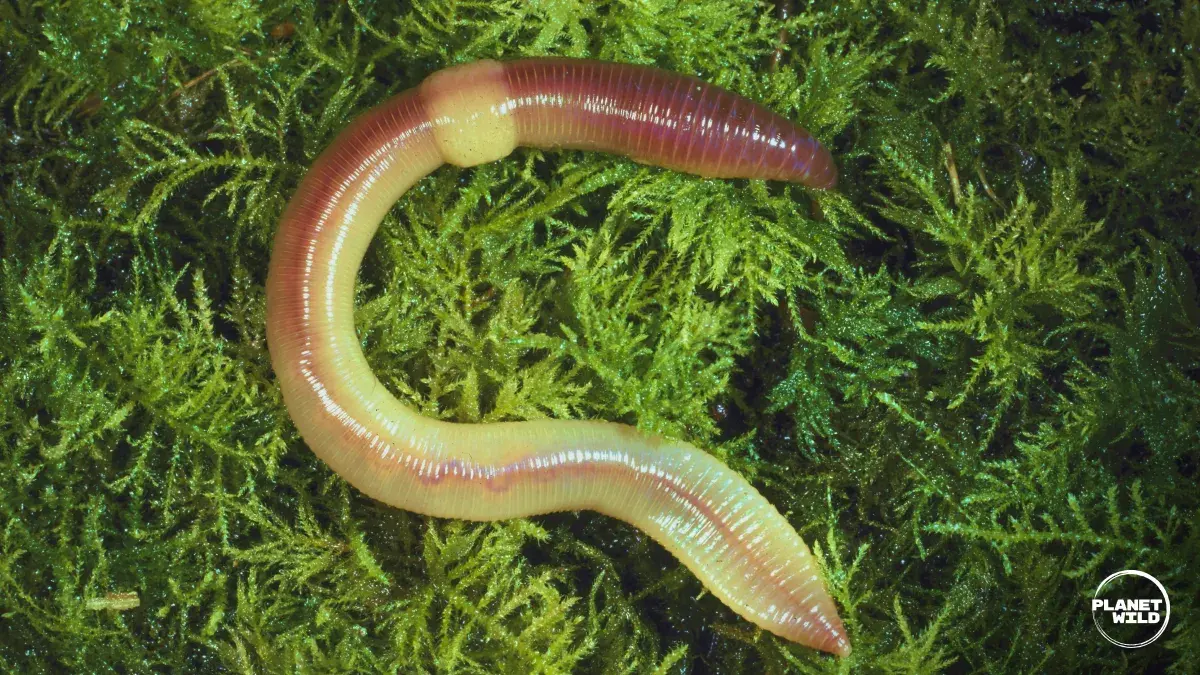
As earthworms burrow, they create channels through the soil which improves aeration and drainage, and allows plant roots to penetrate more deeply than they otherwise could. As they go, they consume the soil, allowing it to pass through their system and then release as "castings" that are richer in nutrients (nitrogen, phosphorus, potassium) than the soil around them. This effectively fertilizes the soil as they move through it. Their movements also blend soil and dead organic plant matter from the surface together, adding to the richness of the soil.
Worms are some of the oldest documented cases of ecosystem engineering, and Charles Dawin spent decades studying how worms have reshaped huge amounts of the world's surface simply through the slow, cumulative effect of digging and casting over long periods of time.
Woodpeckers
Through the action of drilling holes over and over, woodpeckers create countless new habitats for creatures to use. Woodpeckers are what’s known as a primary cavity excavator, meaning they are one of a few species capable of carving these holes from scratch. They drill nest holes into tree trunks, usually in dead or dying wood, to hunt for insects, create nesting cavities, and to establish territory and hunt down a mate (a process known as “drumming”).
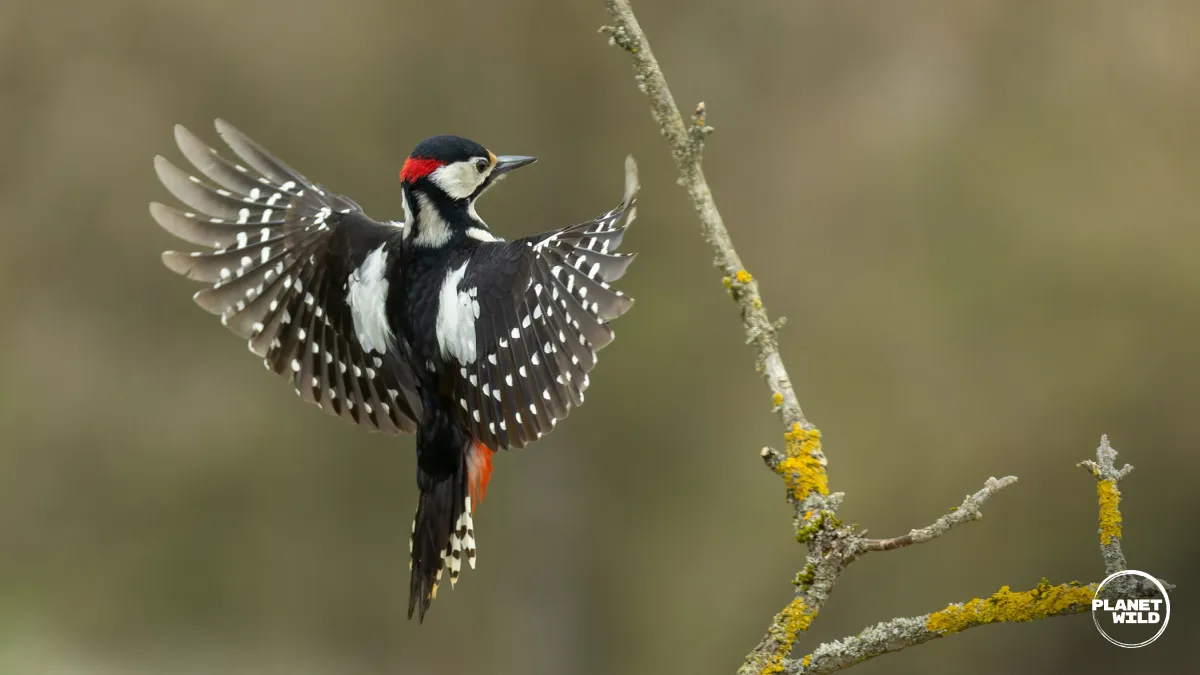
Once a hole has been abandoned, it becomes a refuge for other critters, such as squirrels, owls, and bats, who can’t create these cavities themselves. As a result, woodpeckers are often referred to as keystone excavators — if you remove them from a forest, you would lose the entire pipeline of secondhand housing that a whole community of other species relies on.
Why are ecosystem engineers important?
Through these real world examples, it’s fairly clear that ecosystem engineers are absolutely essential to many ecosystems across the world. They create the physical foundations — the ponds, burrows, reefs, forests — that countless other species depend on to survive, meaning their presence (or loss) doesn't just affect one corner of an ecosystem, but can ripple outward to reshape an entire community from the ground up.
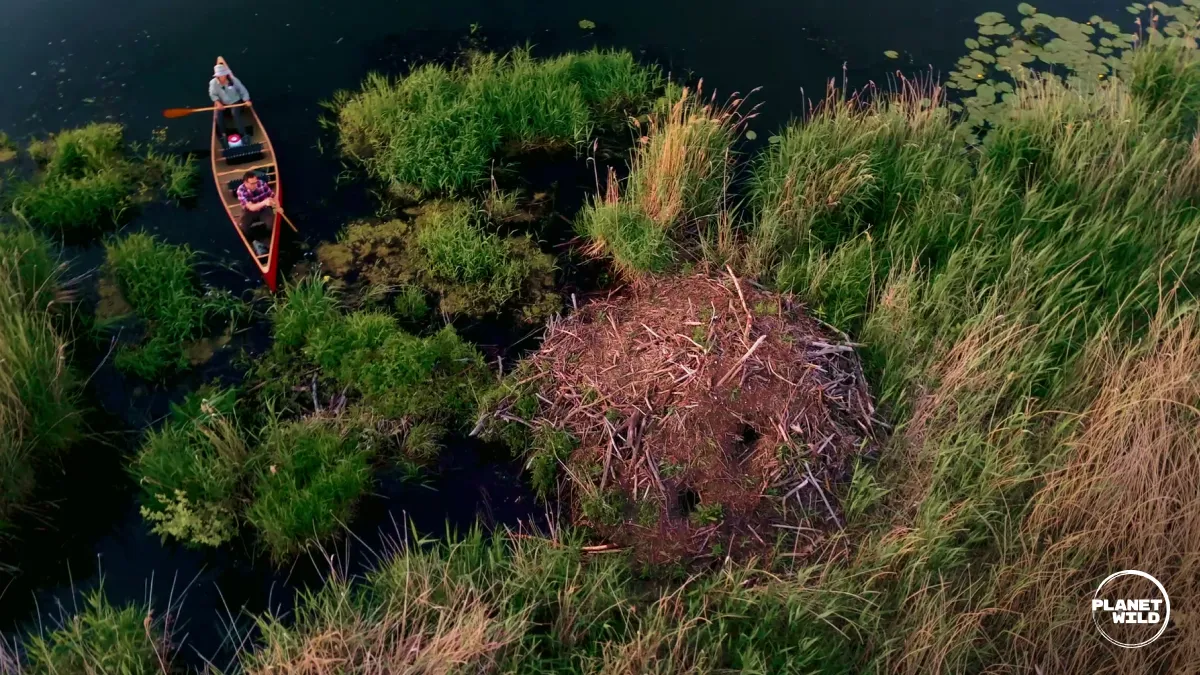
Beavers in particular are some of the most important ecosystem engineers in the world — often considered the second-best environmental engineer on the planet after humans given how much they transform their habitat. In fact, when it comes to creating dams, their engineerial skills blow us out of the water, and it’s almost impossible to replicate what they do naturally.
This is why in the latest Planet Wild mission, our community purchased a 20 hectare former fish farm, and with the help of our partners Rewilding Oder Delta, we plan to transform it into a wild ecosystem once again. The best part? We let the beavers do all the work. By doing what they do best, these special animals will turn this abandoned landscape into a beaver playground, and in the process rewild 400 hectares of surrounding land.
Ecosystem engineers are vital to the health of our planet, and need to be protected. They create the conditions for thousands of species to survive and thrive, and without them, entire food webs and habitats can unravel, as seen with the collapse of kelp forests, or the loss of vital wetlands once beavers disappear from a landscape. Protecting these species is one of the most efficient ways to ensure the survival of many millions of species.