How Phantom Forests threaten the future of tree planting

If you care about the state of our planet — and if you made it here, you probably do — you already know that trees matter. From the canopy to the forest floor, trees are one of nature's most powerful tools against climate change and biodiversity loss. Through our monthly missions and partnerships with companies like Ecosia, we're supporting grassroots organisations plant trees across the globe: all so we can pull excess carbon from the air, restore habitats, and give back what we've taken.
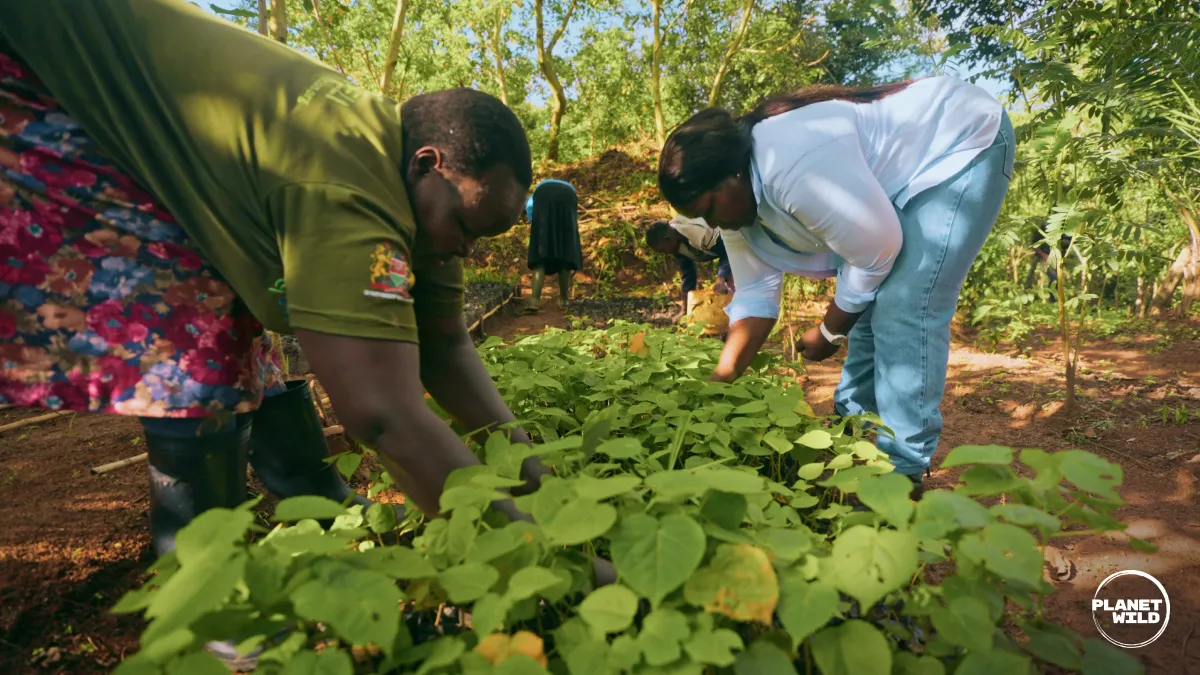
But this can only happen when tree planting is done right, and if we look at the data, there’s increasing evidence that shows that isn’t always the case. In this article we will examine the phenomenon of “phantom forests”, explore why so many tree planting projects fail, and what we can do to make sure they succeed.
What are phantom forests?
The term “phantom forest” is a fairly new one, and describes an anticipated forest that has failed to survive. It’s essentially what happens when forests are not planned or monitored before or after the initial tree-planting phase. Instead of the lush forests that are pledged and promised, what remains is an area where maybe a handful of trees have managed to survive. The area is then documented as reforested or restored but in real life, that’s not the case.
So how does this happen when tree planting is one of the most widely endorsed climate solutions on the planet? It’s often backed by governments, corporations, and NGOs who spend millions of dollars, but despite this, many of these trees never survive and some planting schemes do more harm than good.
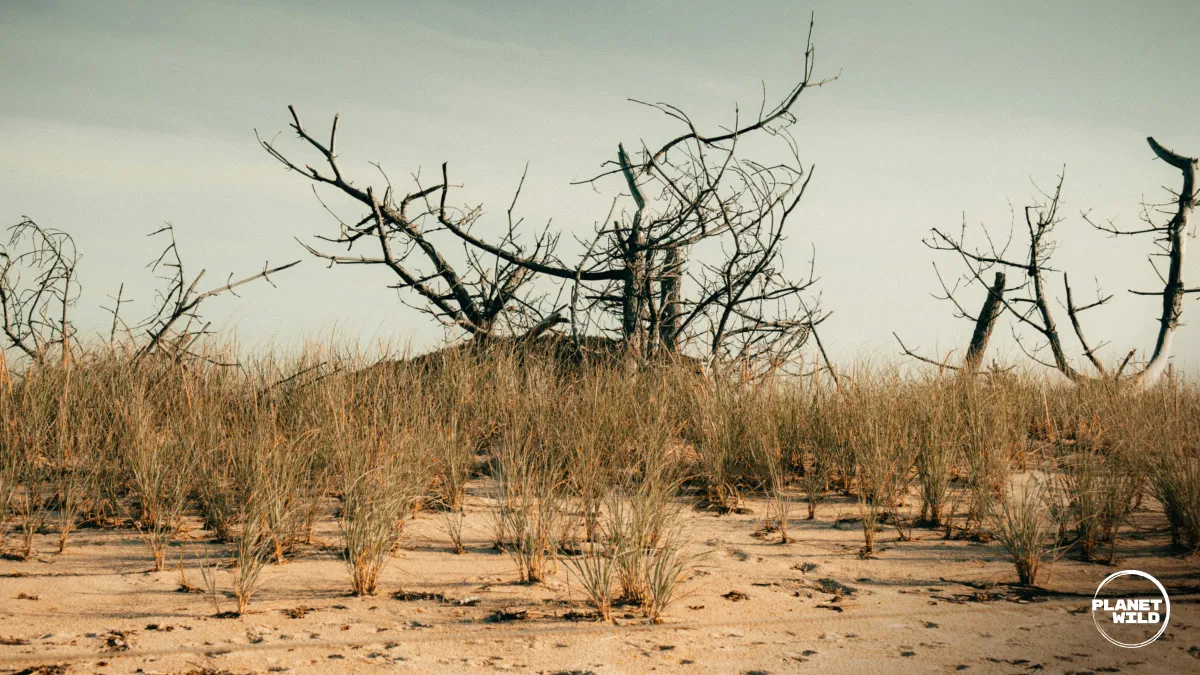
One of the most famous examples of this took place in 2019, when volunteers across 81 provinces in Türkiye planted 11 million trees through a government-backed initiative called Breath for the Future. The initiative was designed to combat climate change, tackle severe forest fires, increase green spaces, and boost environmental awareness. As part of this initiative, November 11 was declared National Afforestation Day.
A few months later, a survey conducted by Türkiye’s agriculture and forestry trade union found that up to 90% of the saplings inspected had died because they were planted at the wrong time of year, when there had also been insufficient rainfall. However, this is not the only example. Sri Lanka's ambitious mangrove planting program in 2004 yielded disappointing results, with a survival rate of less than 37%. The Philippines’ National Greening Program has also been considered a failure, because ministers imposed unachievable planting targets with little planning.
Why do tree planting projects fail?
Tree planting initiatives can fail for a number of reasons, because planting trees is not a simple or easy process. Phantom forests can occur for one of several of the following reasons.
Poor site selection
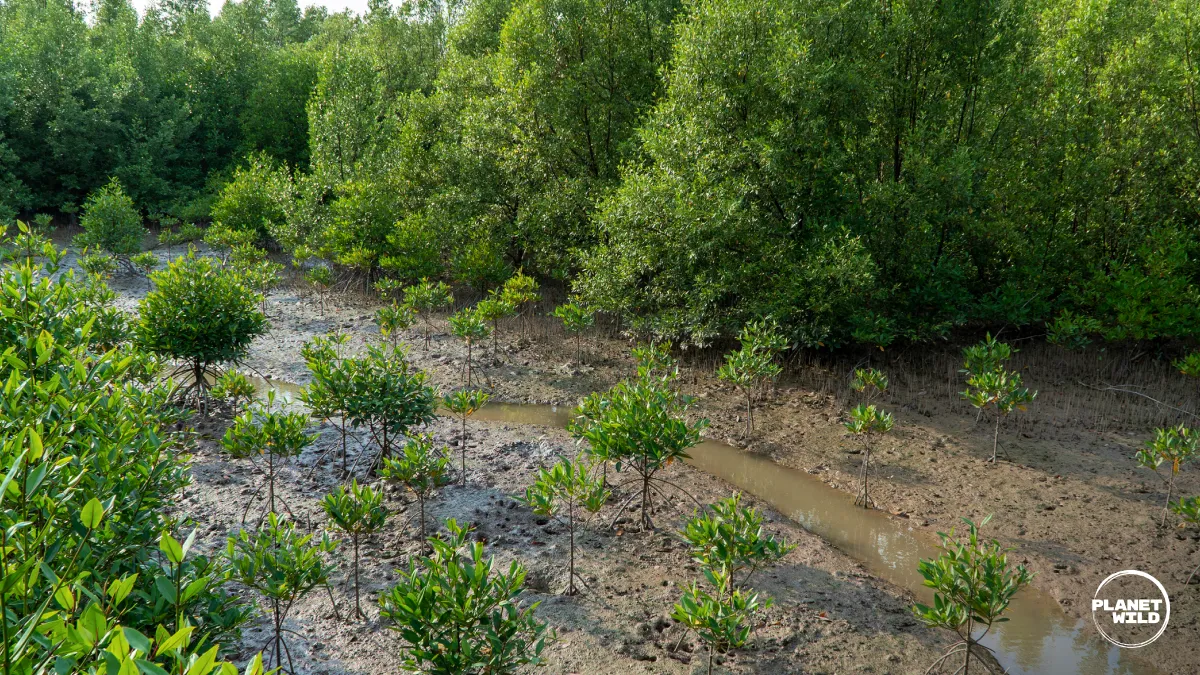
There’s a lot of work that goes into tree planting, and choosing the right area to plant your trees should be an early consideration. The best place to focus reforestation efforts are in areas where forests previously existed. Planting trees in areas that were never forests, like grasslands, savannas, or dry lands comes with a new set of problems, because those landscapes aren't degraded forest; they're distinct ecosystems in their own right — that’s why rewilding is so valuable, because it’s returning ecosystems to a state they were once before.
Lack of monitoring/neglect
In many of the infamous failed tree planting cases listed above, a large part of the problem was once the trees were planted, there was next to no follow up. While it would be ideal to simply plant the saplings and leave nature to do the rest, successful planting projects require on-going attention. The trees need regular check ins to make sure the saplings are getting enough water, animals aren't eating them, and that the chosen species are actually thriving in the local conditions.
Adjusting the approach based on what's working and bringing local communities into the process as genuine long-term stewards rather than one-day volunteers are all critical to the overall success of any tree-planting project.
Planting the wrong species
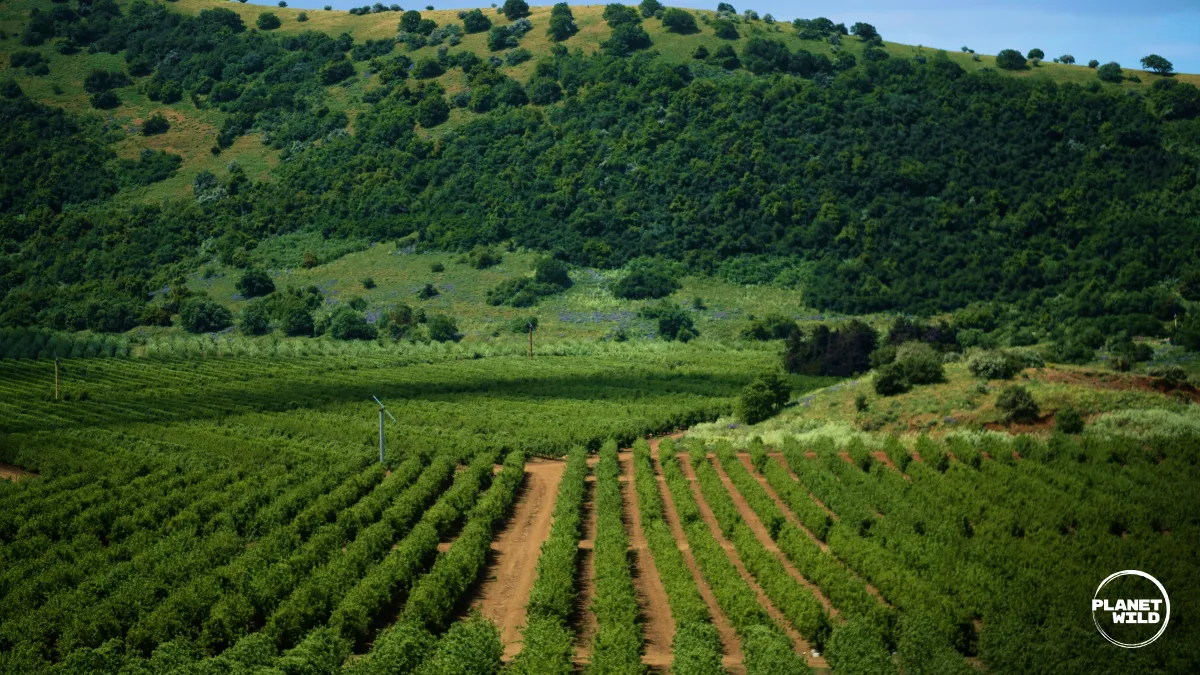
In the 1940s, mathenge (Neltuma juliflora) — a plant native to South America — was introduced in Kenya to tackle the country’s increasing desertification problem, with the idea being that it would provide tree cover and prevent soil erosion. But the shrub thrived in central Africa’s arid regions, wreaking havoc on the region’s biodiversity. Once planted, mathenge forms a dense canopy that stops other plants growing by blocking out light, and sucks moisture from the soil with its deep roots.
It’s a perfect example of the havoc incorrect tree planting can cause, and why extensive research and indigenous knowledge is necessary. The plant is still a huge problem in central Africa, and now all that can be done is to mitigate its growth.
Planting in the wrong season
If you have ever tried to grow vegetables or flowers on your balcony, you know that planting at the right time of year is critical to the success of your harvest. The same goes for tree planting, with the best time of year to plant being largely dependent on the local climate and the species involved. Planting at the wrong time, either in drought conditions, extreme heat, or frozen ground, is one of the more easily avoidable reasons tree planting projects fail
Why does this matter?
Phantom forests are a problem for a number of reasons. Most obviously, they waste enormous amounts of money, and could have been used to fund projects that actually work. But perhaps more damaging in the long run is the erosion of public trust they leave behind. When a high-profile planting initiative fails, it becomes harder to rally support, attract donors, and convince governments to back future efforts, even well-designed ones. When skepticism spreads, legitimate conservation work often pays the price.
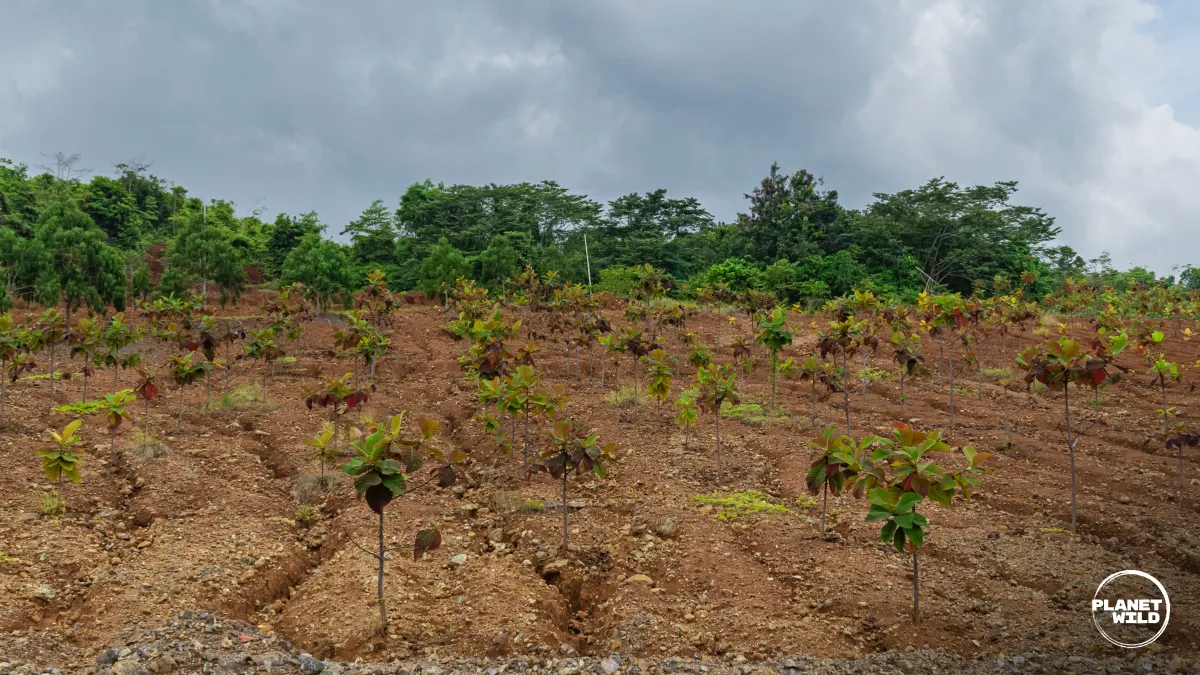
There's also the question of ecological harm. It might seem like a failed tree planting project is simply a neutral outcome — the trees died, and nothing changed — but that's rarely the case. Introducing the wrong species can crowd out native plants, disrupt local food webs, and alter soil chemistry in ways that make natural regeneration harder. In some cases, badly planned projects have left ecosystems in worse shape than if nothing had been done at all.
When tree planting is done right, however, it’s a highly effective solution to tackling our changing climate and loss of biodiversity. Forests are crucial for the health of the planet; they cycle water, clean our air, shield us from natural disasters, and are home to billions of plants and animals. In many cases, planting trees in order to regenerate forest ecosystems has proven to be one of the most powerful tools we have for restoring landscapes that have been degraded by agriculture, logging, or urban sprawl.
How can tree planting initiatives succeed?
While there is no one-size-fits-all approach to tree planting, it’s clear that much of the failure stems from lack of research and lack of long-term monitoring.
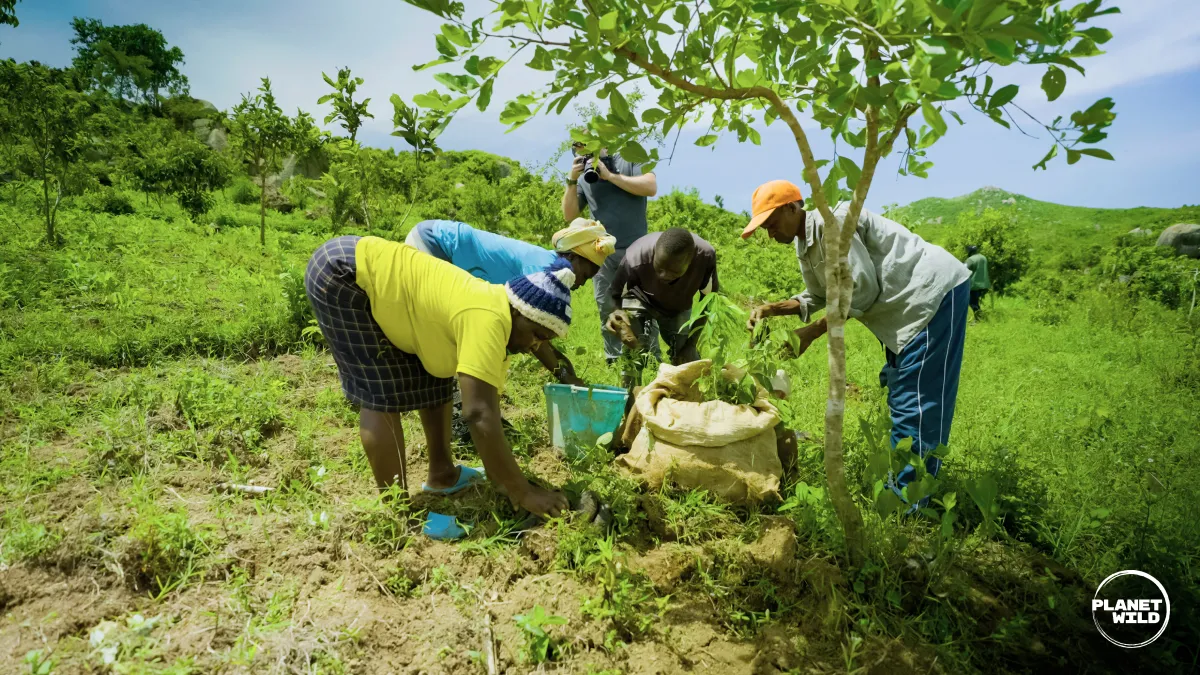
Brazil's Atlantic Forest Restoration Pact (PACTO) is a perfect example of forest restoration done right. Since its founding in 2009, the project has restored 15 million hectares of native Atlantic Forest. What sets it apart is its emphasis on native species and ecological function over sheer numbers. Rather than quickly planting fast-growing monocultures, the program is rebuilding complex, biodiverse forest ecosystems that can sustain themselves over time. In the last decade, restored forest cover increased by 10–20%, wildlife is returning, and local communities are beginning to benefit from the goods and services a healthy forest provides.
And in some other parts of the world, evidence has proved that planting trees isn’t even the best approach at all. In some regions of central Africa, native trees are naturally resilient to the dryer climate, with roots that run deep underground, so by simply letting the plants regrow in a process called Farmer Managed Natural Regeneration (FMNR), we can achieve a far higher success rate than planting new saplings. This is an example of how important it is to understand the climate, location, and soil of your reforestation efforts, to give it the best possible chance at success.
When you have the right tools and community support, you can guarantee success. This is what happened in Old Bonjoge, a forest just a stone’s throw from Lake Victoria. For years, locals have noticed how the rocks on the hillside seem to be “growing,” but what sounds like a strange natural phenomenon is actually caused by deforestation. Without trees to stabilize the ground, the soil literally washes away during storms, exposing more and more of the rocks. This leads to flash floods which threaten lives, destroy infrastructure and carry argricultural chemicals into Lake Victoria.
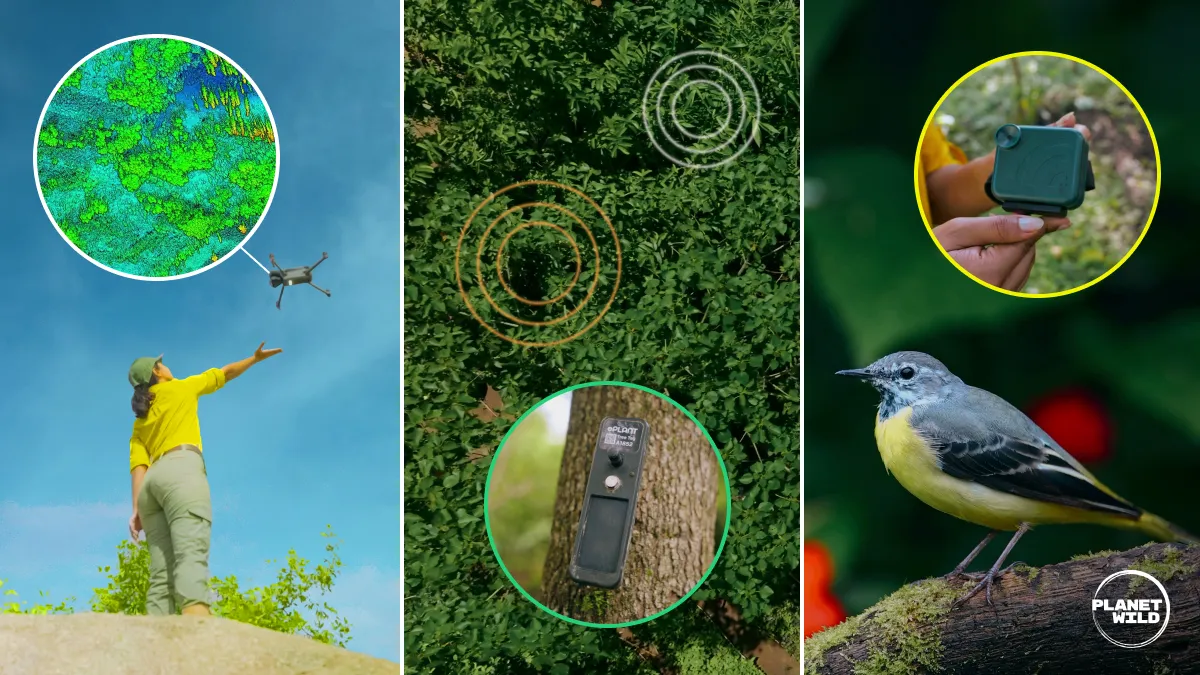
In this forest, our parter veritree and their partner, EarthLungs, using cutting-edge tech to make sure this forest thrives. Using EarthLungs’ indigenous knowledge of the forest and veritree's tracking and verification technology, the trees are logged, tracked, and monitored to ensure survival in the long term, which will continue to transform the area back into a healthy, thriving forest.
Phanton forests are not just a problem for the environment, but they undermine the enormous impact successful tree planting projects can have — both for local communities and on a broader ecological scale. It’s important to see the forest as a whole, and not just focus on breaking ground for seedlings with no monitoring or research. When done right, the results are transformative and guarantee tree planting as an invaluable tool in the fight against deforestation, climate change, and the biodiversity crisis.