

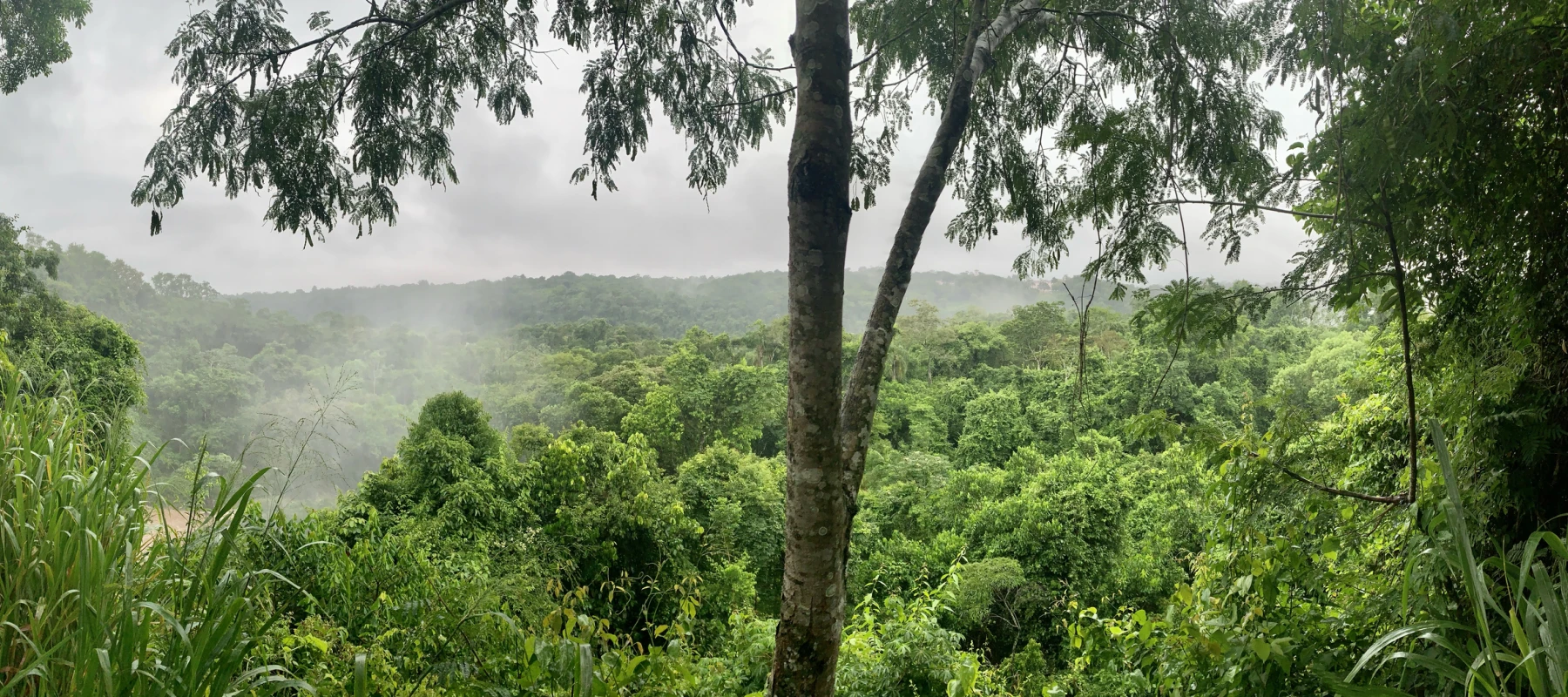
We’re flying a jaguar across Argentina to help rebuild a population
There are only 200 to 250 jaguars left in Argentina, living in small, isolated groups that can't reach each other. Cut off like that, their gene pool shrinks, and over generations, that raises the risk of disease and can wipe out a population entirely. Mimbi, a 20-month-old jaguar born wild in the wetlands of Iberá National Park, could help change that. To strengthen the species, we're translocating her by plane to El Impenetrable, a region where introducing new genes is critical to saving the local jaguar population from inbreeding and extinction.
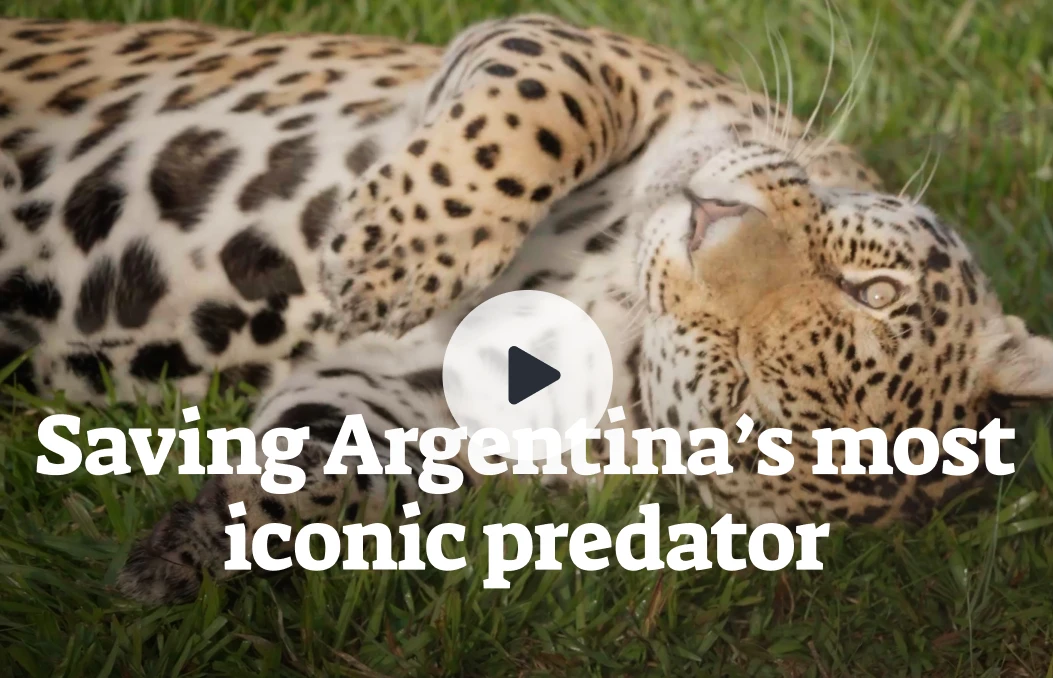
The mission
Moving a wild animal across a country may sound extreme, but translocations like this are vital in conservation. Every year, tens of thousands of animals are carefully moved to places where they have a better chance of surviving, reproducing and strengthening isolated populations. That is exactly what Mimbi’s journey was designed to do. To run this operation, we’re partnering with Rewilding Argentina, the organization leading jaguar conservation in the region. Their efforts have already achieved something remarkable. Jaguars were locally extinct in Iberá until 2021, when Rewilding Argentina released the first female jaguar to roam the area freely in over 70 years. Since that first release, they've recorded over 50 wild jaguars here.
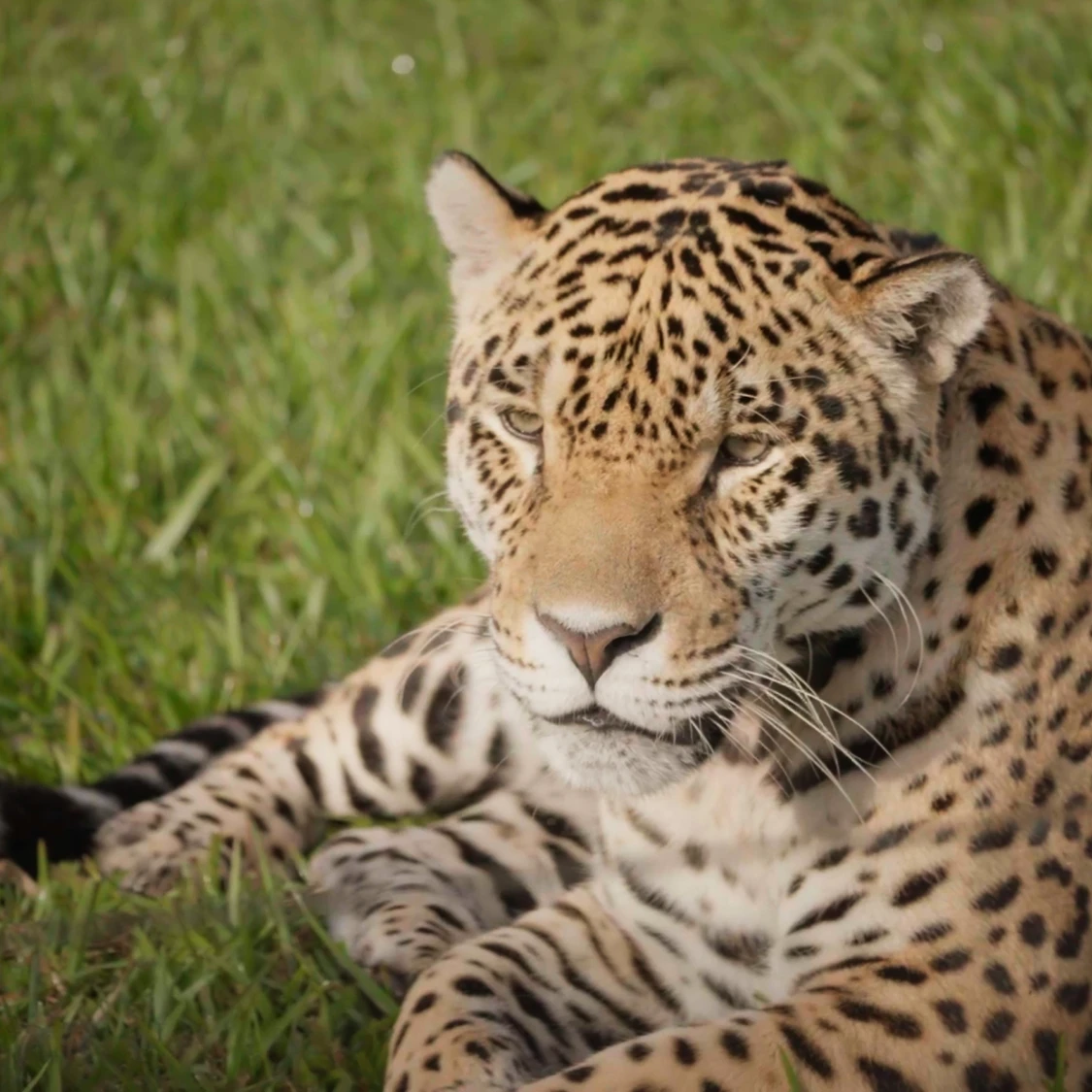
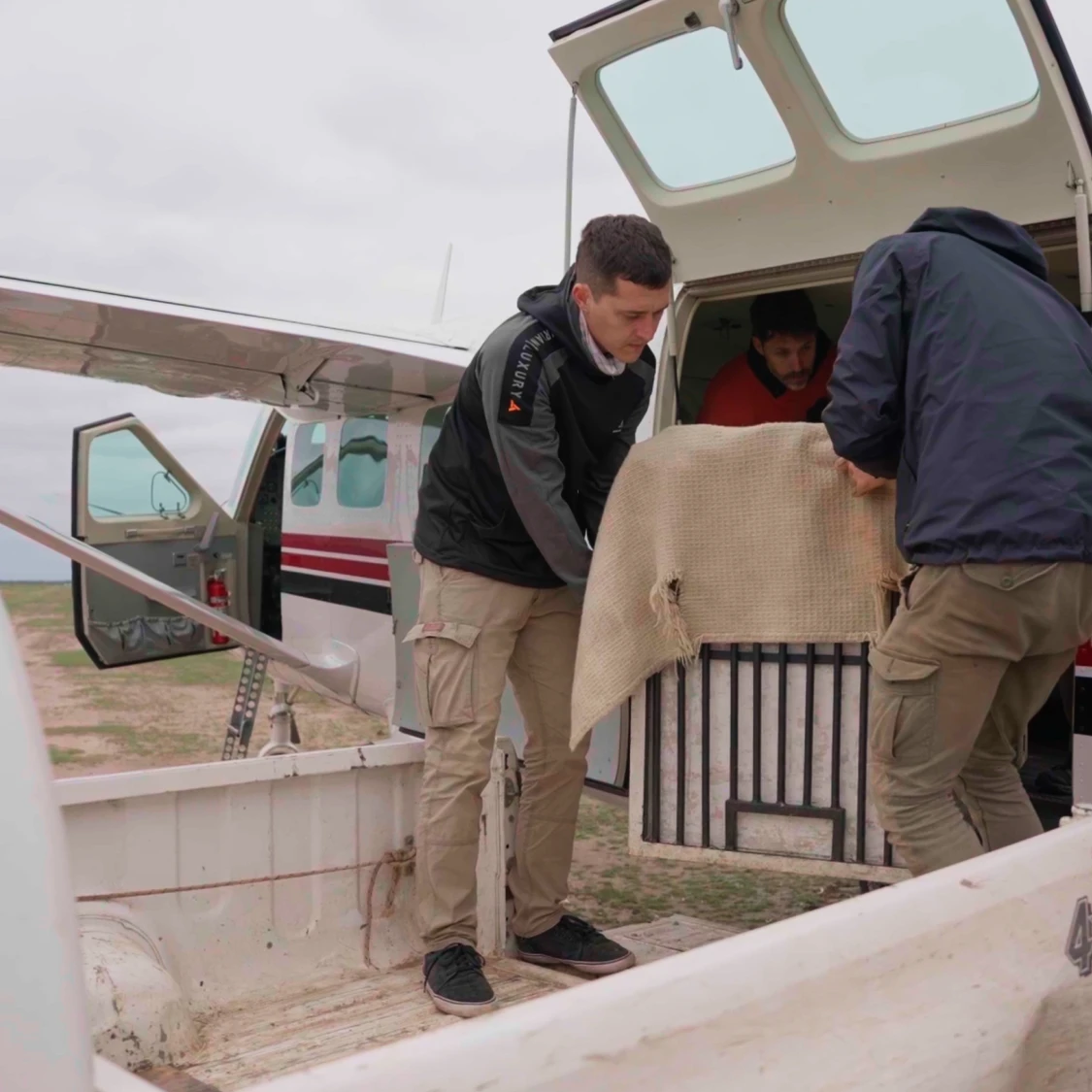
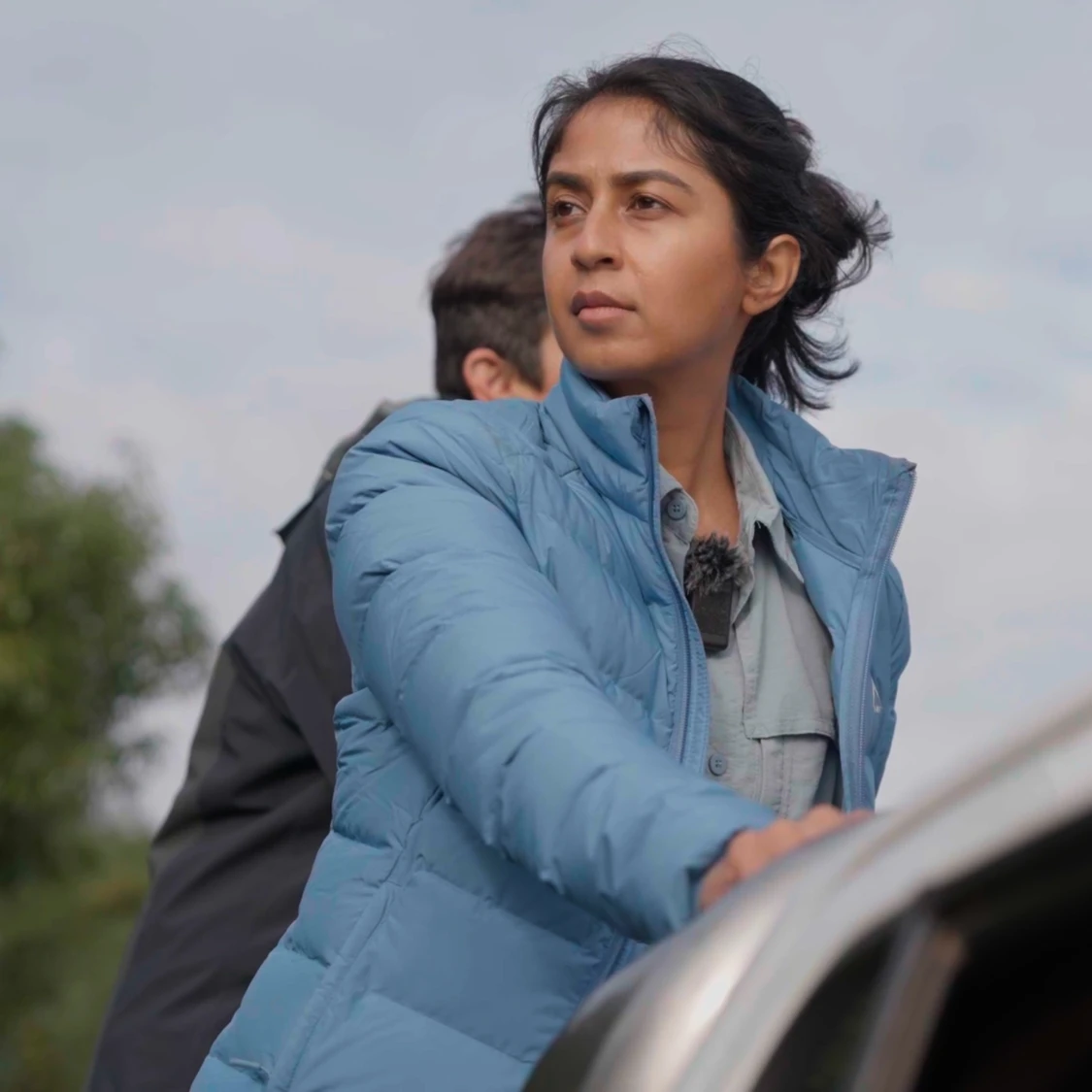
But there is one major challenge: no sedation since anesthesia can be dangerous and unpredictable for a jaguar her size. To keep the stress at a minimum, the team has less than 15 hours to get her across the country and into her new home. With the support of the Planet Wild community, we funded Mimbi’s relocation, staff salaries in Iberá and El Impenetrable, GPS collars to track released jaguars, and work with local communities to protect livestock and build acceptance as the jaguar population grows. Mimbi's journey is part of a bigger plan: linking the isolated populations by creating a safe, continuous corridor along the waterways in the South American region, so jaguars can move and mix on their own.
What we achieved
Ideal outcome


.png)


Our Partner
Guadalupe is the Community Program Coordinator at El Impenetrable National Park. With a degree in Natural Resources, she began her conservation career as a volunteer in 2021. She now works across community engagement, conservation and local development. Pablo is the Reintroduction Center Coordinator at Iberá Park and a wildlife conservation field technician. Along with extensive field experience with jaguars and pumas in Argentina, he has also worked with Malayan sun bears in Indonesia and Iberian lynx in Spain.
Our Partner
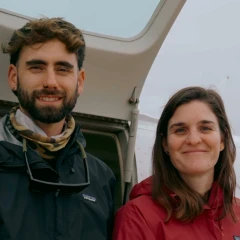
Guadalupe is the Community Program Coordinator at El Impenetrable National Park. With a degree in Natural Resources, she began her conservation career as a volunteer in 2021. She now works across community engagement, conservation and local development. Pablo is the Reintroduction Center Coordinator at Iberá Park and a wildlife conservation field technician. Along with extensive field experience with jaguars and pumas in Argentina, he has also worked with Malayan sun bears in Indonesia and Iberian lynx in Spain.