

We’re reconnecting the North American wild
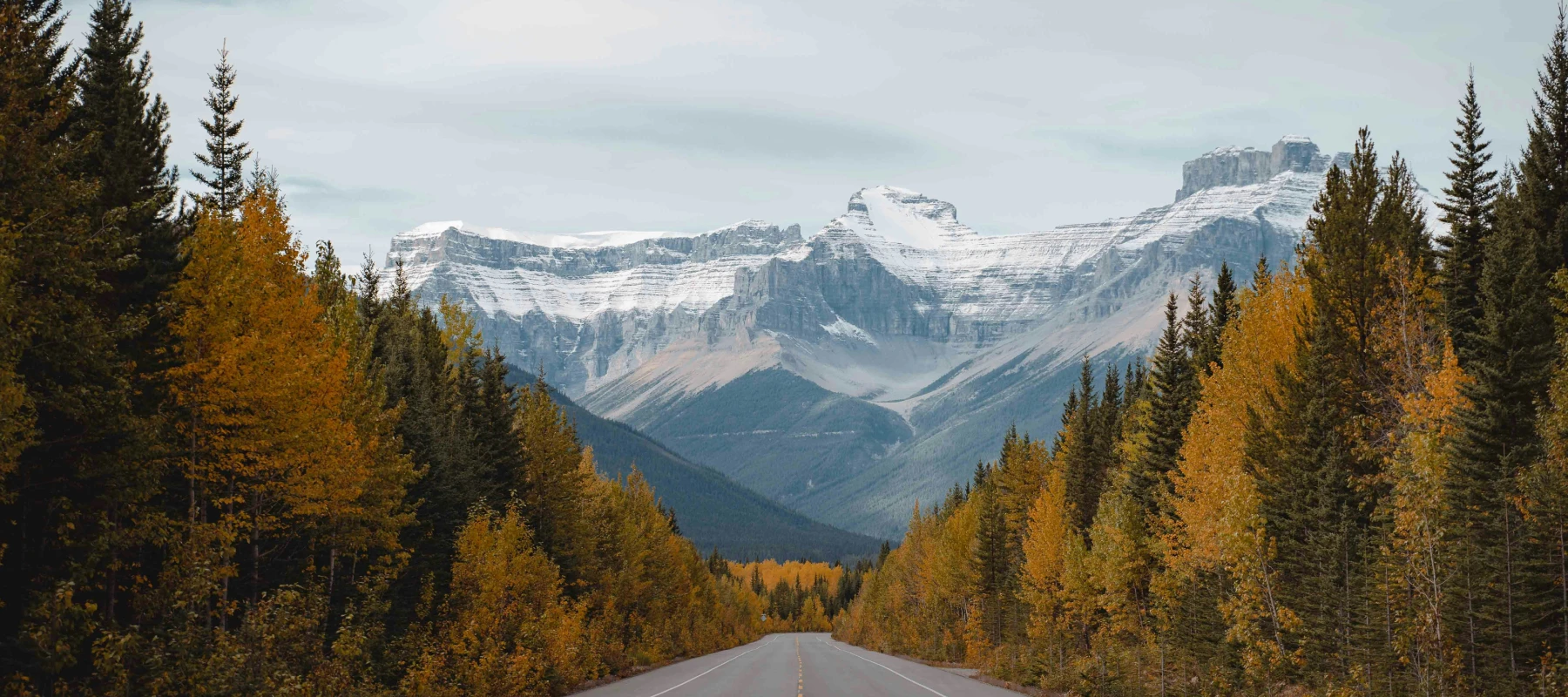
For centuries, wildlife moved freely across the Rocky Mountains, the largest mountain range in North America. Grizzlies used to be found all the way from the Arctic Circle to Mexico. But now highways, railroads and human infrastructure have carved up the landscape. The range of grizzly bears has shrunk to just a small corner of North America, and many wildlife populations have been separated. With smaller gene pools, they’re more vulnerable to environmental changes and diseases. The world has become smaller and more dangerous for wildlife as they navigate through constant barriers. Every year in the US alone, there are at least 2 million collisions with animals, claiming countless lives and costing 8 billion dollars in damages and emergency costs. That’s why the Planet Wild community teamed up with Yellowstone to Yukon (Y2Y) in a massive effort to build one of the biggest wildlife corridors in the world, the Yellowstone to Yukon region.
The mission
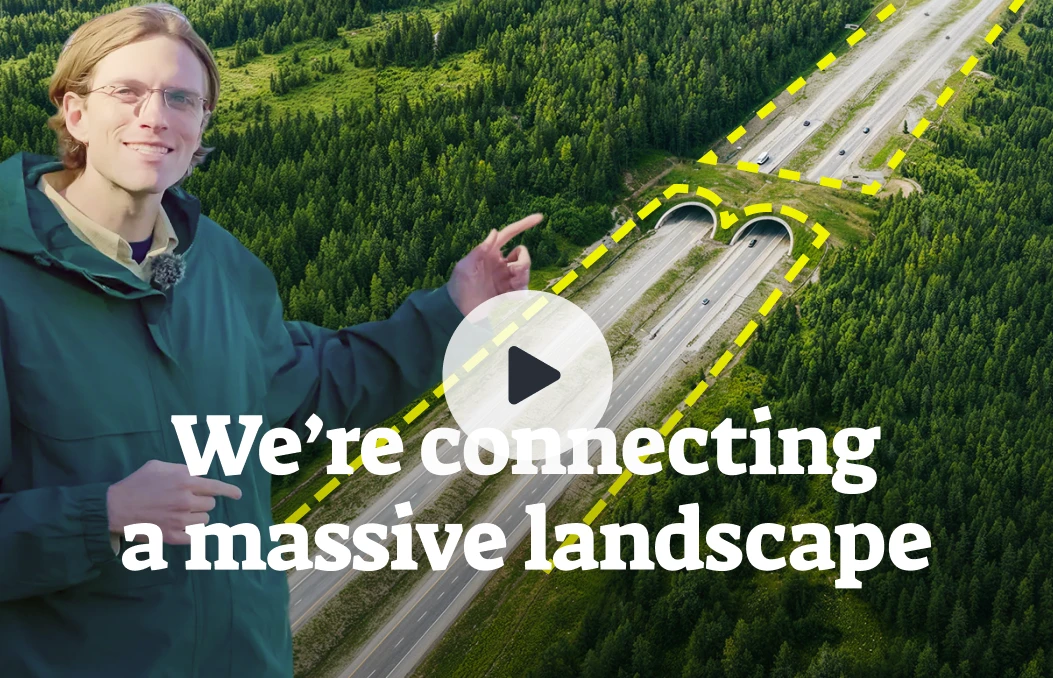
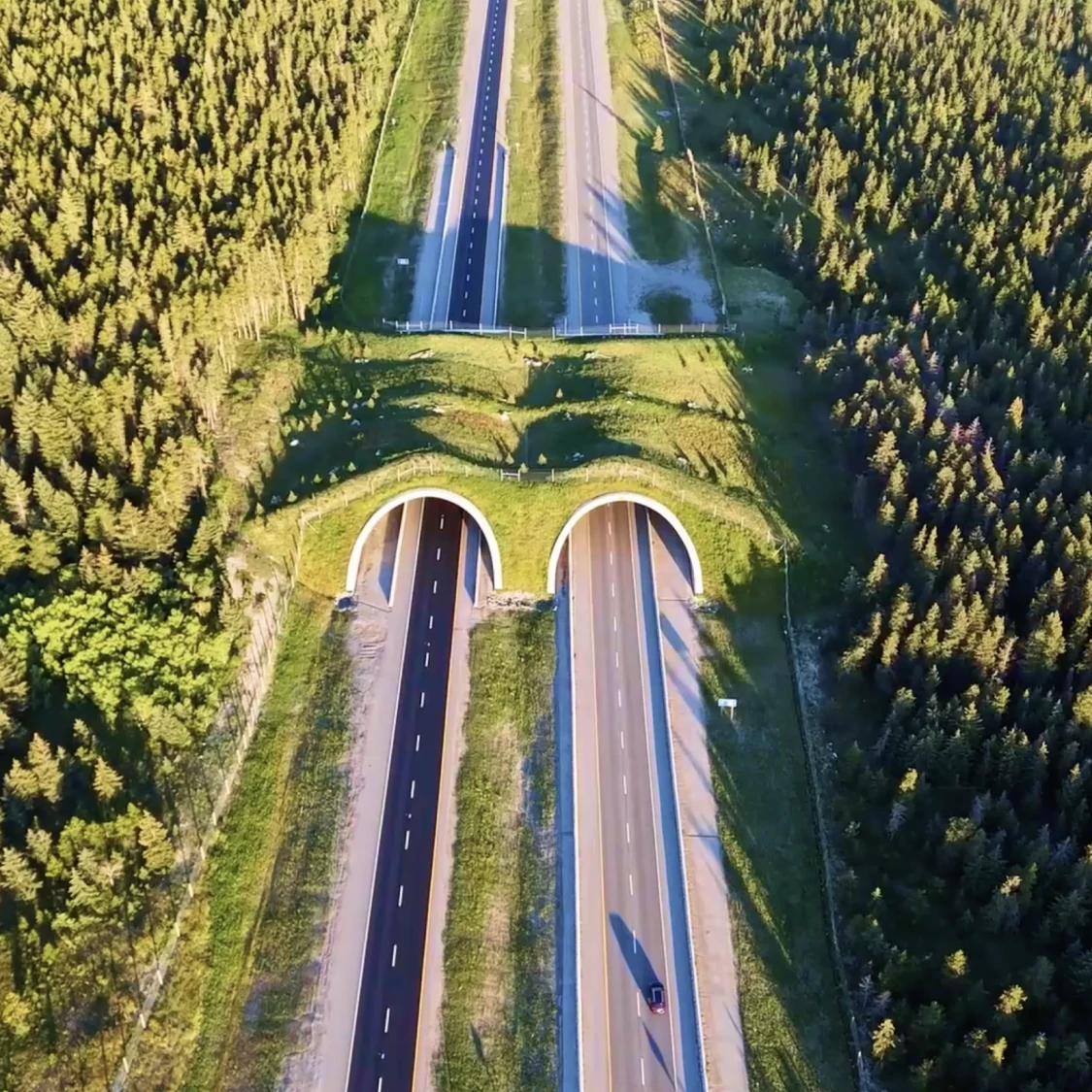
Instead of removing roads, the solution is to redesign them. A hidden network of tunnels, fencing systems and wildlife bridges has started to reconnect over 100 protected areas within this region. This network will link separated populations and allow animals to move safely once again. Some crossings look like forested overpasses carrying thousands of tonnes of soil and native plants. Others are underpasses beneath highways, tunnels for toads or even tiny passageways designed specifically for salamanders. Where implemented, these crossings reduce wildlife collisions by over 90%, and more than 200 have already been built. But along Highway 3 in Alberta, Canada, a critical gap remains. The road blocks wildlife movement from both north to south and east to west, separating two grizzly bear populations. Reconnecting them requires careful planning to ensure the crossings are placed where animals actually move.
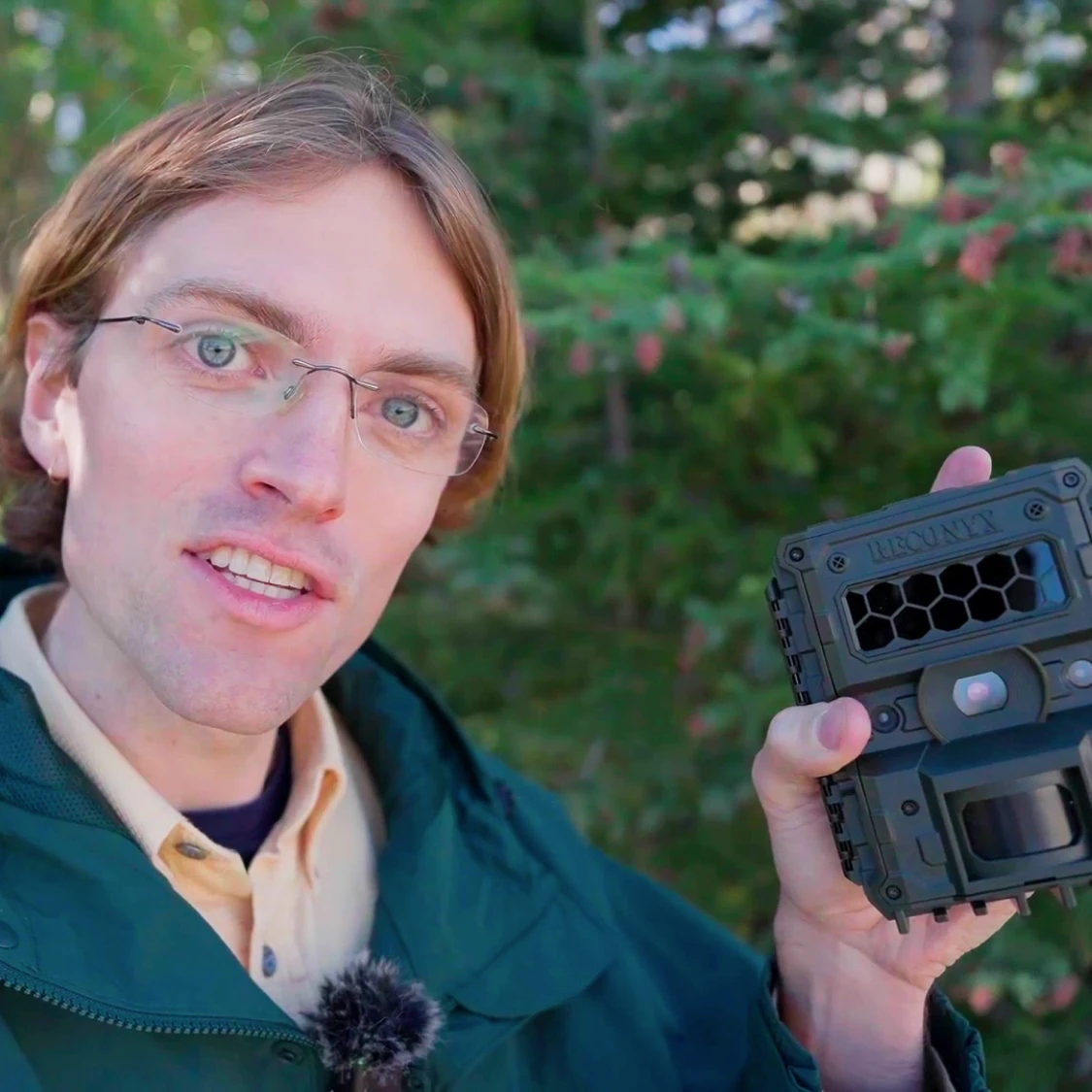
That planning depends on hard data. Big infrastructure projects like this take extensive bureaucracy, government permits and a huge amount of public funding. None of that happens without evidence. That’s where Planet Wild comes in. With the support of our community, we’re funding six trail cameras and 15 GPS wildlife collars to support the Highway 3 project. The cameras show how effective certain crossings are for different species and the GPS data reveals the critical places where new crossings should be built. This information is essential for planning future crossings and shaping a landscape where highways and towns no longer divide nature and wildlife can move freely again.
What we achieved
Ideal outcome


.png)


Our Partner
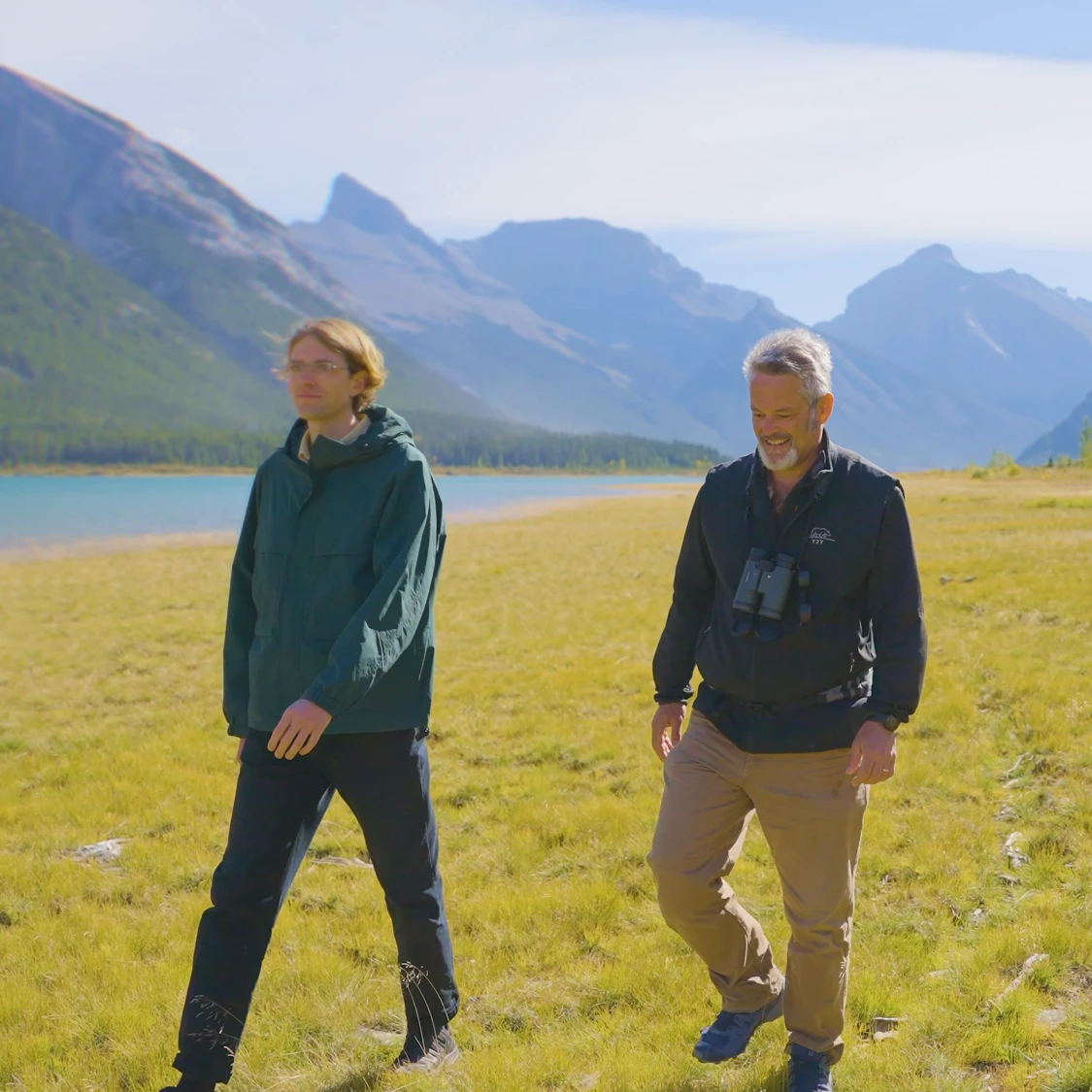
Bill Hunt is the Senior Director of Conservation Programs at Y2Y and a conservation leader with decades of experience across Canada’s most iconic national parks. Starting as a park warden, he has spent his life protecting wildlife. He has now led large-scale restoration, wildlife coexistence, and protected-area initiatives across complex landscapes.
Our Partner
Bill Hunt is the Senior Director of Conservation Programs at Y2Y and a conservation leader with decades of experience across Canada’s most iconic national parks. Starting as a park warden, he has spent his life protecting wildlife. He has now led large-scale restoration, wildlife coexistence, and protected-area initiatives across complex landscapes.