

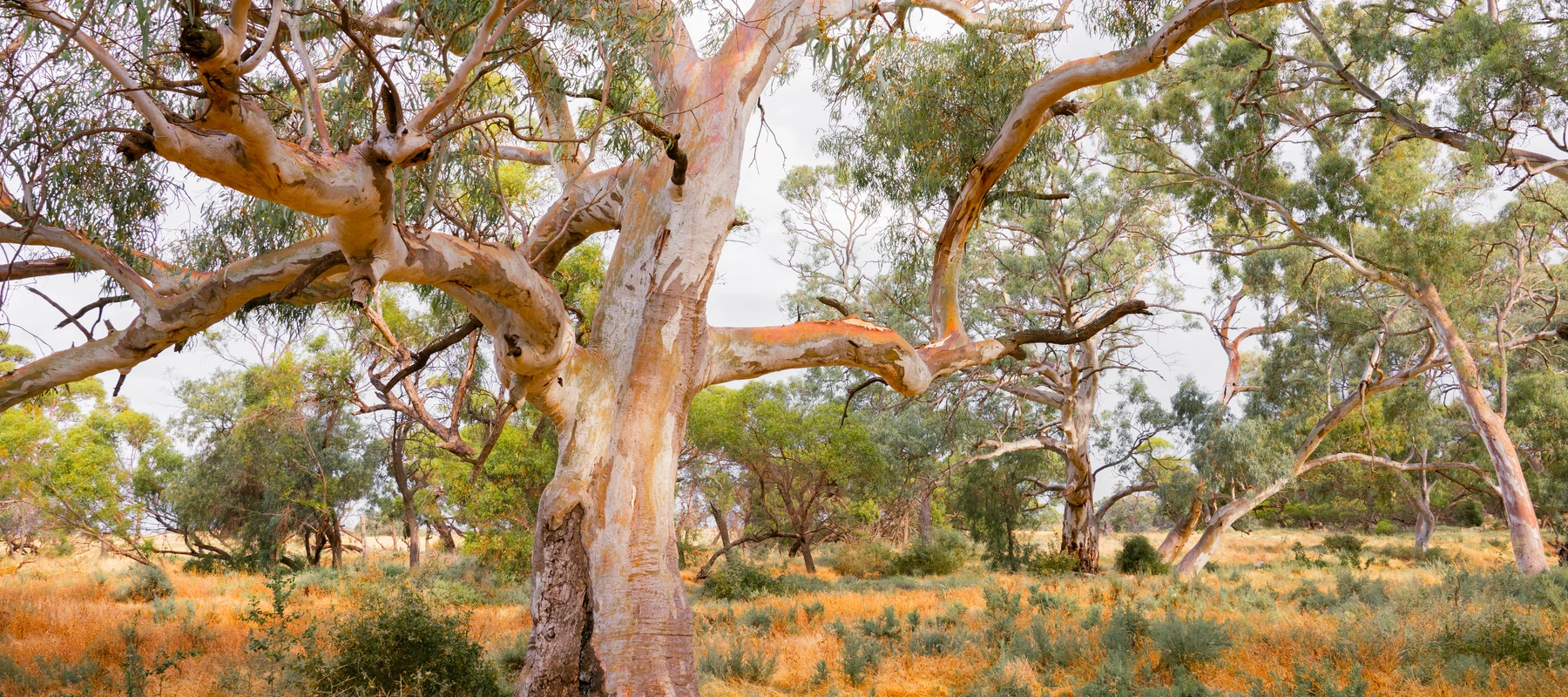
We’re bringing back Australia’s lost ecosystem
Before colonization, much of Australia was not “wild” in the way Europeans imagined it. With knowledge going back tens of thousands of years, First Nations people purposefully cultivated the land. They used a technique called firestick farming. By assessing the wind, humidity, and weather patterns, they created controlled burns that cleared unwanted vegetation. Over the years, this created a “mosaic habitat,” a patchwork of environments at different stages of fire recovery, where people, plants, and animals could thrive together. But during colonization, the British brutally cleared the land, displaced and warred with First Nations people, pushed native wildlife to the brink, and turned vast stretches of living landscape into empty farmland.
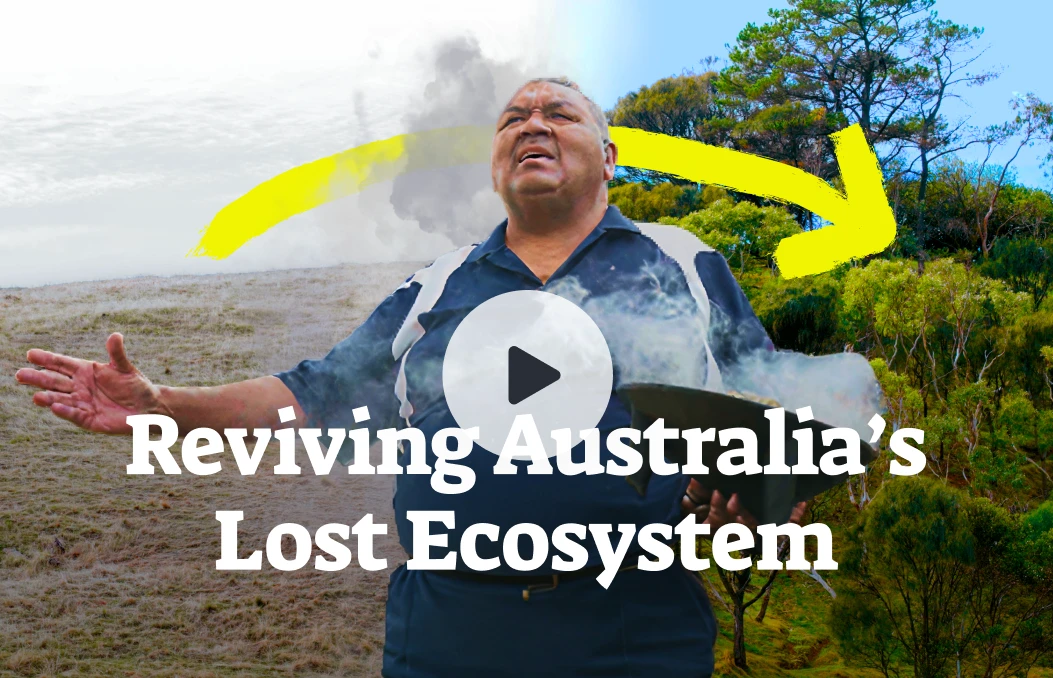
The mission
In South Australia, the Forktree Project is working to bring these lost ecosystems back. Guided by the First Nations community and led by climate scientist and explorer Tim Jarvis, the project is transforming the land back into the paradise it once was. To kick off the project, Tim sat down with First Nations elders to understand exactly which plants once shaped this place, and how they could be restored. Now, the team is restoring and protecting critically endangered native plants in a rare seed orchard, growing them in specialist nurseries before planting them in the wild. And this is only the beginning. As a pilot project, Forktree’s learnings will be shared with Indigenous rangers, helping support the restoration of potentially thousands of hectares.
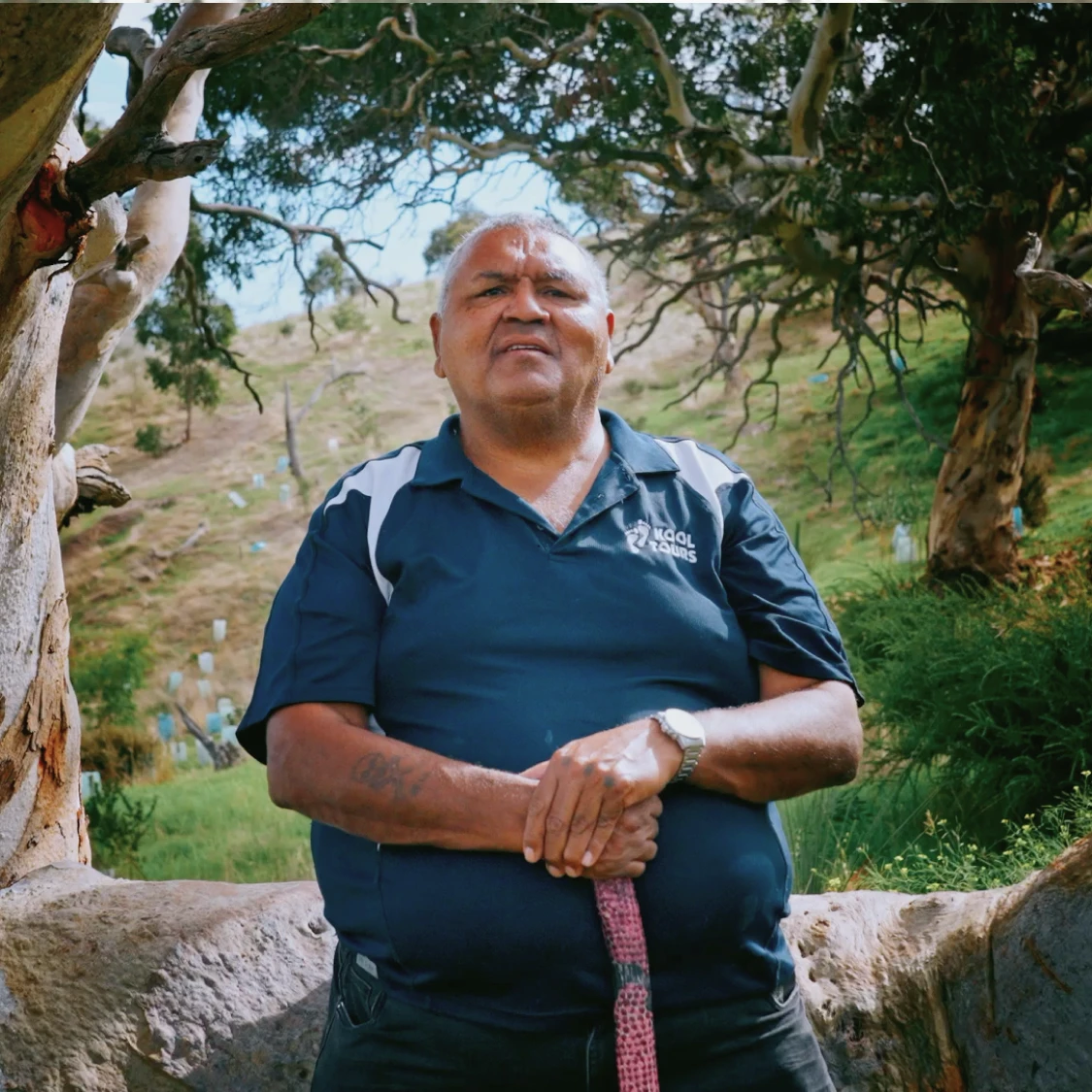
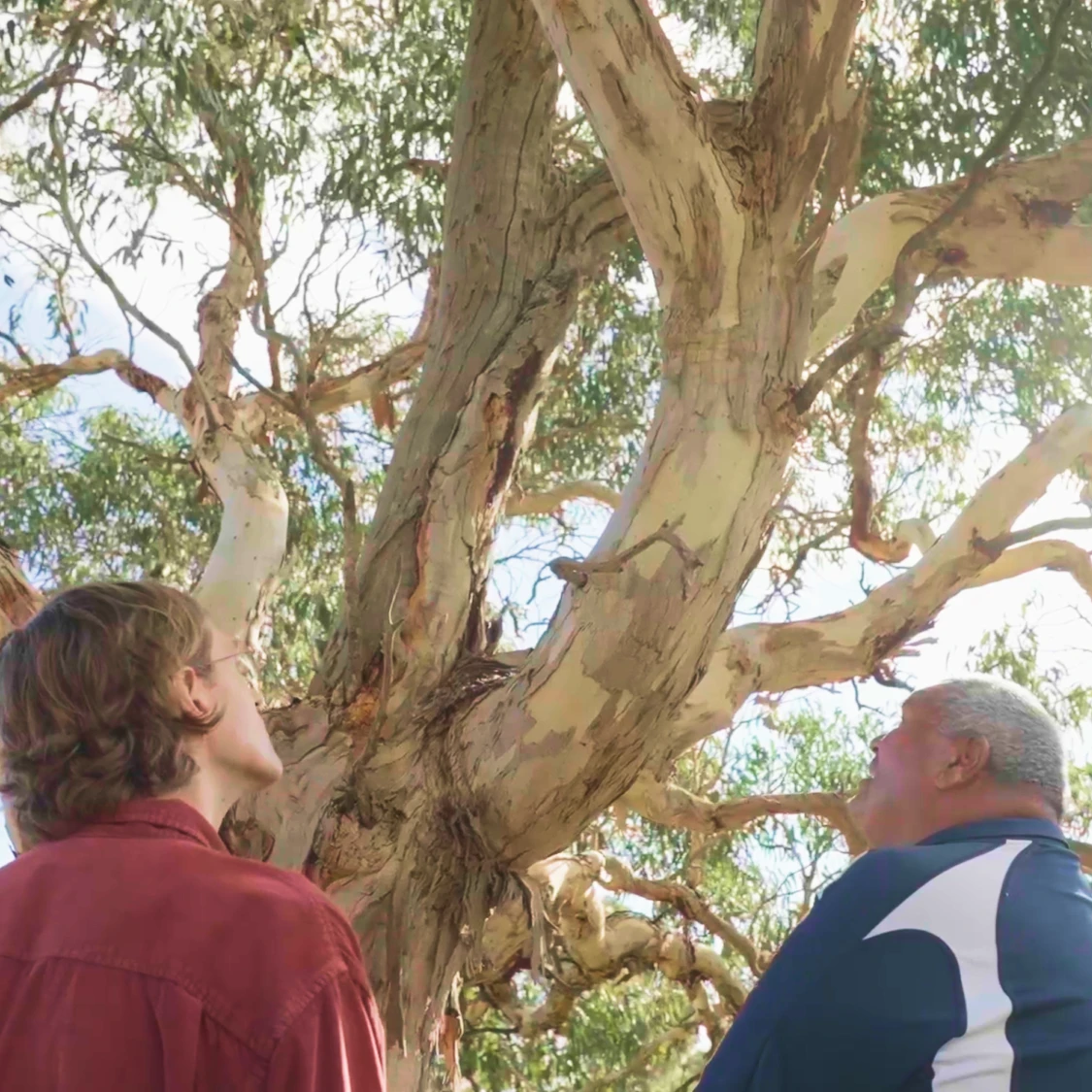
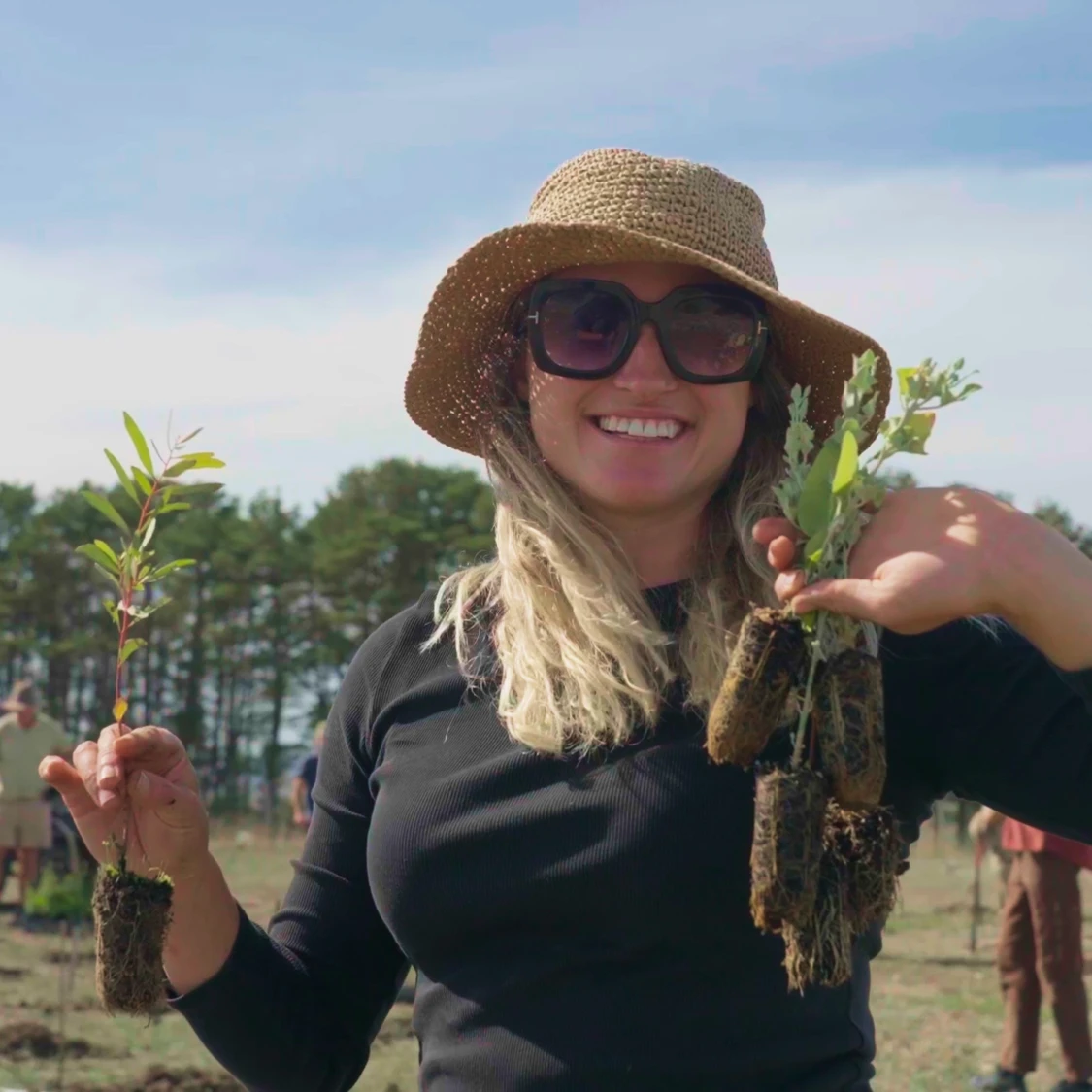
The Planet Wild community is now part of this restoration. We’re funding the protection of 15 rare and culturally significant plant species in Forktree’s rare seed orchard. For each of these species, 10,000 saplings will be produced, creating 150,000 new plants. And we’re funding the restoration of 10 hectares of land with 10,000 native trees, carefully planted and monitored so they can survive long term. The goal is to restore a landscape that can once again function and thrive the way it did for thousands of years.
What we achieved
Ideal outcome


.png)


Our Partner
Tim Jarvis is an environmental scientist and explorer with more than 30 years of experience in both areas. He holds a Masters degree in environmental science and environmental law and has received numerous awards and nominations for his work. For example, he’s been voted Conservationist of the Year in 2016 by Australian Geographic Society. In 2019, he began the Forktree project to transform degraded farmland in South Australia to the paradise it once was before colonization.
Our Partner
Tim Jarvis is an environmental scientist and explorer with more than 30 years of experience in both areas. He holds a Masters degree in environmental science and environmental law and has received numerous awards and nominations for his work. For example, he’s been voted Conservationist of the Year in 2016 by Australian Geographic Society. In 2019, he began the Forktree project to transform degraded farmland in South Australia to the paradise it once was before colonization.