

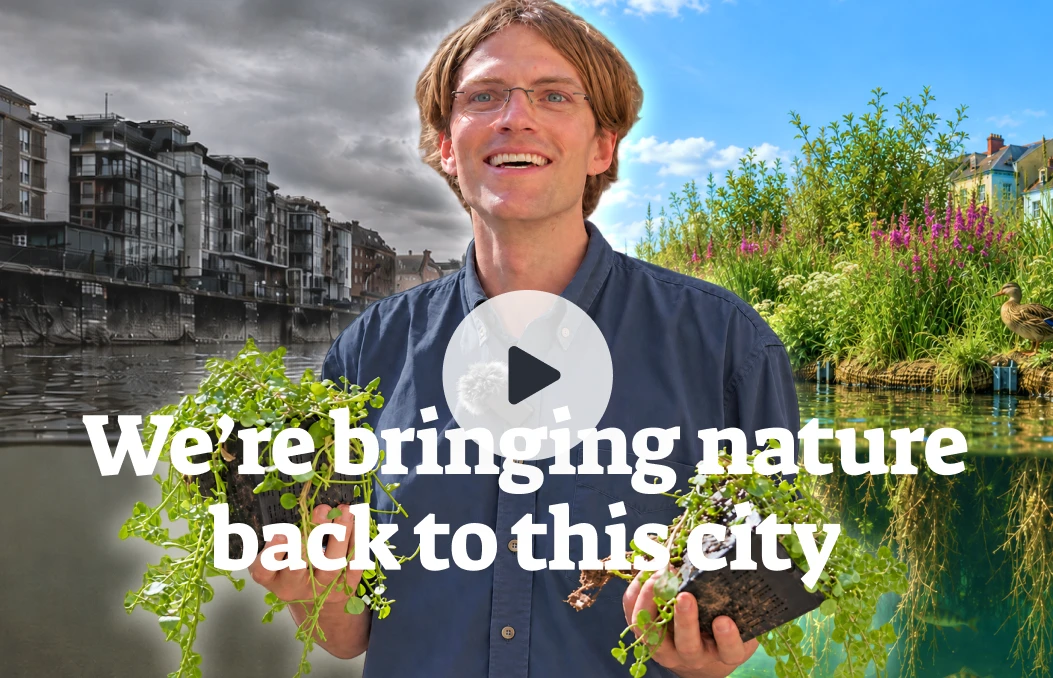
We’re bringing nature back to the city
More than half of the global population lives in cities. Many of these places have one thing in common: they’re built on water. But then we built huge drainage networks to remove the water, and paved over the land so we could live there. Unfortunately, this has led to some problems like increased flood risks and more water pollution. It turns out wetlands aren’t just important for wildlife, they also keep temperatures and water levels stable. That's why all over the world, people are bringing wetlands back into our cities.
The mission
In Bristol, that’s exactly what our partner WWT is doing. They’re creating pockets of biodiversity all over the city by replacing old drainage systems with lush gardens, installing micro wetlands in backyards and creating floating wetlands in the harbor. They are also working together with the city to establish a wetland-first planning policy.
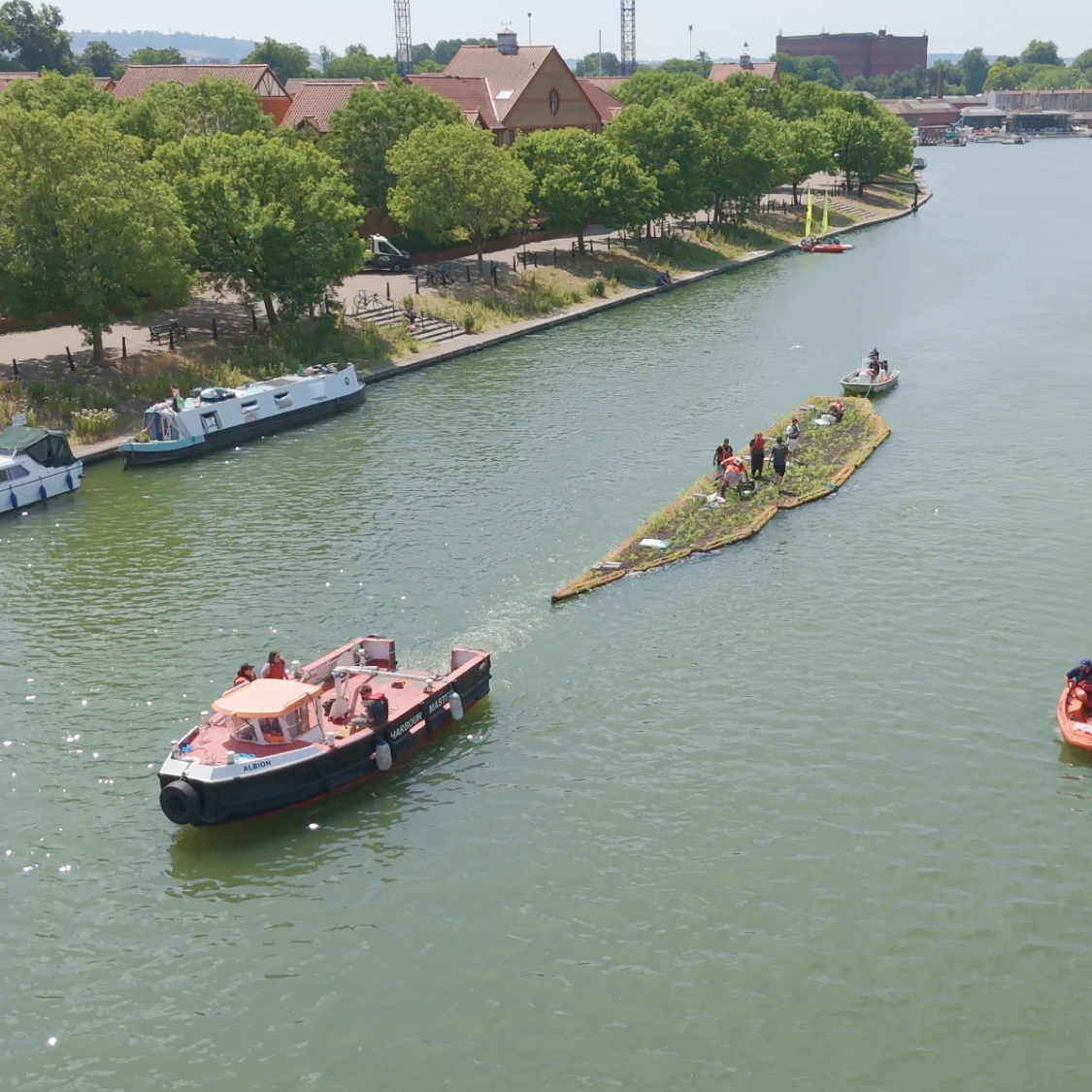
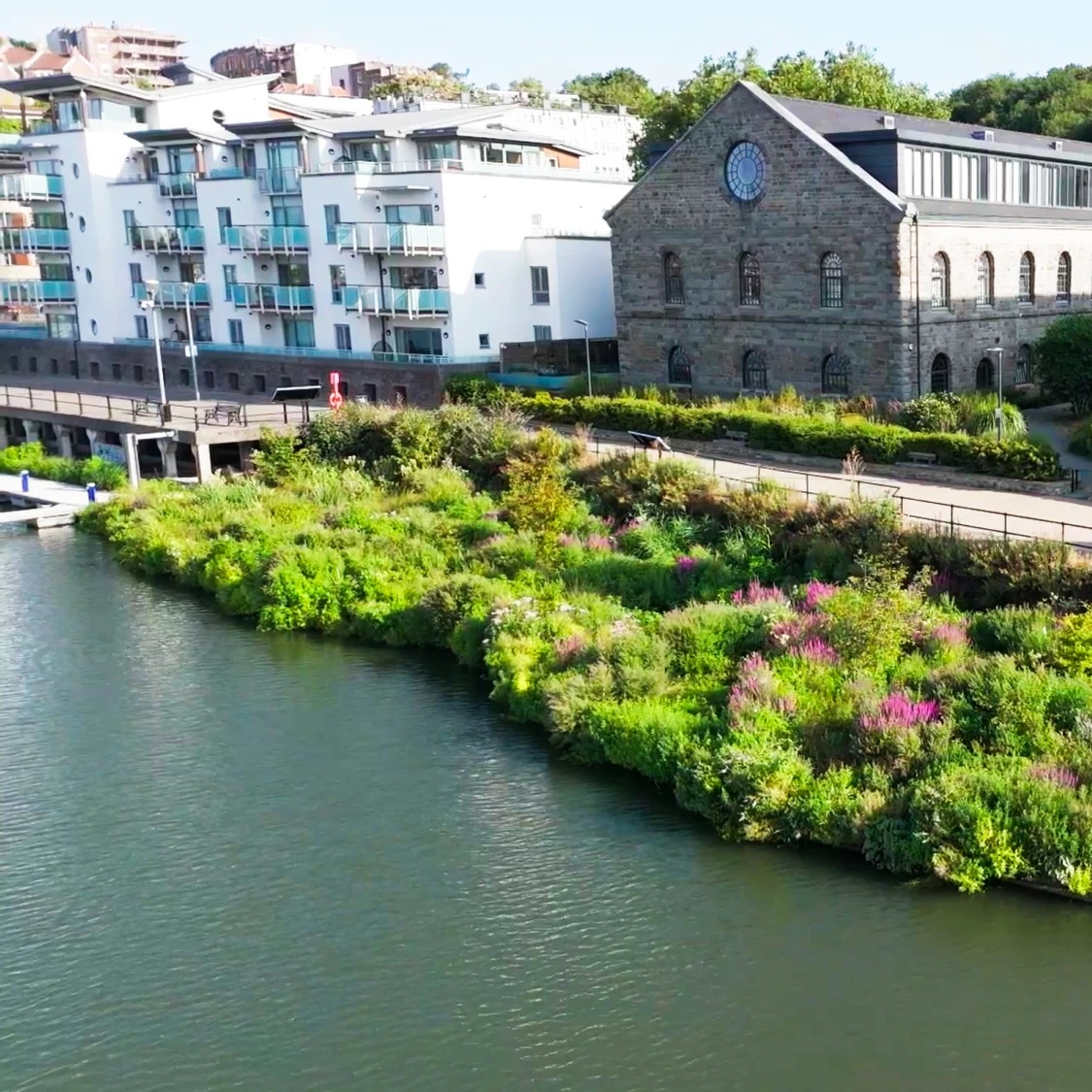
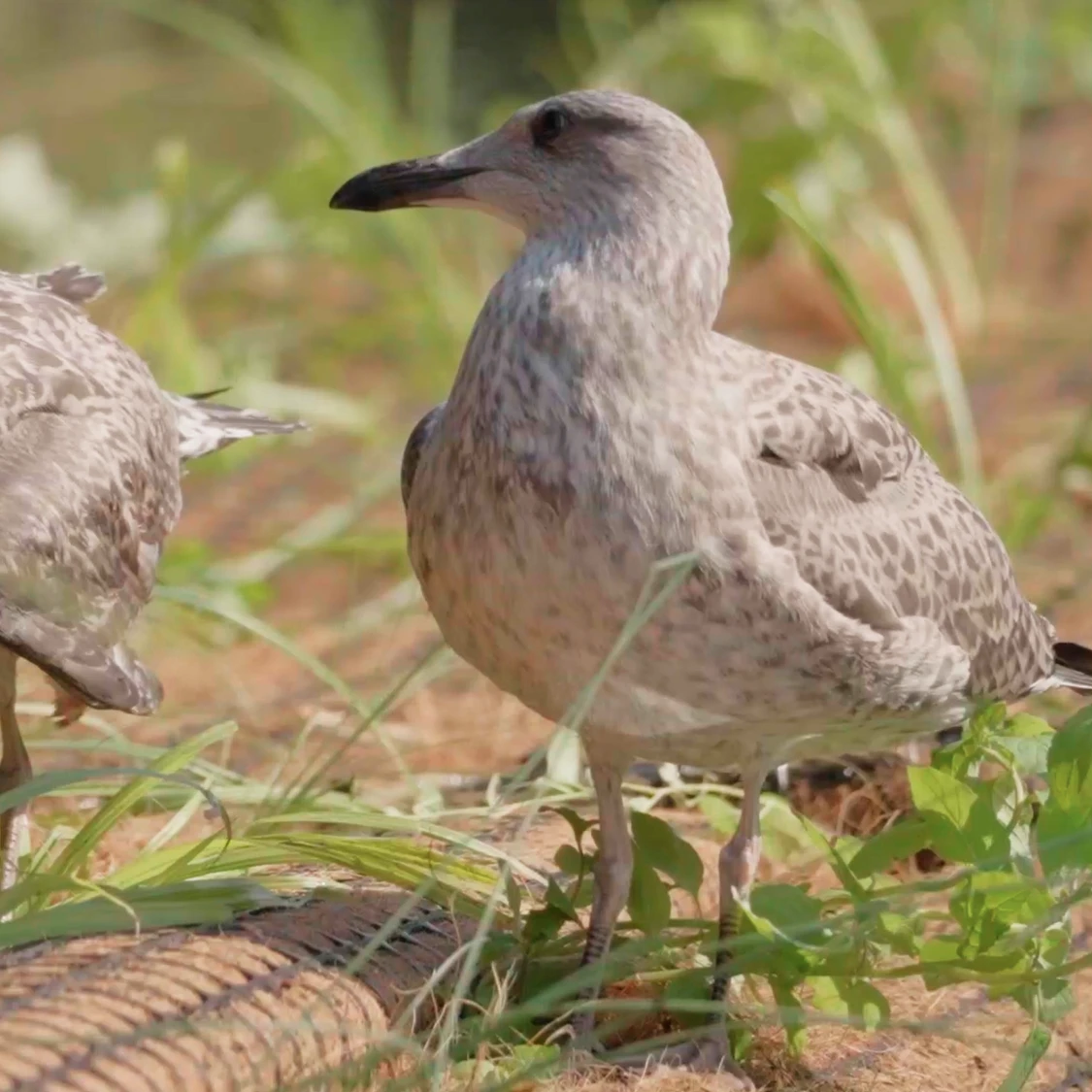
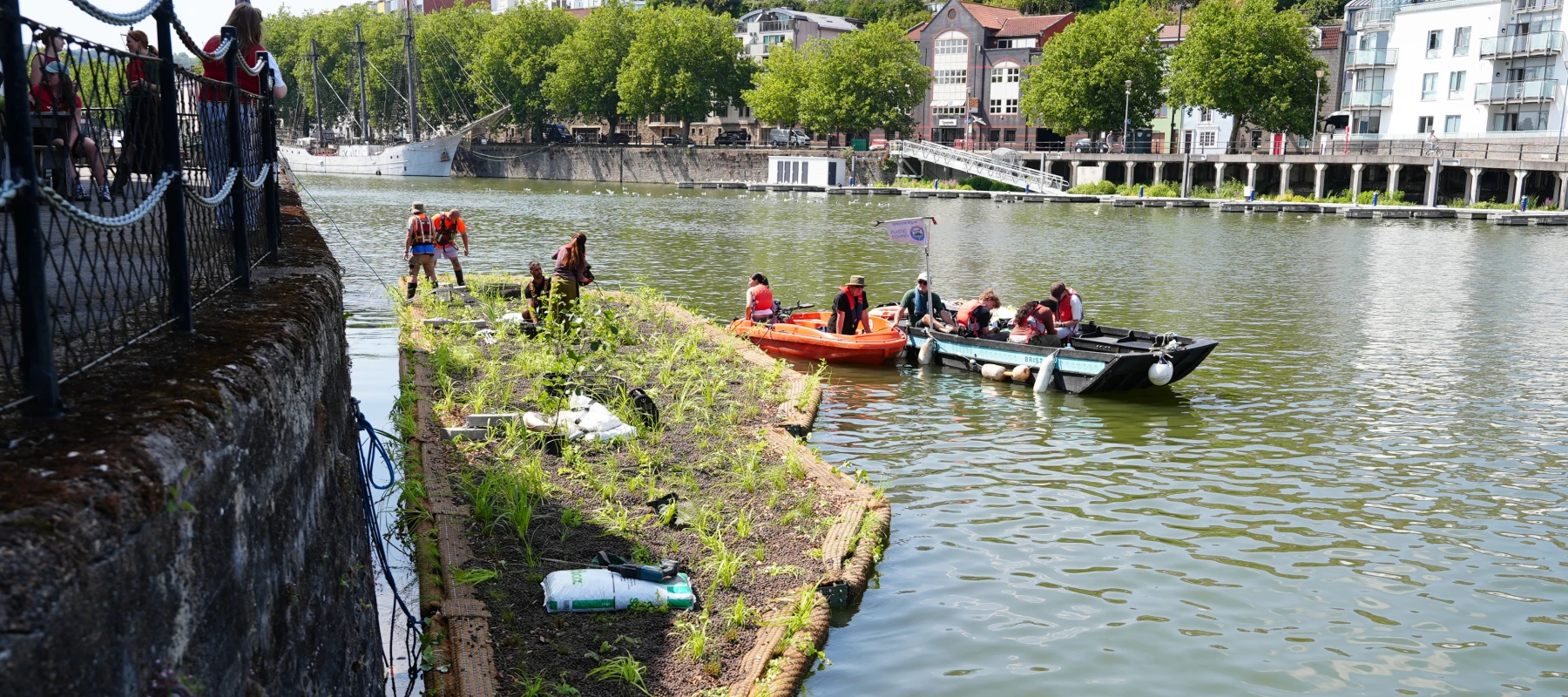
We’re helping WWT to bring wetlands back to Bristol. We’re funding two floating wetlands in Bristol harbor, including a 100 m² wetland and a 16 m² refuge for gulls with built-in rescue ramps. Both are planted with more than 20 native wetland plants. Above the water, it’s an oasis for pollinators and a safe haven for nesting birds. Below, the plants’ roots go deep beneath the surface, creating a refuge for marine life, cleaning the water and regulating water temperature. We’re also providing dedicated funding for a few more wetlands and are supporting the development of a miniature “wetland-in-a-box”, a model that can be attached anywhere to drain pipes. This enables people all over Bristol, and beyond, to bring a bit of nature back into their city.
What we achieved
Ideal outcome


.png)


Our Partner
Dr. Julia Newth has been with WWT for 20 years and is now the Ecosystems Health and Social Dimensions Manager. After a lifelong fascination with the natural world, she did a PhD to study two interconnected conservation challenges: lead poisoning on European birds and illegal shooting in the Russian arctic. Her focus now lies in researching how wetlands can tackle some of today’s biggest challenges.
Our Partner
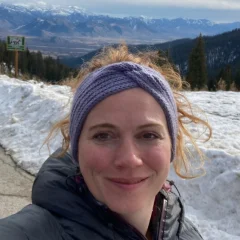
Dr. Julia Newth has been with WWT for 20 years and is now the Ecosystems Health and Social Dimensions Manager. After a lifelong fascination with the natural world, she did a PhD to study two interconnected conservation challenges: lead poisoning on European birds and illegal shooting in the Russian arctic. Her focus now lies in researching how wetlands can tackle some of today’s biggest challenges.