Small wild cats: Nature's most overlooked predators
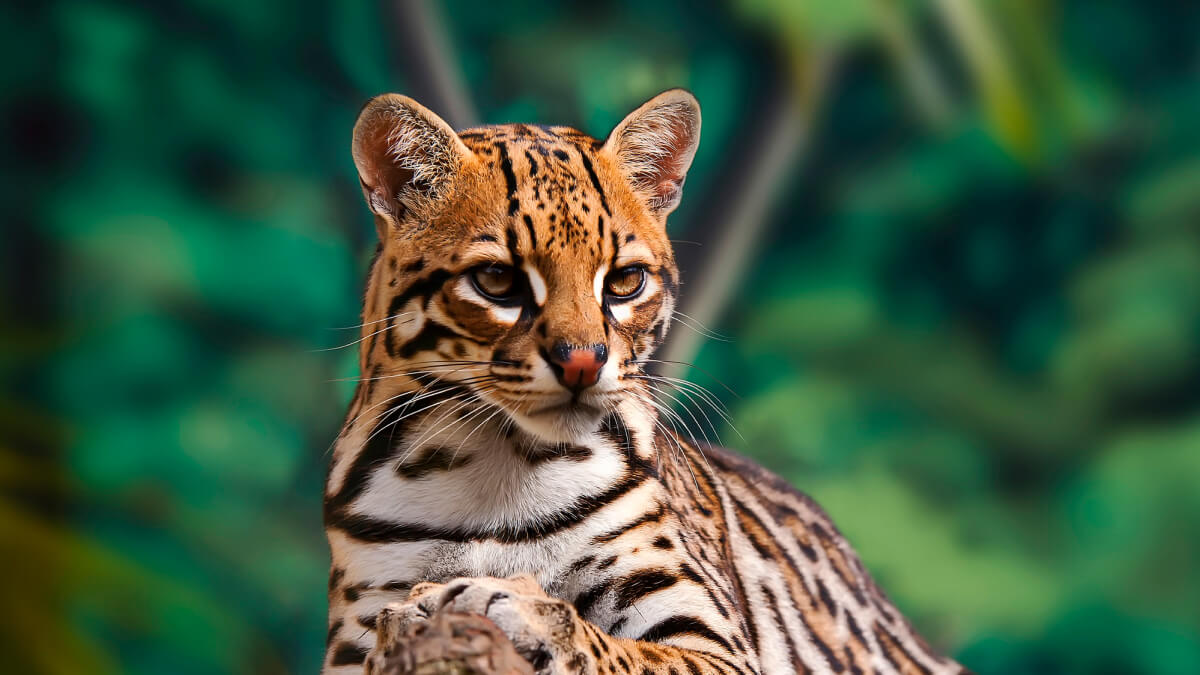
While big cats get a lot of attention for their unique behaviors and key role as an apex predator, the mysterious world of small, wild cats is often overlooked. These illusive little felines patrol forest floors, spend most of their time alone, and hunt almost exclusively at night, making them quite different from many of their much larger siblings.

Unfortunately, all this means that many small wild cats tend to be more threatened and less understood than big cats, so tend to face greater challenges when it comes to habitat loss and climate change. In this article, we will cover everything you need to know about the adorable, resourceful, and rare small wild cats found around the world, and why we need to make sure they are not overlooked in wild cat conservation.
What are small wild cats?
When we talk about small wild cats, there are a few key characteristics that differentiate them from bigger wild cats. The first is size; scientists class small wild cats as cats that weigh anything from 2-50 lbs (1-22 kg). They also class small wild cats as such because they do not have ossified hyoid bones — the thing that allows big cats like lions and tigers to roar.
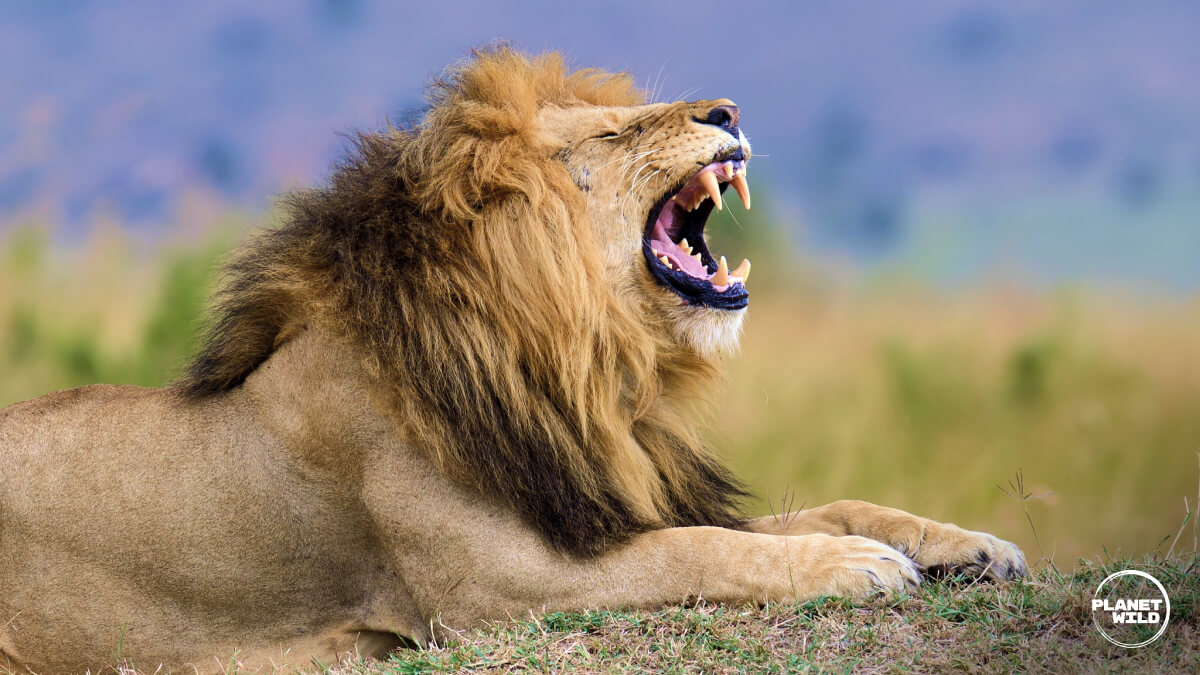
Of the 40 felidae species (the scientific name for the family of mammals in the order Carnivora, colloquially referred to as cats) worldwide, 33 are classed as small wild cats, meaning that they make up 80% of all wild cat species on the planet. They range from the tiny South Asian rusty-spotted cat to the much larger North American cougar, which can weigh up to 220 lbs (100 kg), yet despite it’s abnormal size, it is still classified as a “small” cat due to its inability to roar.
Big cats vs small cats: What’s the difference?
Around 12 million years ago, the feline family split into two main subfamilies: Pantherinae (big cats like lions and tigers) and Felinae (small wild cats like lynxes and cougars). Interestingly, small wild cats share over 90% of their DNA with domesticated house cats, because they are both directly descended from the African wildcat, that lived alongside early farmers some 10-12,000 years ago.
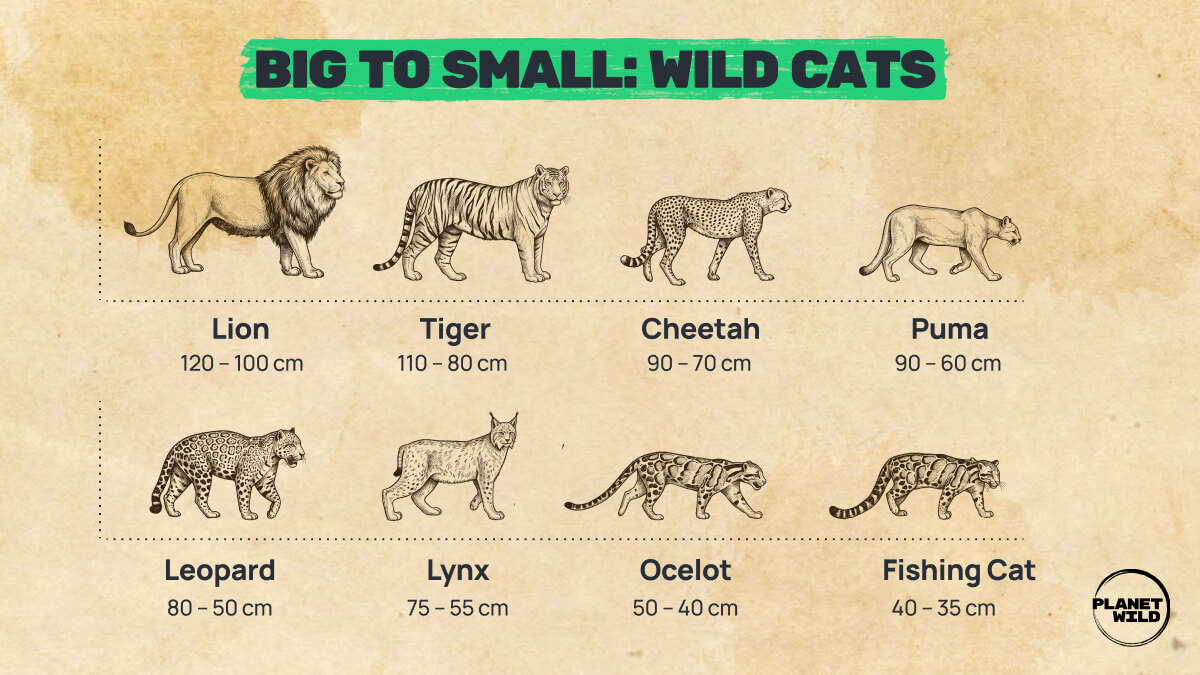
Despite being so closely related, big cats and small wild cats share a few key differences, especially in how they hunt and what they eat. Big cats are a keystone species, and sit at the top of the food chain. For example, lions rule the savanna, using strength and teamwork to hunt down large animals like gazelle and zebra. In South America, jaguar stalk and ambush their next meal, using power and the element of surprise to take down any unfortunate prey that crosses their path.
Small wild cats, on the other hand, often do not share the strength of their bigger siblings — but do not be fooled, these small cats are feared predators and deadly hunters. Instead of using strength to hunt, they rely on stealth, camouflage, and speed to swiftly capture small rodents, birds, and even large insects. For example, the Southern African black-footed cat might look adorable, but it has an astonishing hunting success rate, sitting around 60%, which is far higher than lions (~20-25%). Despite weighing only about 2-4lbs (1-2 kg), it can kill up to 14 animals in a single night! Small wild cats are quiet, precise, and opportunistic, often hunting when needed and then resting to conserve energy.
Why are small wild cats important?
Much like big cats, small wild cats are crucial members of the habitats they inhabit. While the majority are not considered apex predators because they are often prayed upon by larger animals, small cats take on the mesopredator (“meso” coming from the Greek for “middle”) role in an ecosystem. This means that small cats are animals that are both predator and prey. This makes their presence important for a few reasons.
Ecosystem balance
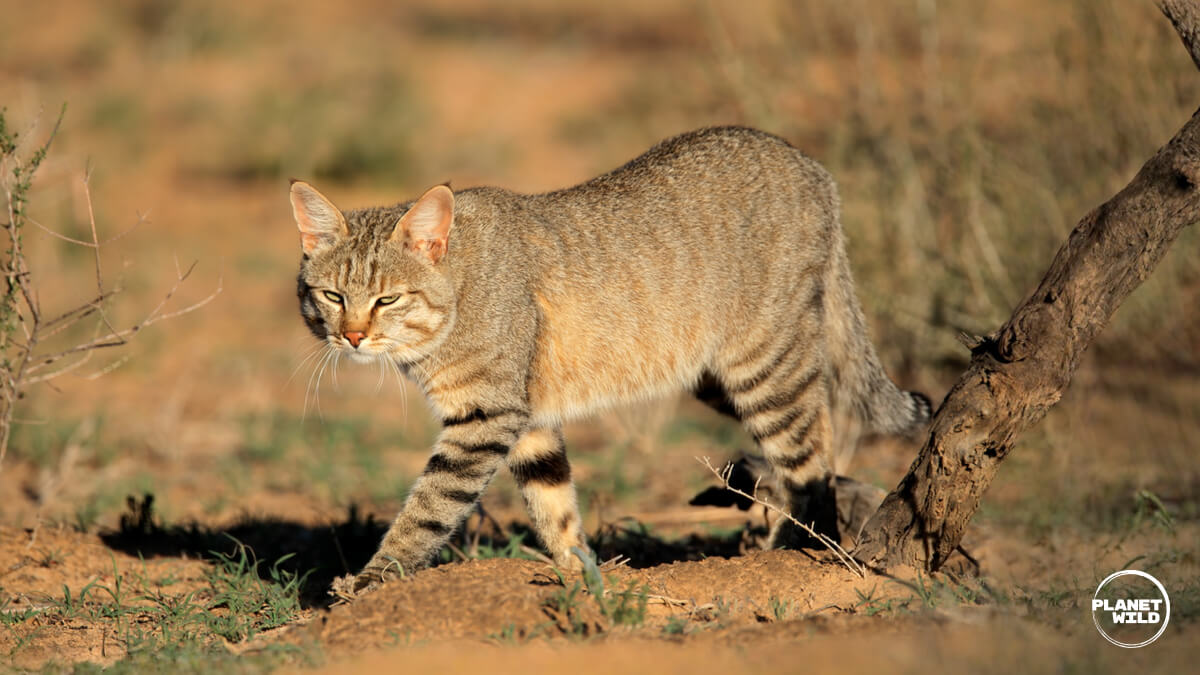
One of the most important things small cats do in the wild is keep the ecosystem in check. They are highly efficient hunters of mice, rats, rabbits, and birds. Without them, rodent populations in particular can explode, leading to crop destruction and food insecurity, the spread of rodent-borne diseases like hantavirus or plague, and overgrazing on vegetation.
Protecting plantlife
By controlling herbivore populations (rabbits, small deer, rodents), small wild cats indirectly protect plant life and allow vegetation to recover and thrive. Healthy plant cover in turn supports countless other species.
Linking the food chain
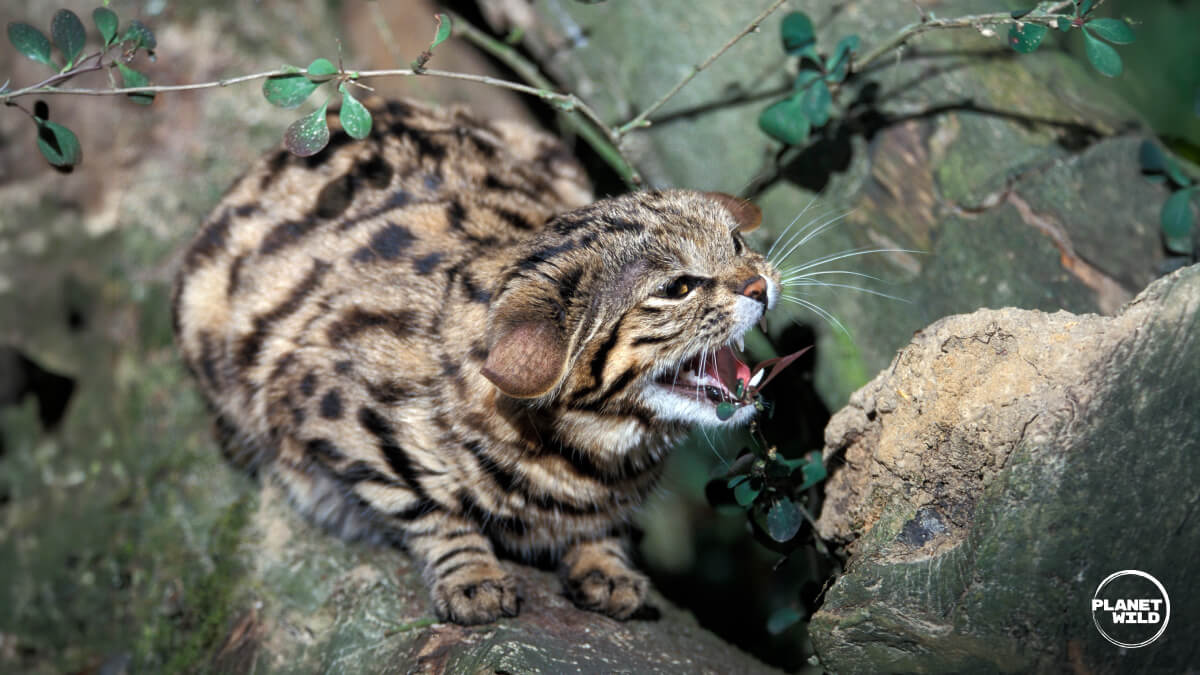
As mesopredators, small wild cats connect the top and bottom of the food chain. They transfer energy upward to larger predators that hunt them, while keeping pressure downward on smaller prey. Remove them and both ends of that chain are disrupted.
Indicator species
Many small wild cats are indicator species, meaning that their presence can indicate the health of an ecosystem to scientists and ecologists. If their populations begin to decline, it can signal that something much larger is going on, such as habitat loss or invasive species.
What major threats are small wild cats facing?
Even though small wild cats make up the majority of wild feline species, they are significantly less funded and researched compared to big cats. 13 of the world's 18 most threatened wild felids are small cats, including the four most endangered: the Iberian lynx (considered the most threatened), the flat-headed cat, the Andean cat, and the Borneo bay cat. Here are the reasons why they are so at risk of extinction.
Habitat loss
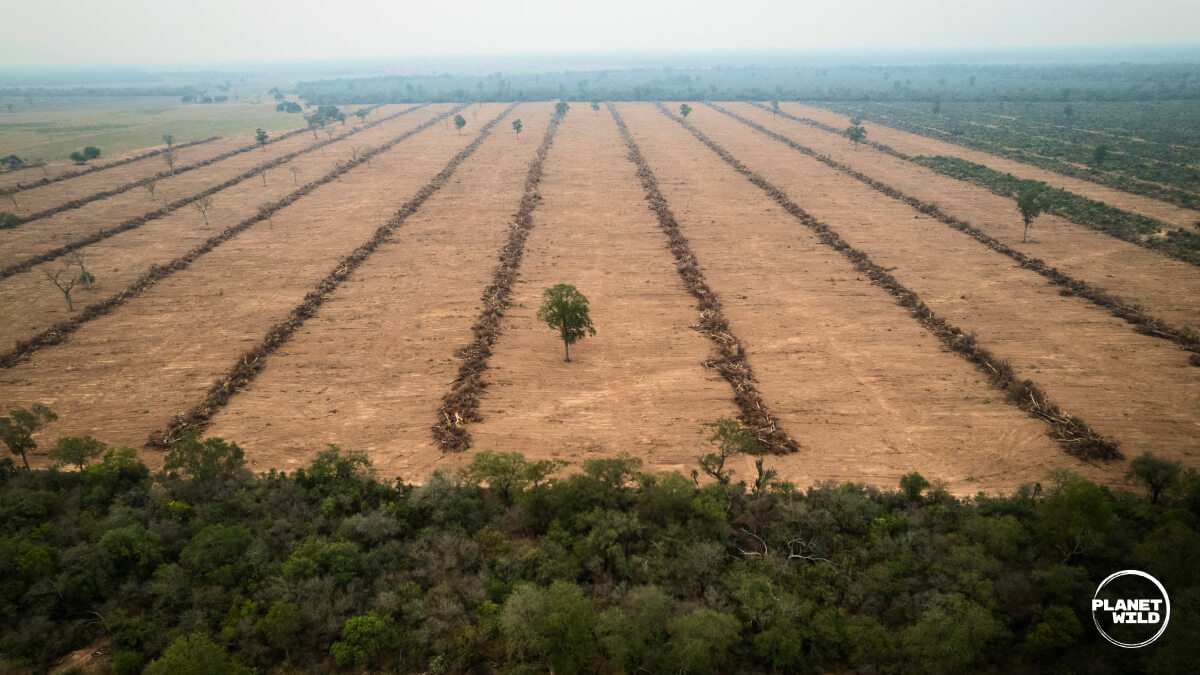
The single biggest threat to small wild cats is habitat loss, which takes place when forests, wetlands, and grasslands are cleared for agriculture, logging, and urban development. When this happens, small wild cats lose both their home and their prey base.
This is one of the reasons why the Iberian lynx has been pushed to the very edge of extinction. Much of the Mediterranean scrubland in Spain and Portugal that the lynx calls home has been converted to farmland and roads, fragmenting their hunting lands and putting them into direct conflict with farmers and speeding vehicles.
Prey decline
Even when a wild cat's habitat is intact, its prey may have been hunted by humans or outcompeted by livestock. For example in the grasslands and montane steppes of Central Asia, the Pallas's cat’s main prey — pikas and voles — are poisoned in large numbers by farmers trying to protect grazing land for livestock.
Poaching
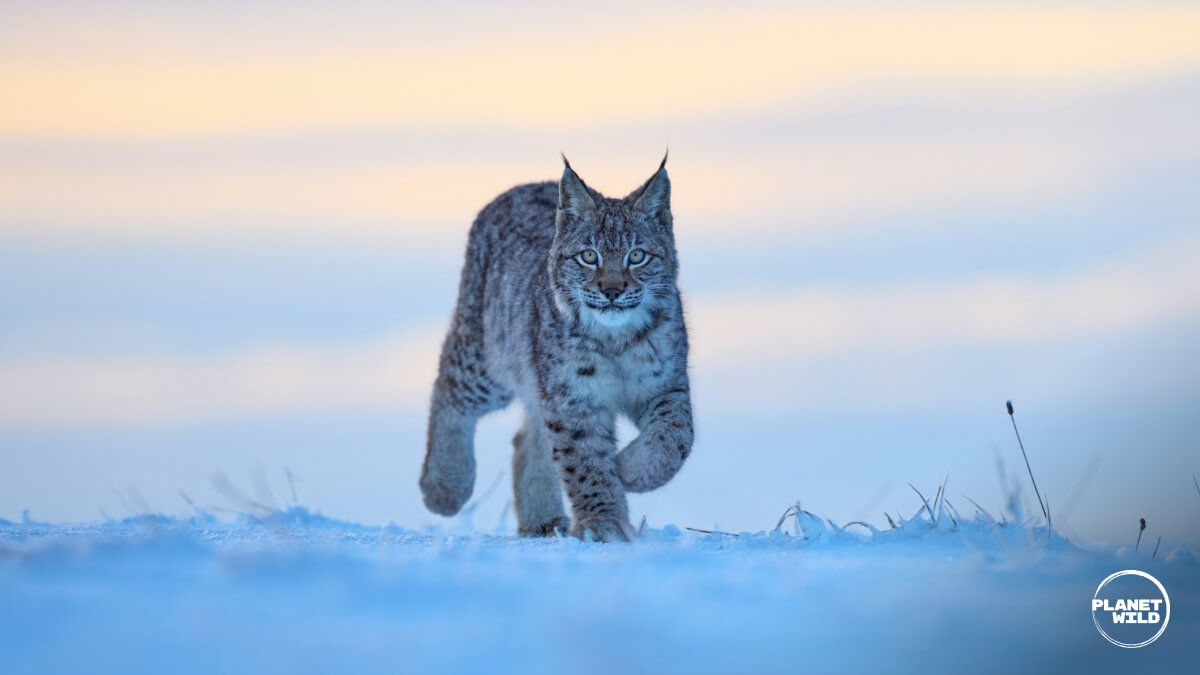
Unfortunately, small wild cats are just as vulnerable to poachers seeking out unique spotted and patterned furs, teeth — as well as the exotic pet trade. In fact, ocelots were hunted almost to the brink of extinction in the 20th century for its fur, but thankfully the population has recovered thanks to dedicated rewilding programs in the US and Argentina.
Disease and hybridization
A fairly unique threat to wild cat populations is that contact with domestic and feral cats brings two serious threats — disease transmission and interbreeding. The Scottish Wildcat, one of Europe's most endangered mammals, is critically threatened by hybridization with domestic cats, with pure wildcats now numbering possibly a few hundred. Feline diseases like feline leukemia virus (FeLV) and feline immunodeficiency virus (FIV) can spread from feral cats into wild populations with devastating effects.
Lack of research
Perhaps the most interesting reason small wild cats are so threatened is partly because people simply don't know they exist. Conservation funding overwhelmingly goes to charismatic apex predators like tigers and lions, leaving small wild cat species under-researched, under-protected, and underfunded — even when they are critically endangered.
How can we protect small wild cats?
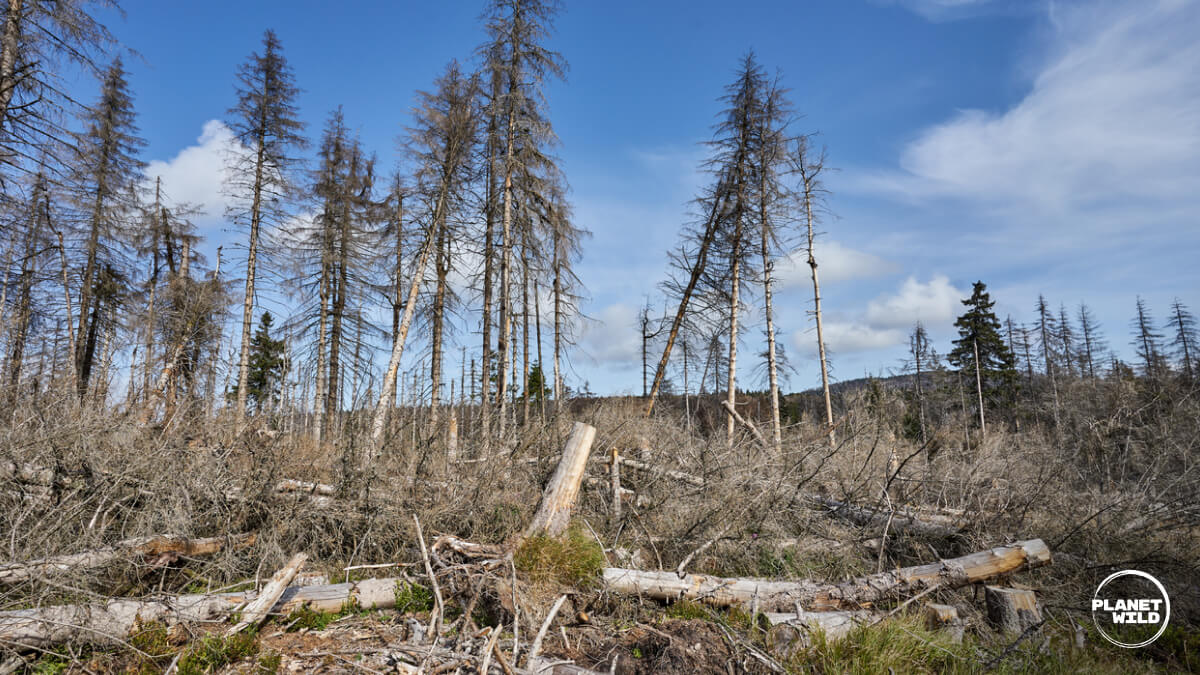
So what can we do to protect these adorable, deadly, and vital feline species? Well it starts with protecting their habitats — the grasslands, rainforests, and mountain ranges they call home. In the cloud forests of Medellín, Colombia, five different species of wild cats rule the terrain, but their their home has been cleared for cow pasture, meaning that their populations in this part of the world are under threat.
With support from the Planet Wild community and Ecosia, we purchased 53 hectares of land in rural Medellín to regenerate back into wild, native cloud forest — by simply doing nothing at all. Over time, the ecosystem has the chance to regenerate and welcome back some of the world’s rarest small wild cats, alongside other rare and newly-discovered species.
5 incredible small wild cats you should know about
Eurasian lynx (Lynx lynx)
Average size: 18–36 kg (males larger than females)
Average lifespan: In the wild: 12–15 years (up to 24 in captivity)
Found: Europe, Russia, Central Asia, China, Turkey and the Middle East — one of the widest ranges of any wild cat species.
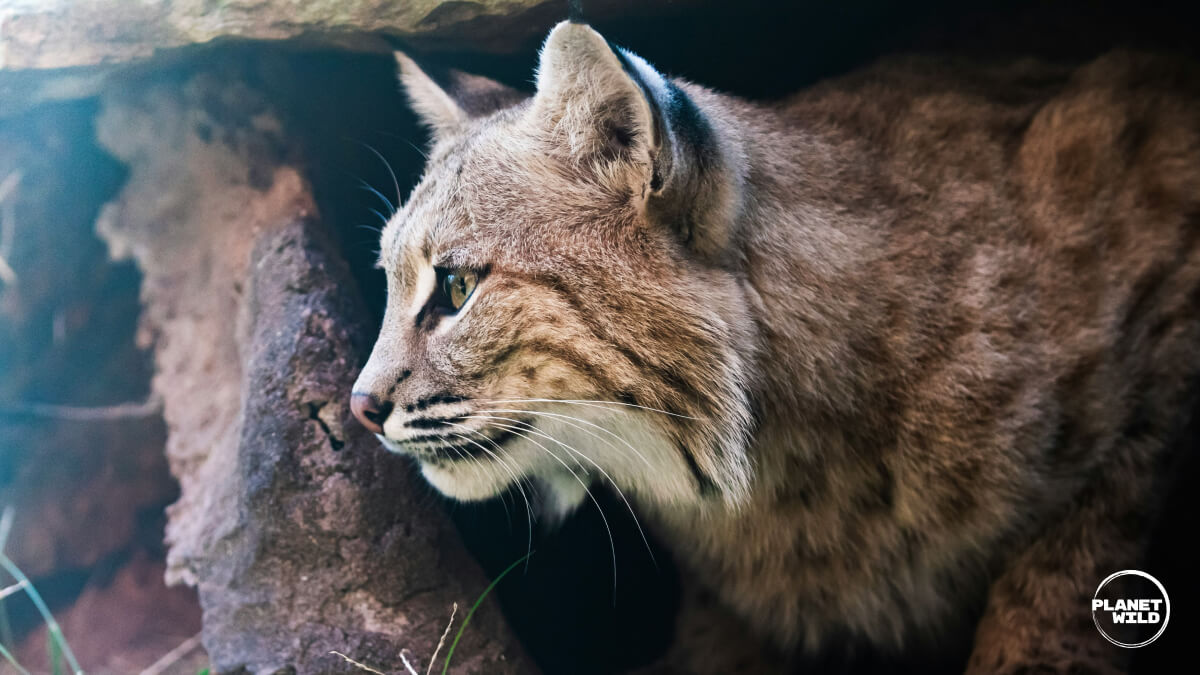
Because the Eurasian lynx has such an enormous range, it’s considered an apex predator in some regions, which is unusual for most small wild cats. These capable cats are able to take down roe deer, reindeer, and chamois many times its own size. It‘s also largely solitary and secretive, making it rarely seen despite its relatively wide range.
Cougar/Puma (Puma concolor)
Average size: 29–90 kg (males significantly larger than females)
Average lifespan: 8–13 years (up to 20 in captivity)
Found: North America, Central America, and South America
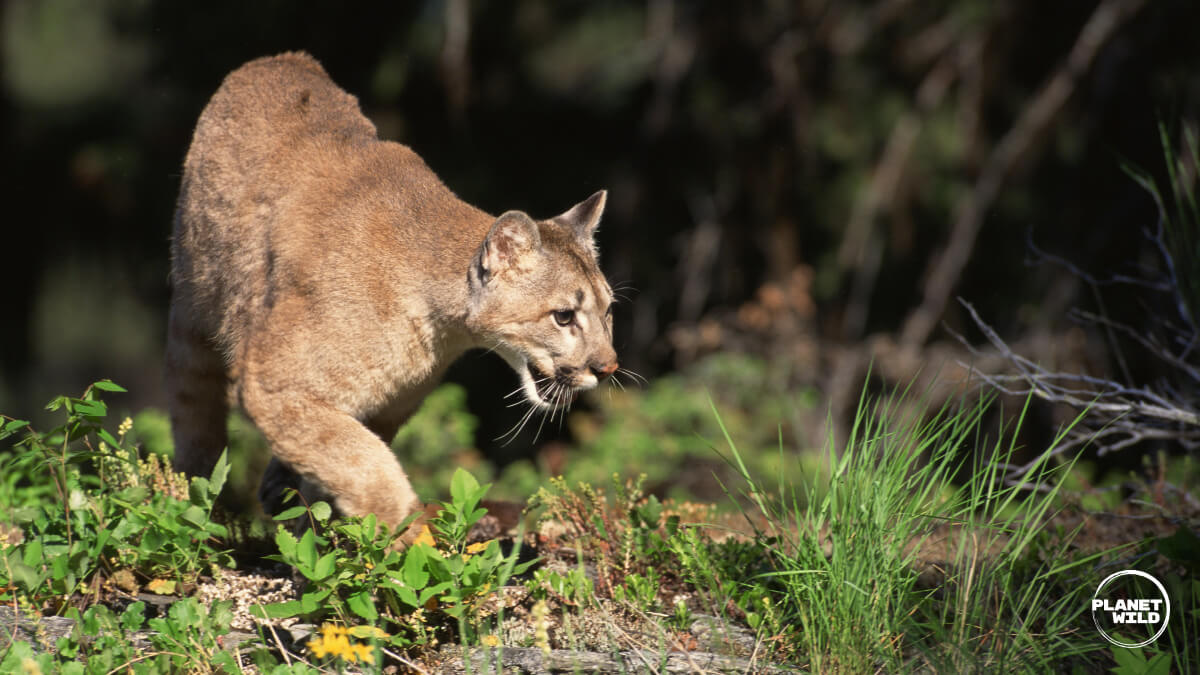
Often called mountain lions or catamounts, cougars are more closely related to small cats than to lions or tigers. In 2011, cougars were officially declared extinct in eastern North America, but sightings continued. That’s because these large small cats can travel thousands of miles, capable of moving vast distances through landscapes that were assumed to be off-limits to large predators, completely invisible to the people living alongside them.
Fishing Cat (Prionailurus viverrinus)
Average size: 5–16 kg (males larger than females)
Average lifespan: 10–12 years (up to 15 in captivity)
Found: Wetland habitats across South and Southeast Asia.
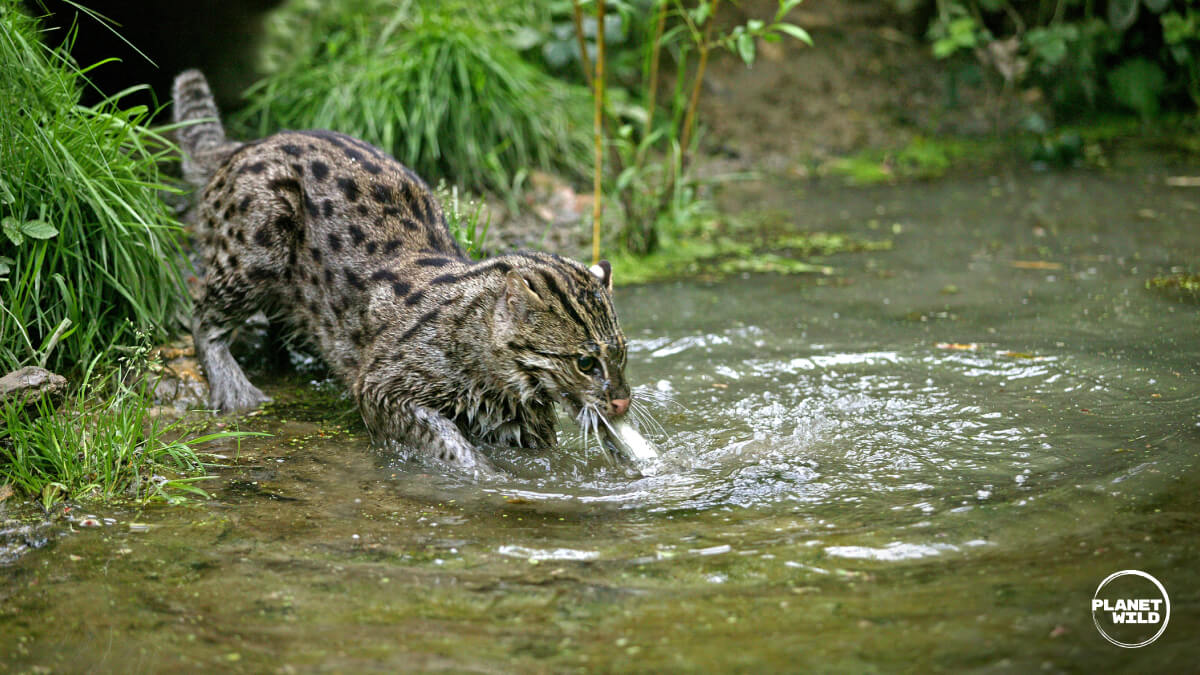
While most cats are known to detest water, it’s quite the opposite for the magnificent Fishing cat. These rare and endangered cats can be found around mangrove swamps, marshes, reed beds, tidal creeks, and riverbanks — rarely straying far from water. In fact, this small wild cat is so comfortable in the water that it has evolved partially webbed paws which help it swim efficiently, as well as acting like paddles when scooping fish from the surface.
Seval (Leptailurus serval)
Average size: 8–18 kg (males larger than females)
Average lifespan: 10–12 years (up to 20 in captivity)
Found: Sub-Saharan Africa

Seval’s feel most at home in tall grass savannas, wetlands, marshes, and areas near streams and rivers where dense vegetation keeps them hidden. They have a unique hunting style, using their enormous ears to listen out for rodents moving underground. When they find a target they will leap — often 3 metres vertically — and punch down with their paws to break through the soil to catch them. They have also been known to pluck birds clean out the air. As a result of this bold and opportunistic hunting style, the Seval has a hunting success rate of around 50% — one of the highest of any wild cat.
Jaguarundi (Herpailurus yagouaroundi)
Average size: 3–9 kg
Average lifespan: 10–15 years (up to 20 in captivity)
Found: Central America, South America, South Texas
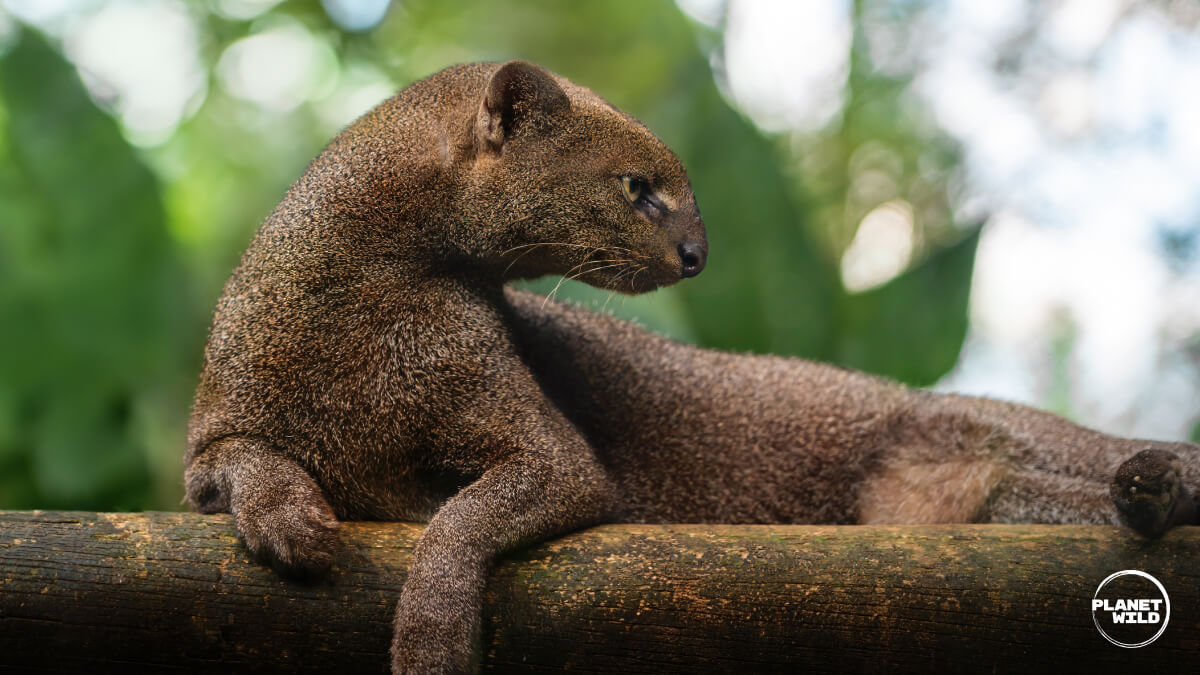
One of the strangest and least cat-like of all the cats on our list, the jaguarundi is more active during the day (diurnal) than at night and looks more like a weasel or otter than a typical cat. There were thought to be two different species of jaguarundi — one a dark charcoal grey and another a reddish-brown color — but turns out they are the same, just with different fur. This cat is one of the rarest and least studied, making it one of the most mysterious small wild cats in the Americas.
Althrough they are so overlooked, small wild cats play just as an important role as big cats, and it’s about time we approached their future with the same passion as lions and tigers. All they need space, prey, and the chance to live undisturbed. In return they keep ecosystems balanced, diseases in check, and the natural world functioning. Most people will never see them and many don't even know they exist, but these little felines remind us that nature's most important work is often done in silence.