Growing sustainable cities: How to make urban spaces more green
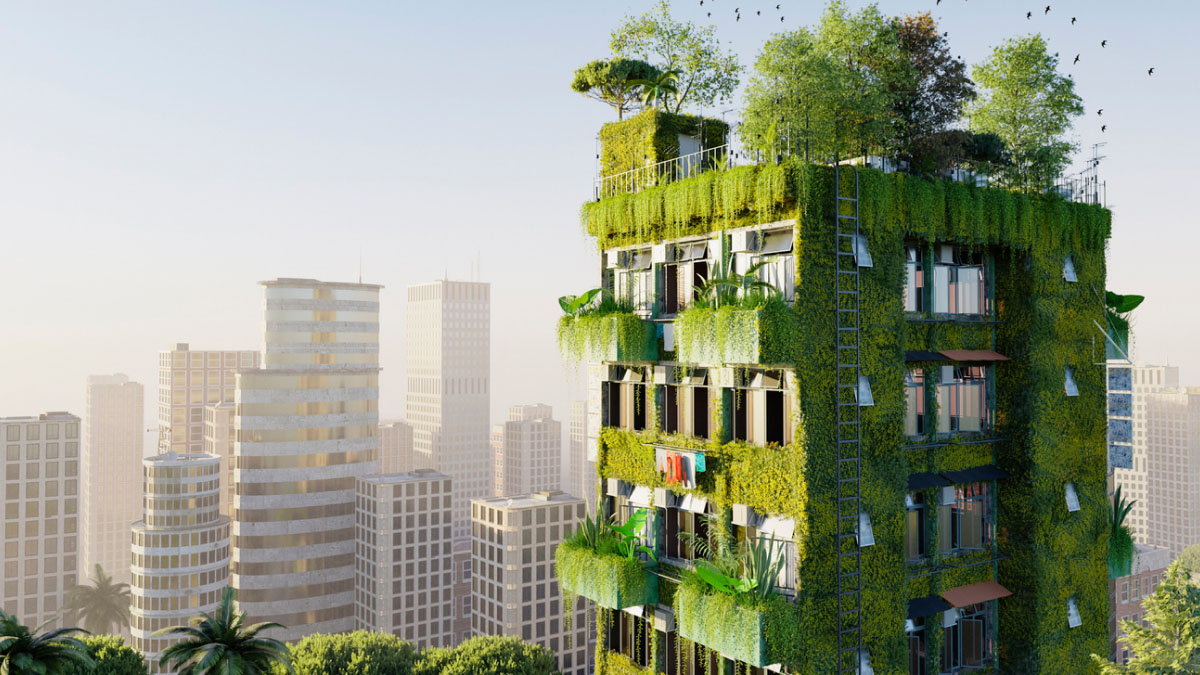
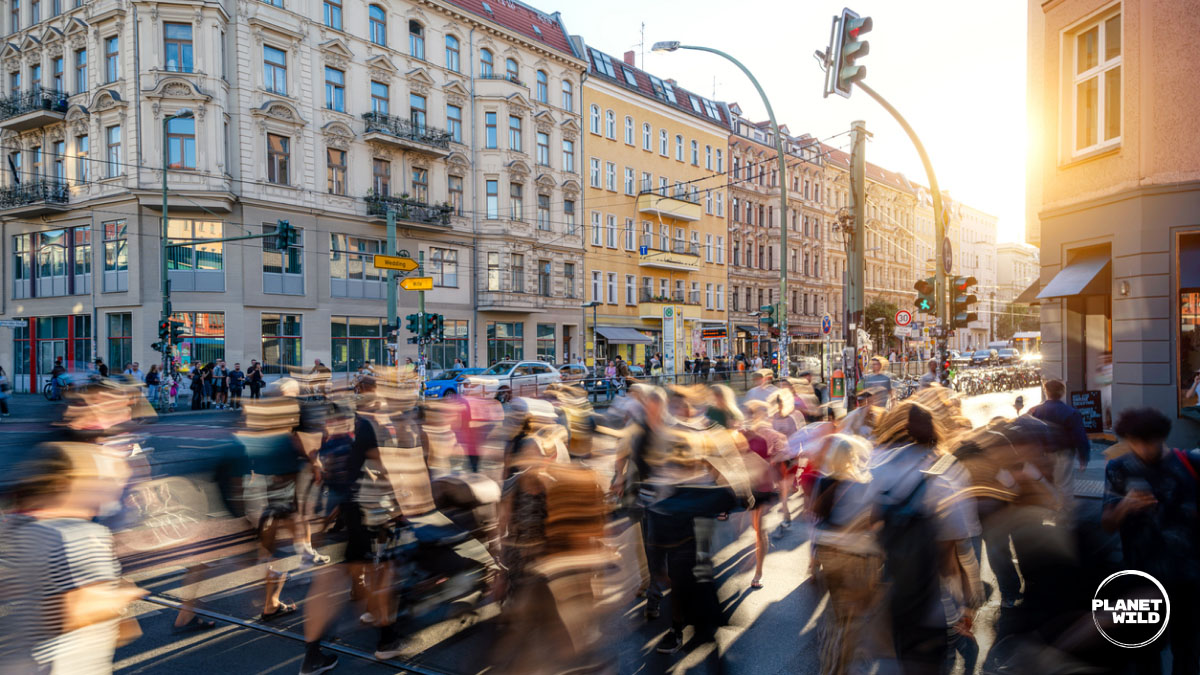
Cities are the beating heart of our modern world. Today, roughly half of the world’s population choose to live in the cities, and for good reason — urban areas make it easier to find work, housing, services, and community.
Cities are defined as more than 50,000 people living close together, and since 1975, the number of cities has doubled from over 6,000 to 12,000 in 2025. As predicted, this concentration of people all in one place has had its drawbacks for the climate and environment. Cities are responsible for 70% of global CO2 emissions, either directly or indirectly. They also consume 30% of the world's water despite occupying just 2% of its land area.
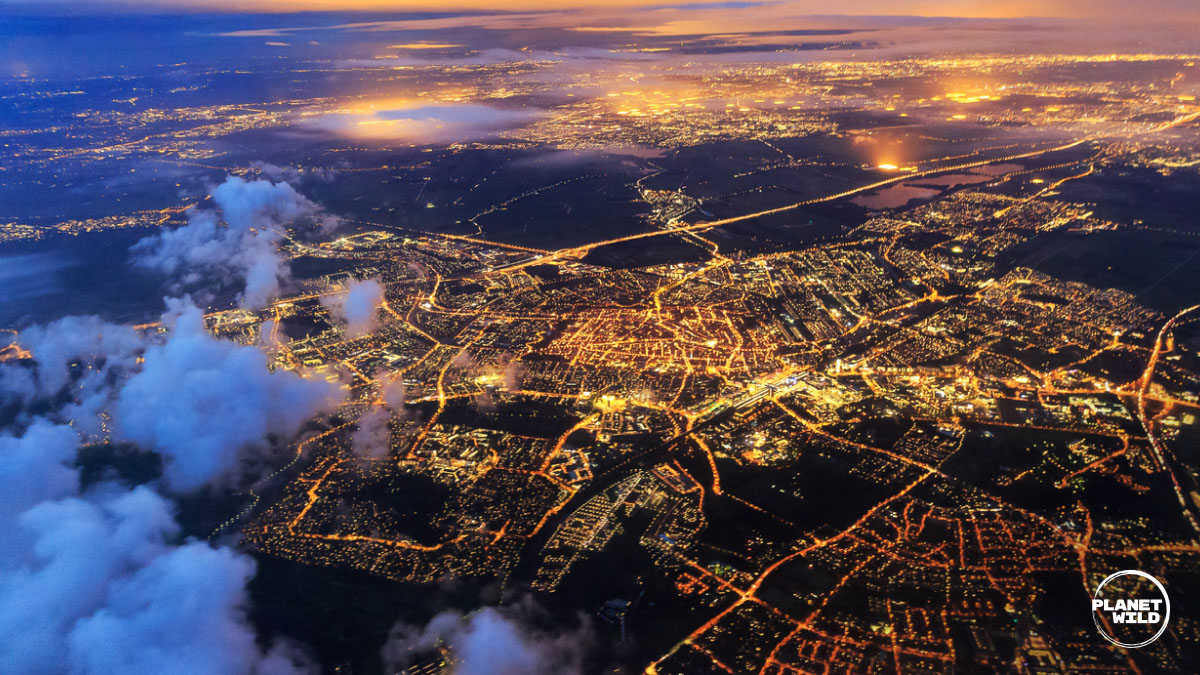
What’s more, the rise of “megacities” — metropolitan areas with over 10 million people — means it’s more important than ever to find ways to make our cities more sustainable, greener, and more resilient against floods, heat waves, and droughts. This article breaks down the reasons why we need to regreen our towns and cities, and some of the fascinating ways it’s already happening — and making a huge difference.
Why do we need sustainable cities?
Human beings have always lived in community groups, it’s part of our nature. We rely on each other for survival, knowledge sharing, economic opportunities, cultural expression, and social support. Cities represent the evolution of these communities — bringing together millions of people with shared resources, infrastructure, and institutions.
This has naturally led to environments that consume a lot of resources. Energy is a key one; electricity, natural gas, and fossil fuels are used to warm and cool our homes, generate power, and help us travel from A to B. As a result cities consume roughly 75-78% of global energy despite housing only just over half of the world's population.
Water is another key resource that cities consume at an astounding rate. While agriculture dominates global freshwater use at roughly 70%, cities account for the other 30% — a disproportionate share given how little land cities occupy. This demand is made worse by the water needed to import food and goods from rural areas, further adding strain on freshwater resources through both direct consumption and water required for production and transportation.
As the world’s population continues to grow, it’s predicted that two thirds of the global population will live in cities by 2050, and demand more global material resources and energy. This means that we need to rethink what cities are and what they can be, so that they consume fewer valuable resources.
How can we make cities more green?
Creating sustainable, green cities isn’t a quick fix by any means, but needs long-term innovation and business commitment. Even more importantly, how can these solutions be scaled to cities in less affluent parts of the world, where resources are scarce?
Thankfully, it's not all doom and gloom. Across the world, cities are adopting bold climate action plans with measurable results — San Francisco has already cut emissions by 48% since 1990 through its green initiatives, while Munich aimed for 100% renewable energy by 2025 — a target which was met. Cities are adapting, and here’s how.
Green infrastructure cools cities down
It’s not rocket science, but one of the best ways we can make our cities greener is to literally make them greener. Urban parks and green spaces are a net plus for the climate.
Many cities struggle with a phenomenon called the urban heat island effect, where they experience significantly higher temperatures than surrounding rural areas thanks to materials like asphalt, dark roofs, and tall buildings which trap heat and raise temperatures. Trees are one of the best tools we have to tackle this problem.
Data shows that strategic tree planting can reduce urban temperatures 2-8°C (3.6-14.4°F), and green roofs can be 56°F (13.3°C) lower than those of conventional roofs. This is why green infrastructure — parks, street trees, green roofs, and vertical gardens — are a critical component of sustainable cities, because they cool buildings down without relying on mechanical systems or electricity.
Singapore’s green wall
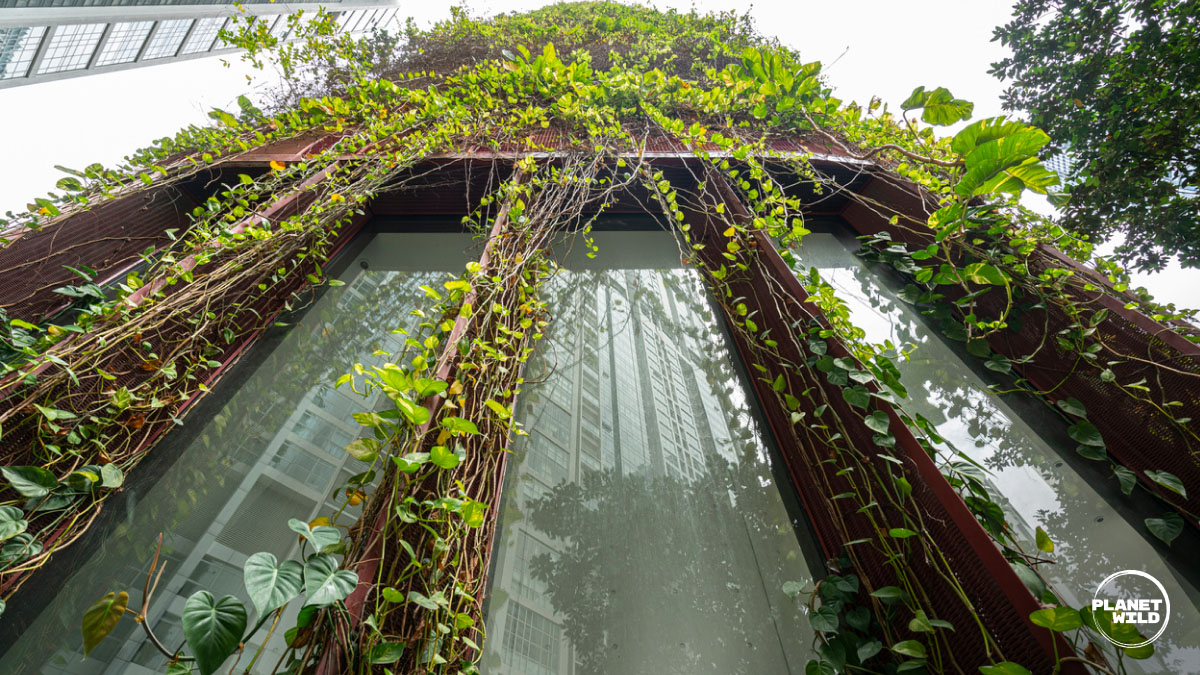
In 2008, Singapore introduced mandatory green building regulations to integrate architecture with vegetation, with the plan to transform 80% of the city’s buildings green by 2030. Studies conducted by Singapore's Building and Construction Authority showed that green features have led to huge energy savings, especially in cooling costs. For example, Singapore’s World Record-breaking Tree House condominium's vertical garden is expected to save more than $500,000 in energy and water costs annually.
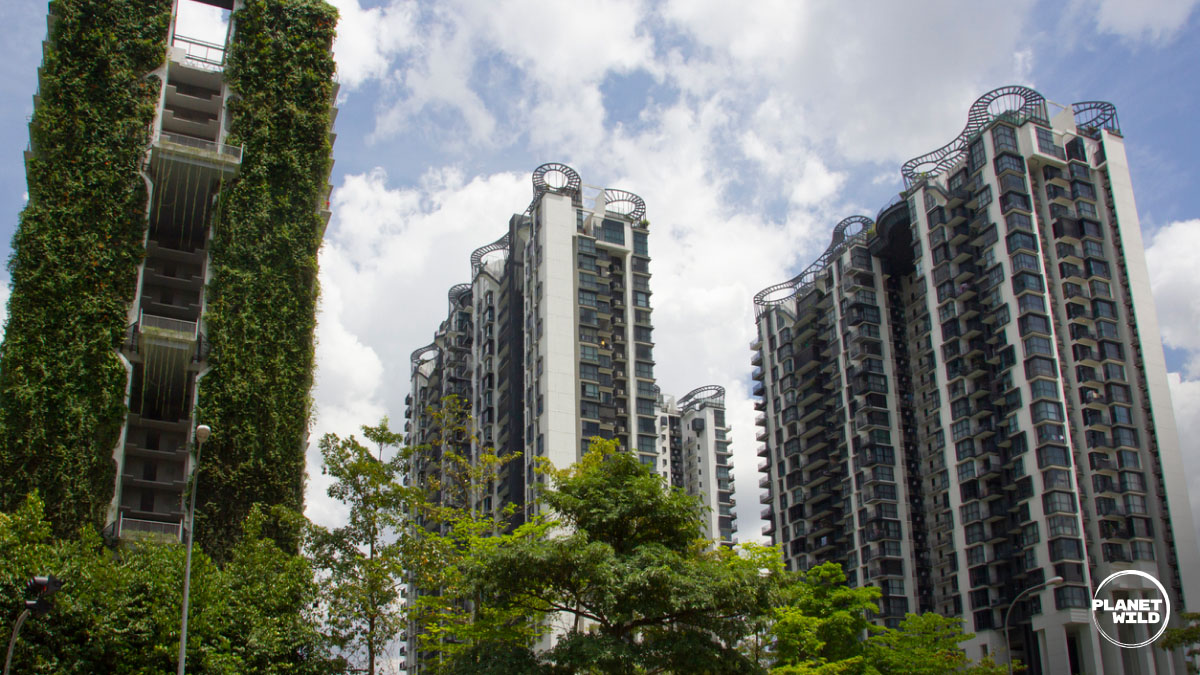
Beyond energy efficiency, vertical forests function as natural air filters, absorbing carbon dioxide while releasing oxygen to improve air quality, as well as provide shelter for birds, butterflies, and insects.
Bristol’s floating wetlands
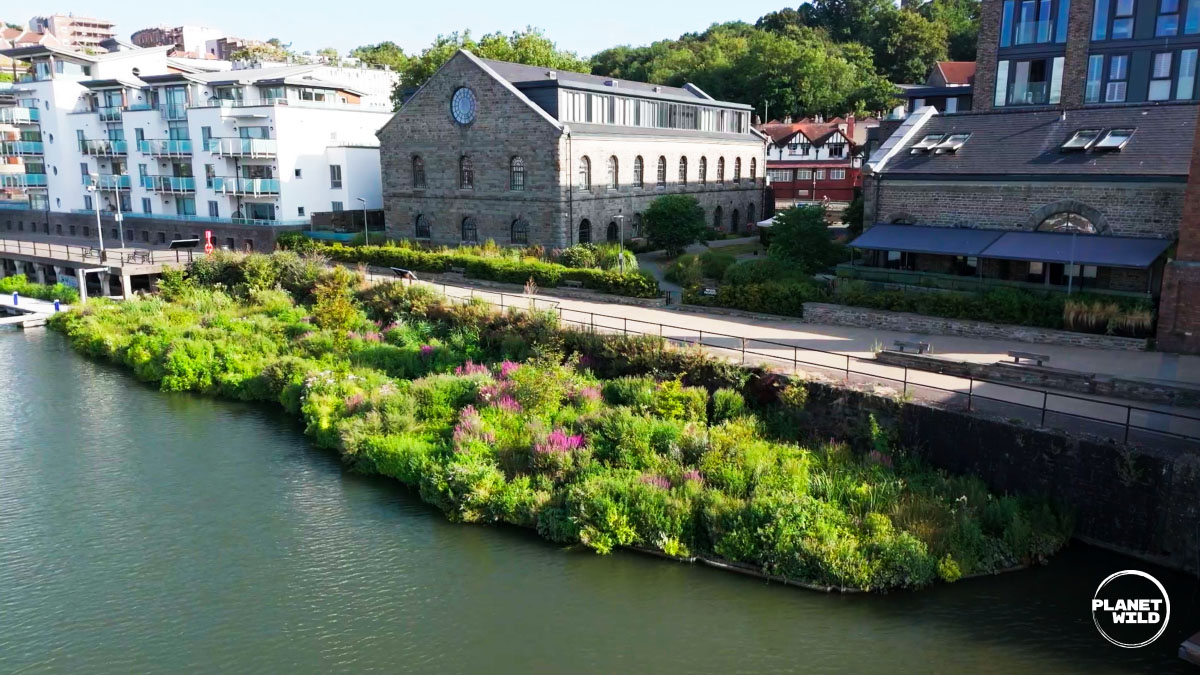
In the English city of Bristol, an initiative is taking place to bring wetlands back to the city, creating important habitats for wildlife as well as keeping temperatures and water levels stable. Planet Wild teamed up with WWT, an organization bringing wetlands back to urban areas.
In the latest Planet Wild mission, we installed two native-planted floating wetlands in Bristol harbor, creating a habitat for birds, pollinators, and marine life while improving water quality. This initiative allows communities in Bristol and beyond to see how easy it can be to integrate more nature into urban spaces.
Sustainable transportation tackles CO₂ emissions
Public transportation is one of the best ways you can reduce your carbon footprint. A typical passenger vehicle emits about 4.6 metric tons of carbon dioxide per year, and cars and vans make up around 15% of all global CO₂ emissions.
Public transportation — especially systems that run on renewable energy sources — can reduce carbon emissions significantly. One 2024 article even found that increasing the length of a transport line can reduce carbon emissions by 4.26%. Plus, shifting from cars to public transport can reduce personal emissions by up to two tons annually per individual.
Some cities are even introducing car-free zones and more pedestrian-friendly urban design, to help people move away from using cars within city limits. Both London and New York have also implemented charges for drivers traveling into their most congested areas as a deterrent.
Copenhagen’s bike infrastructure
Better yet, cities that expand access to bike lanes and bike sharing can cut down on emissions even more. In Copenhagen, extensive cycling infrastructure with bike-friendly streets and dedicated lanes make cycling the primary mode of transportation for many residents.
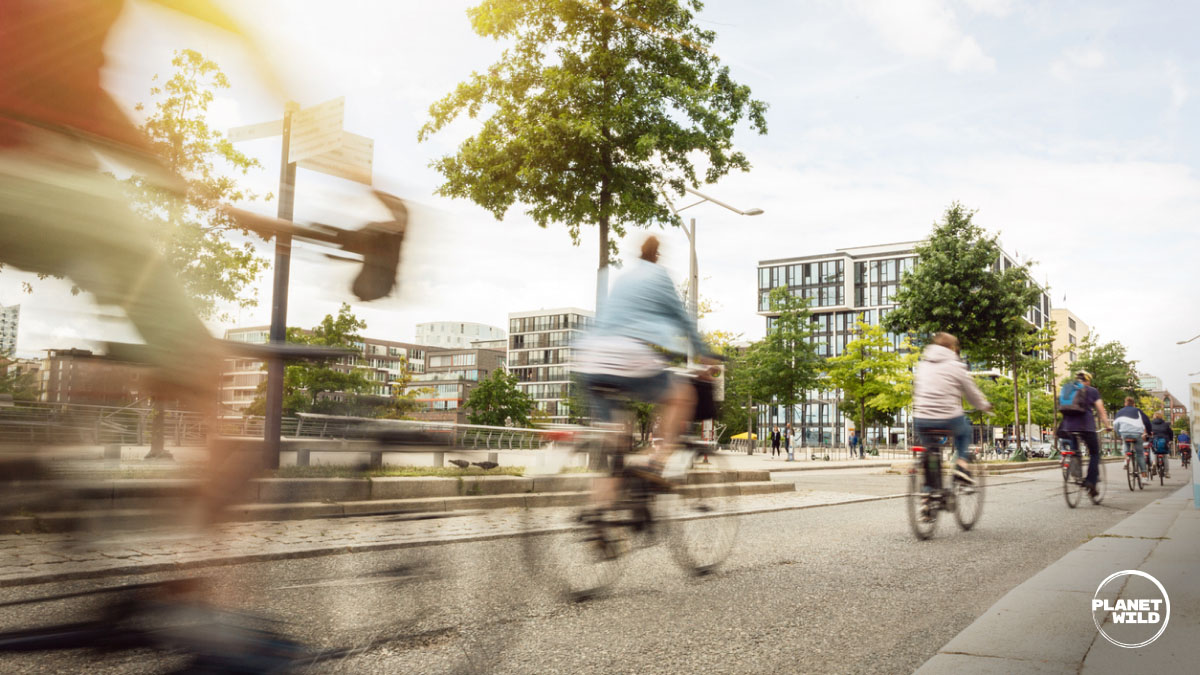
According to a European study, if 10% of the population were to replace one car trip a day with a bike ride, overall carbon emissions from transportation would drop an equal 10%.
Save water through greywater recycling and rain harvesting
As previously stated, cities get through enormous amounts of water. Cities concentrate millions of people in small areas, with water needed for drinking, sanitation, bathing, and cooking. A single person uses approximately 50-100 liters of water per day for basic needs, so a city of 10 million people requires billions of liters daily.
These days, most cities get their water from rivers, lakes, and reservoirs, which account for approximately 64% of public water supplies, with the remaining 36% coming from groundwater extracted from underground aquifers. Rising temperatures from climate is having a big impact, speeding up evaporation which causes these water sources to dry up.
Other problems such as rapid population growth and inadequate water infrastructure compound the issue, leading to crises like Cape Town's 2018 "Day Zero" when dam levels plummeted from 92.5% to 23% capacity, forcing the city to implement strict water restrictions before it ran out of water entirely.
Beijing’s rainwater solution
Beijing, a city of almost 22 million people, is a pioneering city in “urban rainwater harvesting” (URWH). According to the Beijing local government, the city reuses 50 million cubic meters of rainwater each year, with more than 30% of Beijing’s water needs being met by reused water from bathroom runoff and other sources.
URWH is also linked to the “sponge city” initiative, being adopted by cities like Berlin, Copenhagen, and Auckland. Sponge cities essentially create natural spaces (such as wetlands) and green infrastructure that absorb, hold, and release water in a way that allows it to flow back into the water cycle, rather than drainage systems. This way water is reused and recycled.
Smart cities for resource management
We are living in a time of astounding technological advancement which is already being used to make our cities greener. So-called “smart cities” use electronic data, sensors, and tech to gather information that improves public services and saves energy.

Smart cities use Internet of Things (IoT) sensors — a network of devices that are connected via the Internet, and that can be controlled or used to send control information — as well as information and communication technologies (ICT), software, data analytics, and innovative urban planning to create a connected and technology-based ecosystem that smartly responds to the needs of the city. This way, resource management is not a guessing game, but the needs of the city can be predicted months, or even years, in advance.
Barcelona’s smart irrigation system
In Barcelona, the IoT is being used to reduce water waste in public parks. Through soil sensors and weather forecasting, the parks can decide — almost by themselves — how much water is needed to keep the parks lush and green. The system optimizes water consumption based on real time data, reducing the city’s water bill by 25%.
From building wetland habitats, to connected smart systems and ambitious green infrastructure projects, cities are demonstrating that reducing their carbon footprint and making urban areas more biodiverse and beautiful to live in is both possible and achievable.
These efforts represent a fundamental rethink of urban design that moves away from gray, concrete-heavy environments toward living, low-carbon ecosystems that seamlessly integrate technology with nature.