The world’s strangest ecosystems and why they’re worth protecting
Ecosystems are everywhere. In the cracked asphalt you walk over on your way to work, underneath tree bark, beneath the topsoil in your backyard, and even on a rotting piece of fruit. They can be massive, like the Amazon Rainforest, or tiny, like a single plant or your backyard pond. But there are some ecosystems out there that are so unbelievable that they almost feel supernatural.
In this article, we’ll explore some of the world’s strangest and most unique ecosystems. From deep-sea hydrothermal vents to isolated “islands” on mountain summits, these are some of the remarkable ecosystems you may not even have known existed.
What is an ecosystem?
Before we dive into the world’s coolest ecosystems, what even is an ecosystem in the first place?
An ecosystem is described as a geographic area where plants, animals, organisms, and external factors work together to form a “bubble” of life. Ecosystems feature biotic (living) factors, such as plants, animals, fungi, etc, as well as abiotic (nonliving) factors, such as temperature and humidity, sunlight, tidal changes, etc.
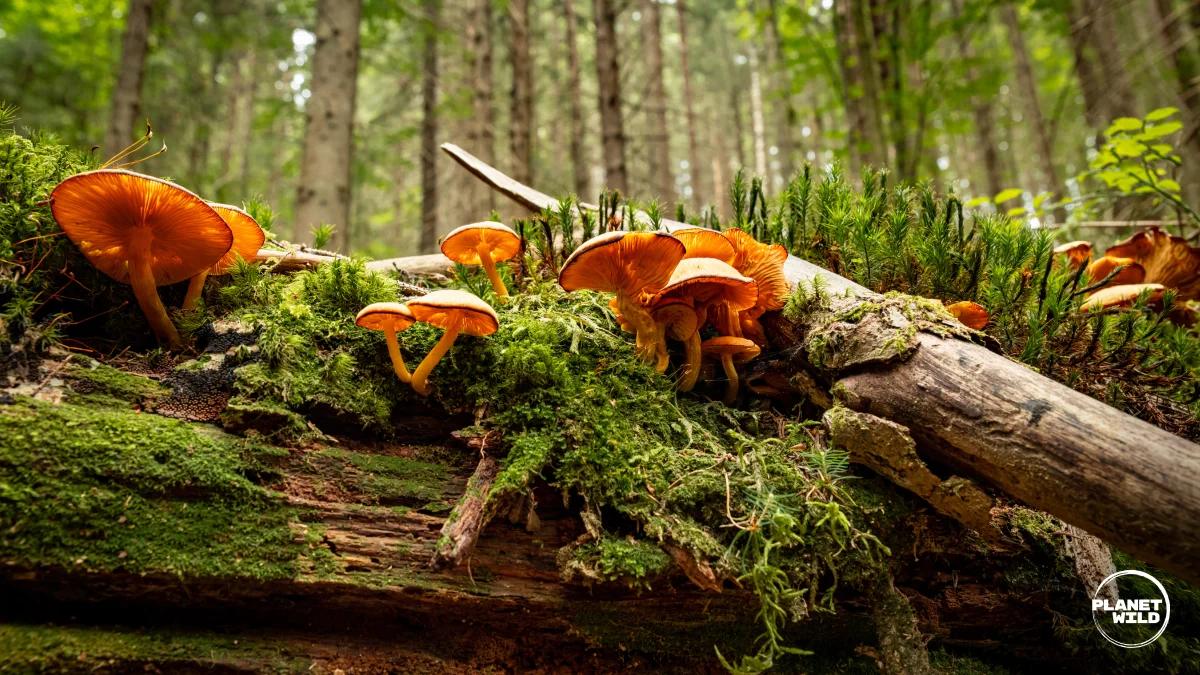
All life on earth is connected to an ecosystem, including us, which is then linked to a larger ecological biome. Biomes are regions of the world defined by their climate, plant species, and animals. Each biome contains thousands of different ecosystems.
What makes ecosystems so incredible is that each part is connected (either directly or indirectly) to every other organism. Even the largest predator is bound to the smallest microbe, as well as to the physical world around it. This means that even small changes can trigger a domino effect, disrupting the whole ecosystem and biome beyond.
7 unique ecosystems (and why they’re so important)
The IUCN Global Ecosystem Typology has outlined 110 major ecosystem functional groups (reefs, rainforests, deserts, etc) across 25 biomes and 4 core realms: Terrestrial, Marine, Freshwater, and Subterranean. Within these major ecosystem functional groups, there are smaller, more specialized ecosystems that have evolved in more mysterious corners of the planet.
Deep-sea hydrothermal vents
Thousands of meters below the ocean’s surface, towering hydrothermal vents continuously pump out superheated, mineral-rich water. Found along mid-ocean ridges, they are heated by magma deep beneath the seafloor and can reach scorching temperatures of around 400°C (750°F). Incredibly, the intense pressure keeps this water from boiling, creating what is essentially a hot spring on the ocean floor, surrounded by near-freezing seawater.
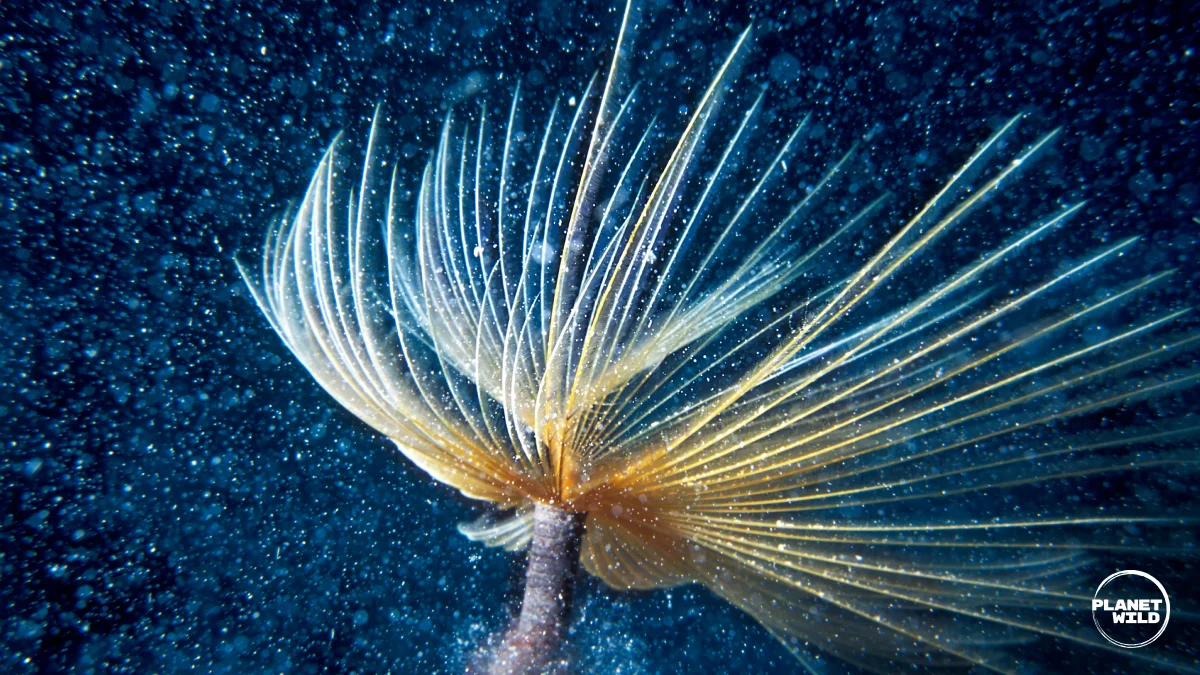
Even more astonishing is the explosion of life that thrives in such a harsh environment. When the first hydrothermal vents were discovered in 1977 near the Galápagos Islands, 2,500 meters (8,200 feet) underwater, scientists were stunned to find dense communities of giant tube worms, clams, and crabs living under crushing pressure and in total darkness, powered not by sunlight but by bacteria that turn the vents’ chemicals into energy.
The discovery and subsequent research into deep sea hydrothermal vents have led scientists to ponder whether it was there that all life on earth began, but it is still just a theory. Even at this incredible depth and pressure, hydrothermal vents are not immune from the long fingers of human interference.
Vents build mineral deposits called seafloor massive sulfides that are rich in copper, zinc, gold, and silver — materials that are very valuable. As a result, deep sea test mining has been carried out at some sites. Commercial deep-sea mining is an active international debate, with conservationists worrying it could wipe out vent communities that exist nowhere else on earth. But thankfully at present, hydrothermal vents are among some of the least disturbed ecosystems on the planet.
Cenotes
Once revered by Mayan peoples as sacred gateways to the underworld, cenotes are created when limestone bedrock collapses, exposing the groundwater beneath. Many cenotes are connected underground by huge flooded cave networks, including some of the longest underwater cave systems in the world.
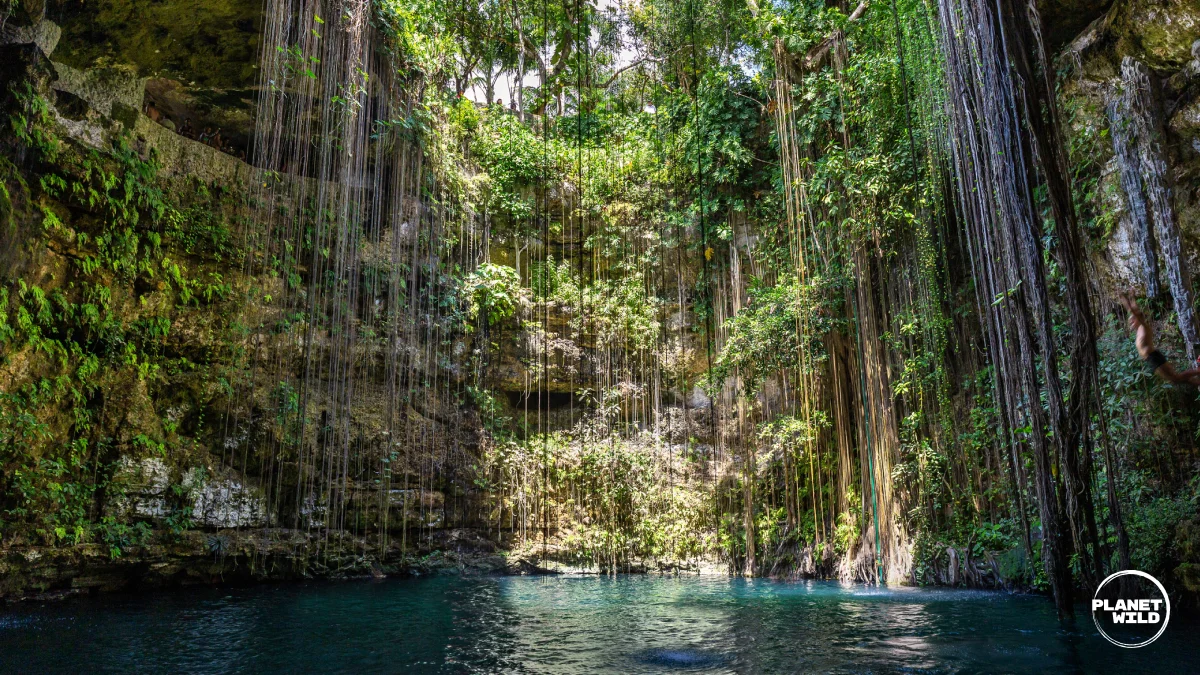
In Mexico’s Yucatán Peninsula, there are thousands of them, all home to millions of cave-dwelling animals such as shrimp, fish, and remipedes (primitive crustaceans), which live in the deepest zones. Many of these creatures are found nowhere else on earth. The Yucatán Blind Eel is one such species, which lives its entire life in pitch-black darkness, undergoing dramatic evolutionary changes known as troglomorphisms — meaning it is eyeless and lacks skin pigmentation.
Furthermore, cenotes are the visible openings to the giant aquifer that supplies nearly all the fresh water on the Yucatán Peninsula. The region has almost no surface rivers or lakes, so rain soaks straight into the limestone and collects in a vast underground reservoir. But the same porous limestone that makes this system so productive also leaves it exposed.
Water moves quickly through open channels with little natural filtering, so contaminants can spread far in a short time. Leaking septic systems and untreated wastewater, fertilizers and waste from large farms, and rapid tourism and development all put the aquifer at risk.
Protecting cenotes matters because not only are they home to irreplaceable ecosystems, but they supply the region’s drinking water and preserve centuries of Mayan history, all of which can be easily lost and hard to restore.
Sky islands
Some ecosystems depend almost entirely on temperature and altitude, and the best example is a phenomenon known as “sky islands.” Just as ocean islands are surrounded by water, these cool mountain peaks are surrounded by a “sea” of hot, dry lowlands. The plants and animals living at the top are adapted to the cooler climate and can’t survive in the warm valleys below, so they are effectively stranded, much like species on a true island.
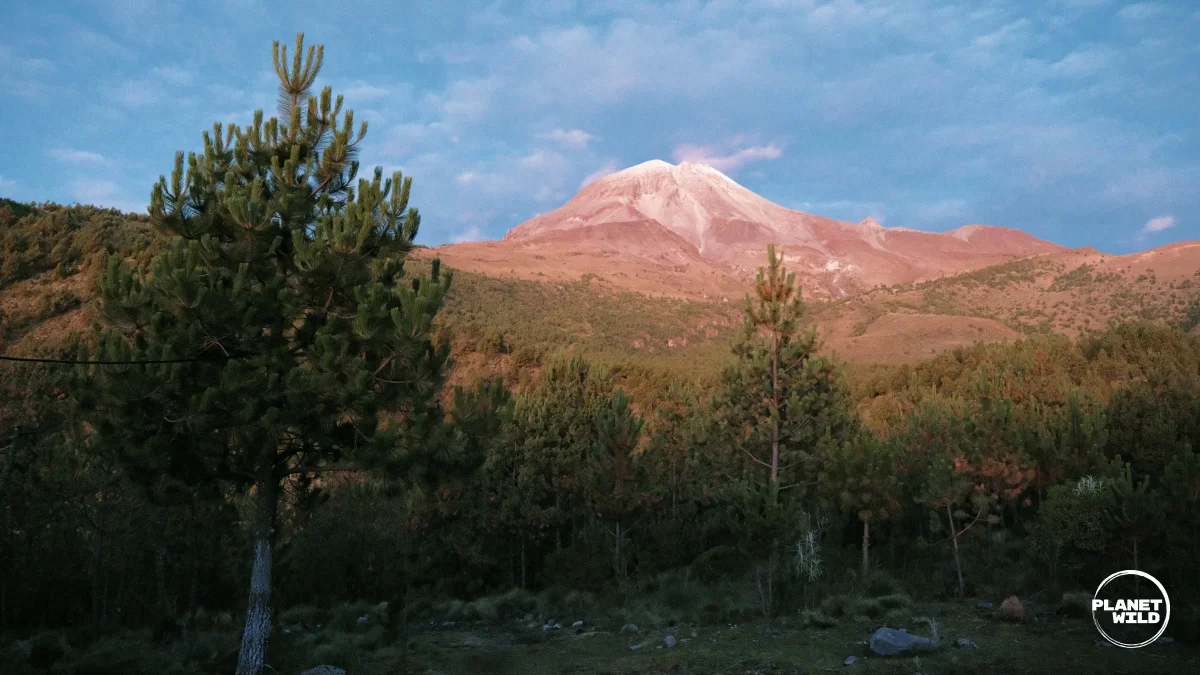
Over thousands of years, that isolation has produced unusual communities of plants and animals, many of them found nowhere else on Earth. Each peak is cut off from the others, so sky islands also act as natural laboratories for evolution, where scientists can watch how separated populations change over time. These islands are especially vulnerable to climate change. As temperatures rise, species can only move upslope, and once they reach the summit, there is nowhere left to go.
In our latest Planet Wild mission, we partnered with the Arbor Day Foundation and ReforestAcción to help rebuild the vital forestisland found on top of the country’s highest volcano, Pico de Orizaba.
In these harsh conditions, only a few tree species can survive. One of them is Hartweg’s Pine, also known as the “warrior tree.” With its thick bark, resin, and special antifreeze compounds found inside its cells, this tree species can withstand extreme climate conditions and thrives on peaks up to 4,500 meters.
Protecting species like the Hartweg’s Pine is key to protecting sky island ecosystems, since there are so few trees that can survive up there, losing even one species could unravel the entire community.
Whale falls
Some ecosystems are not supposed to last forever. Whale fall ecosystems are one such phenomenon. When whales die, their massive bodies sink to the bottom of the ocean, where it becomes a lifeline for species on the sea floor.
The first creatures to sniff out a fallen whale are usually hagfish and deep-sea sleeper sharks, which scavenge the ocean floor. Once the flesh has been devoured, other species move in to tackle what remains, including specialized bone-eating “zombie” worms and crustaceans.
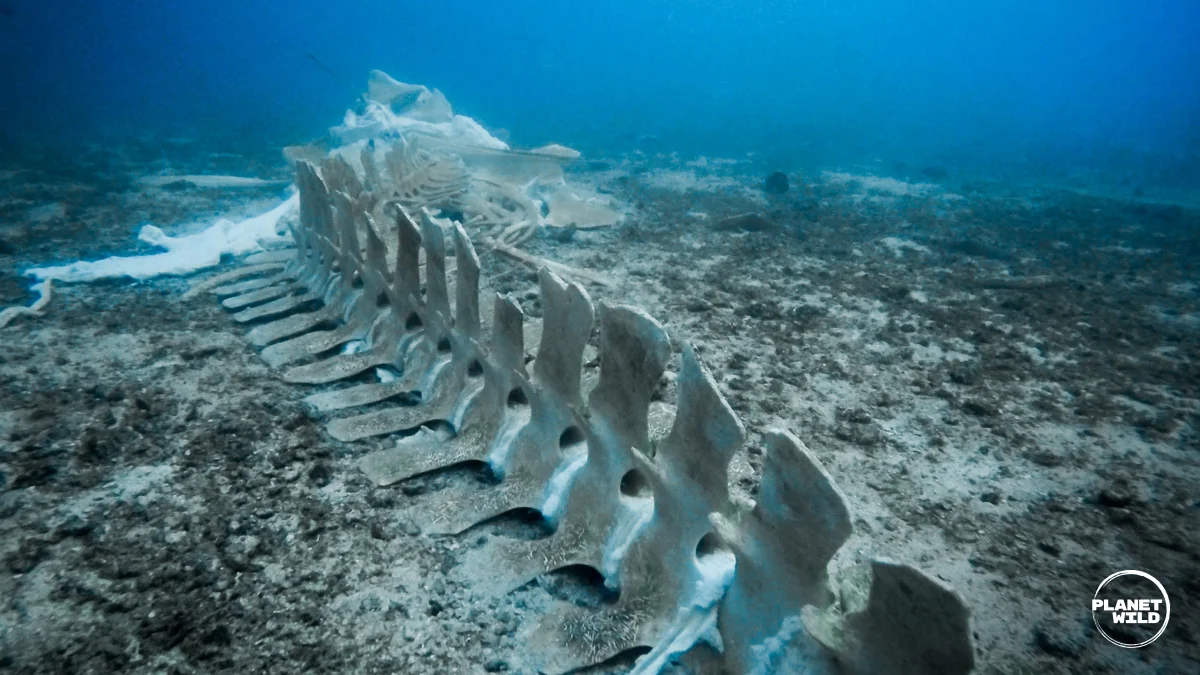
The bones also feed bacteria that break down the oils inside them, releasing hydrogen sulfide. This is the same chemical energy source that fuels the sulfur-loving bacteria, tubeworms, clams, and mussels at hydrothermal vents, so a whale fall can become a similar ecosystem and may serve as a stepping stone between habitats.
Most deep sea inhabitants survive on marine snow; particles of organic matter that float on the current, so a single fallen whale carcass is an oasis in the desert, and can sustain life for decades. However, commercial whaling in the mid-20th century reduced the abundance and size of whales, meaning far less whale fall ended up on the ocean floor. Today, some populations are slowly recovering, mostly due to a global ban on whale hunting which took effect in 1986.
Mangrove forests
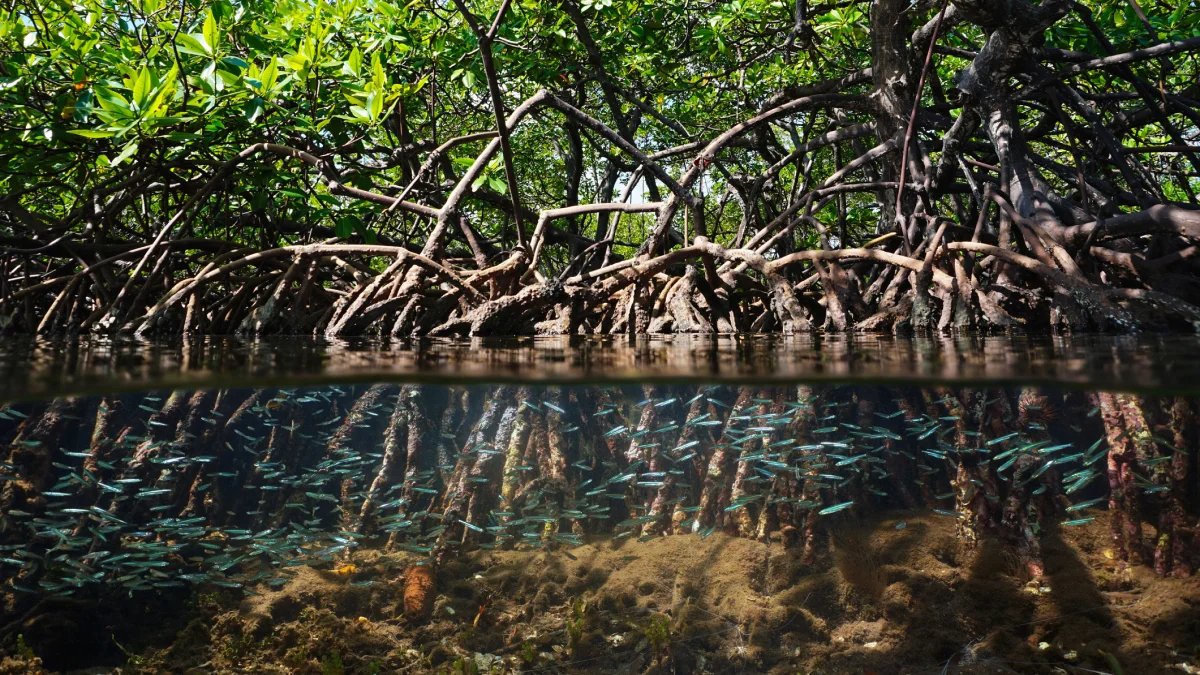
Mangroves are among the world’s most important marine ecosystems, because not only do they shelter coastal communities from storm surges and erosion, but they’re also nurseries for young fish. Their tangled roots slow incoming waves and trap sediment, which holds shorelines in place, while the maze of submerged roots gives juvenile fish, crabs, and shrimp a safe place to grow before they can head out to open water.
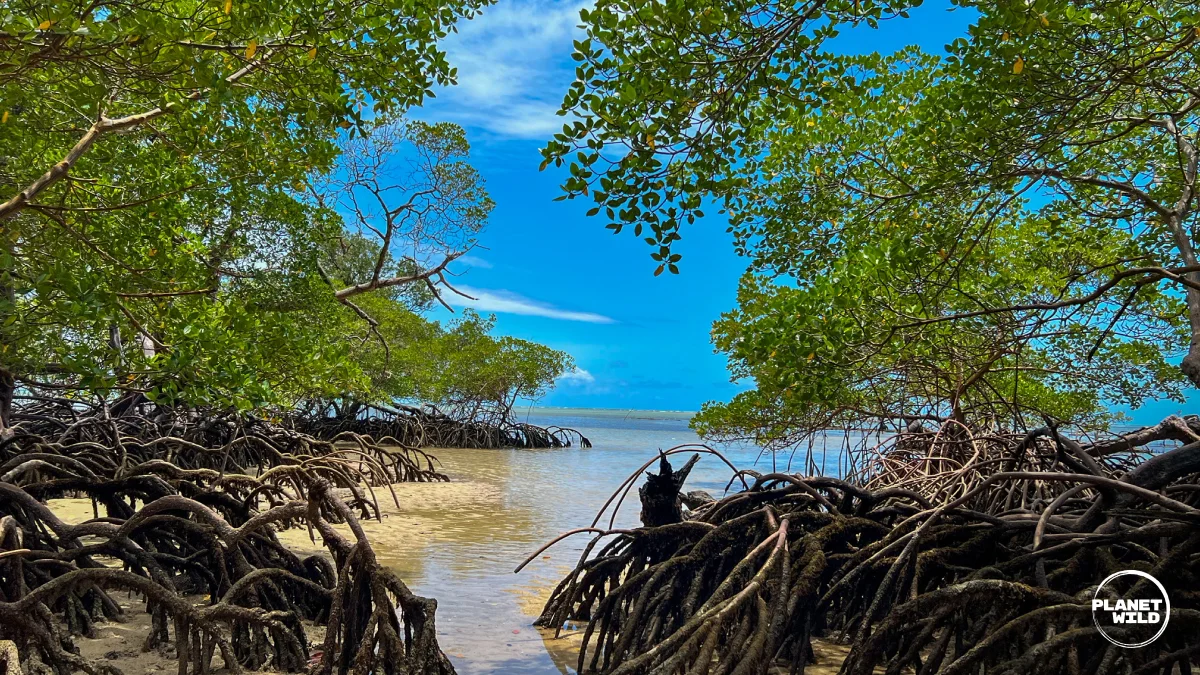
Mangroves are also powerful carbon stores: the waterlogged mud beneath them locks away huge amounts of carbon, often more per hectare than many forests. Unfortunately, the world has lost a significant share of its mangrove forests to shrimp farming, coastal development, and logging. Each time a patch is cleared, tons of stored carbon is released while also removing a natural storm barrier.
Therefore, protecting mangroves does several jobs at once: it protects the food supply and livelihoods of millions of people, defends coastlines as seas rise and storms intensify, and helps keep excess carbon from entering the atmosphere.
Pitcher plant communities
Let’s go even smaller, into an ecosystem you probably had no clue existed: pitcher plants. Their liquid-filled traps double as micro-habitats where specialized insects, larvae, and bacteria thrive together, digesting trapped prey and sharing nutrients in a miniature aquatic food web.
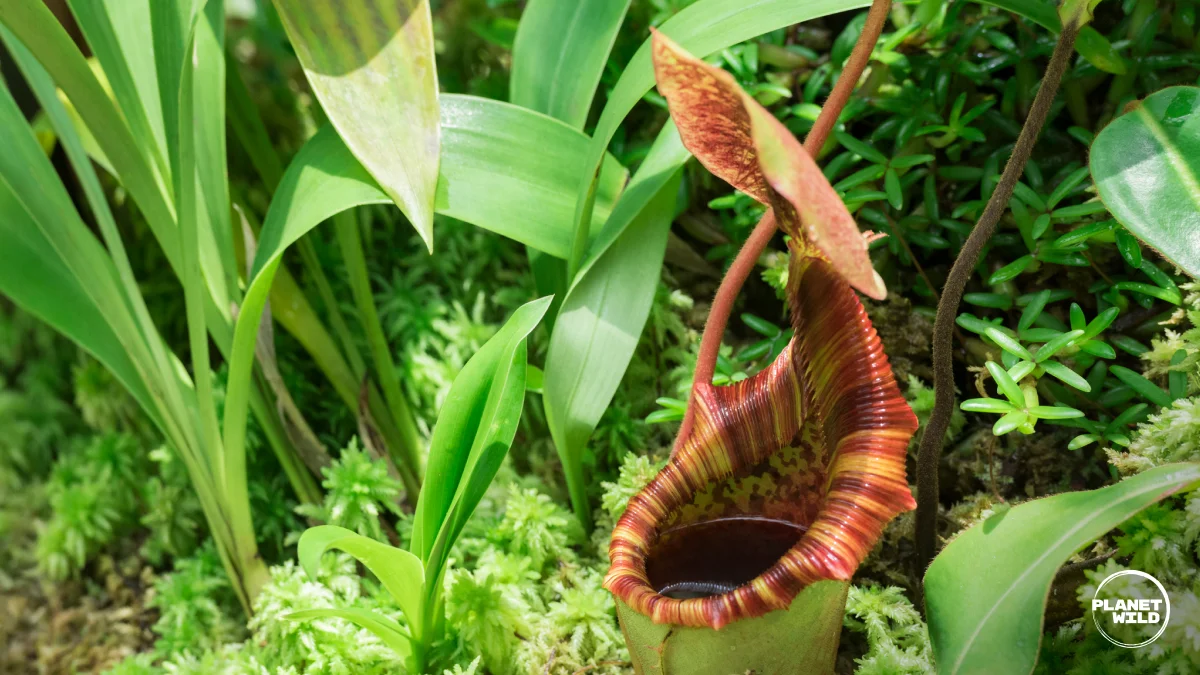
When an insect slips inside and drowns, flies and larvae shred the body into smaller pieces, and bacteria then break those pieces down into nutrients that the plant can absorb. In return, the plant provides the water, shelter, and a steady supply of food to the larvae.
As the whole community fits inside a single leaf, scientists use pitcher plants as model ecosystems to study how food webs form and respond to change. This is incredibly valuable, as what researchers learn from these miniature worlds helps explain how larger ecosystems stay stable, and how they might react to pressures like pollution and a warming climate. Pitcher plants also grow in rare bogs and wetlands, so protecting them means protecting the fragile habitats around them.
Peatlands
Peatlands are wetland ecosystems formed around peat, a soil made of partly decomposed plant material that builds up in permanently waterlogged ground. Without oxygen, microbes can’t break down dead plants, so the layers accumulate at about one centimeter per decade. The acidic water creates conditions only specialized species can survive: a single lowland bog can support more than 3,000 insect species, 800 flowering plants and hundreds of mosses, along with carnivorous sundews and larger animals like wolves and moose.
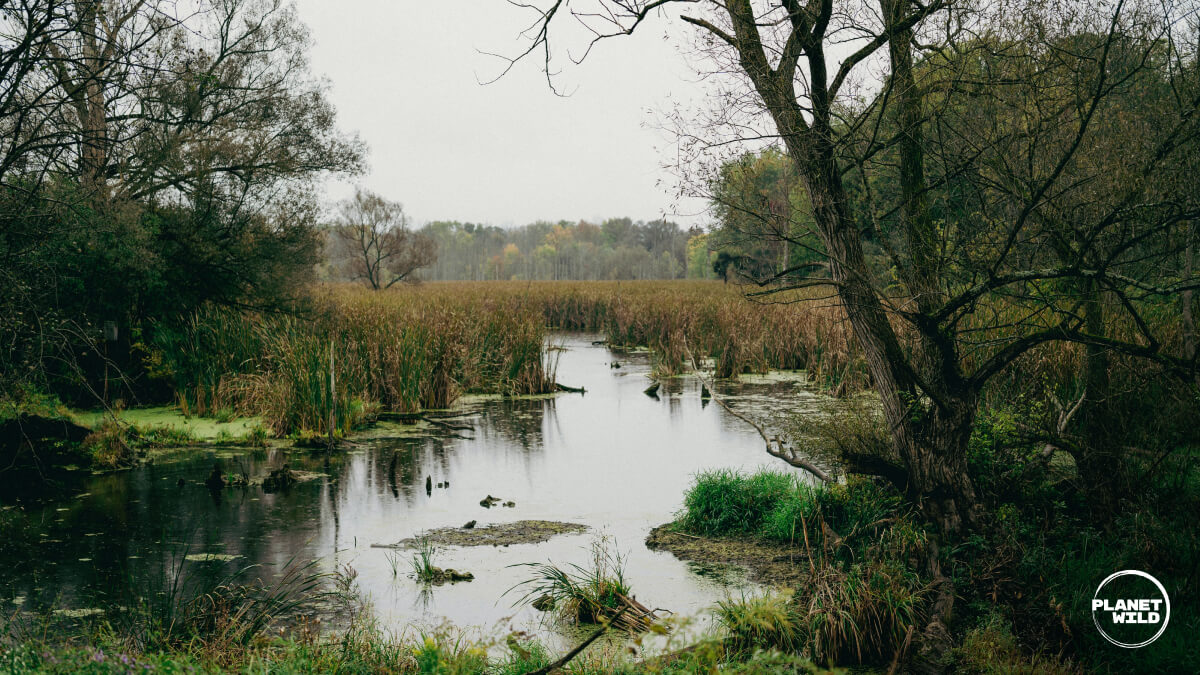
Although they cover less than 3-4% of the world’s land, peatlands store more carbon than all the world’s forests combined, and they act like a sponge, slowing floods and filtering pollution from water. Like mangroves, they release their stored carbon when destroyed. In fact, drained peatlands account for around 5% of human greenhouse gas emissions.
Can we restore lost ecosystems?
We are also part of an ecosystem, and many Indigenous peoples managed their lands sustainably for thousands of years, taking care to not overuse resources. As the human population has grown over generations, the demand for resources, food, land, and fuel have increased, which has set off a cascade of ecological problems in our quest to meet this demand. Ecosystems are dying all the time, so what can we do about it?
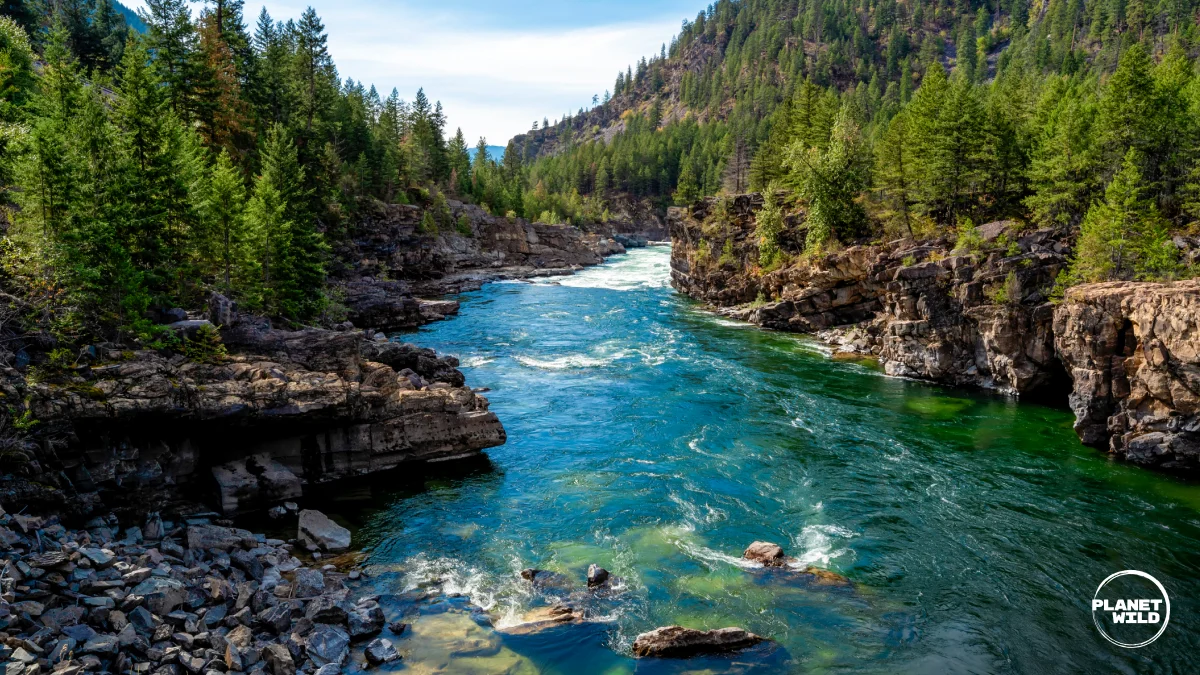
Restoring damaged ecosystems is no small undertaking. You may have heard the line “life finds a way” from Jurassic Park, and there is real truth in it — given the chance, the planet’s web of interconnected ecosystems can recover incredibly well, but before that can happen ecosystems need to be left alone.
Methods like replanting native trees, mangroves and seagrass, rewetting drained peatlands, and cutting pollution at its source help bring back degraded ecosystems, restoring the connected balance. Rewilding adds another approach, reintroducing missing species and letting natural processes take over. The most lasting projects involve local communities, and are looked after in the long term, so nature has the time to change the future.